Decoding Your Dog's Travel Anxiety and Sensory Overload
Learn to read your dog's body language during travel and adventures. Discover actionable tips to manage sensory overload and car anxiety on the road.

The Psychology of Canine Travel Stress
Embarking on a road trip or a rugged hiking adventure with your canine companion is a dream for many pet owners. However, what we perceive as a thrilling vacation can sometimes translate into a psychological minefield for our dogs. Understanding your dog's behavior during travel requires looking beyond simple obedience and diving into canine psychology, sensory processing, and vestibular function. When we load our dogs into the car and head for the mountains, we are subjecting them to rapid environmental shifts, intense olfactory stimulation, and physical confinement.
To truly master dog-friendly travel, we must first decode the silent signals our dogs emit when they are overwhelmed. This guide explores the root causes of travel anxiety, how to differentiate it from motion sickness, and actionable, science-backed protocols to ensure your adventures are enriching rather than exhausting.
Dogs are creatures of habit and territorial routine. Their psychological baseline is rooted in the familiar scents, sights, and sounds of their home environment. When you place a dog in a vehicle, you disrupt this baseline entirely. From a neurological perspective, the canine vestibular system—which controls balance and spatial orientation—is not naturally adapted to the passive, high-speed movement of a car. This sensory mismatch can cause profound disorientation, similar to human vertigo.
Furthermore, the psychological concept of 'learned helplessness' can develop if a dog is repeatedly forced into stressful travel situations without an avenue for escape or coping. According to the American Veterinary Medical Association (AVMA), ensuring physical safety and psychological comfort during transit is paramount to preventing long-term behavioral aversions to travel. If a dog associates the car solely with the stress of the veterinary clinic or the overwhelming stimuli of a crowded tourist trail, their cortisol levels will spike the moment they see the vehicle.
Recognizing Sensory Overload on the Trail
Once you arrive at your destination, the adventure begins. But a dog's experience of a new trail is vastly different from ours. While we take in the scenic vistas, our dogs are processing an overwhelming array of olfactory data. A single square inch of forest floor contains thousands of times more scent molecules than a human can comprehend. This intense sensory input can quickly lead to cognitive fatigue and sensory overload.
'A dog's nose is their primary lens for understanding the world. When we travel, we are essentially dropping them into a sensory hurricane without a map.' — Canine Behavioral Science Principle
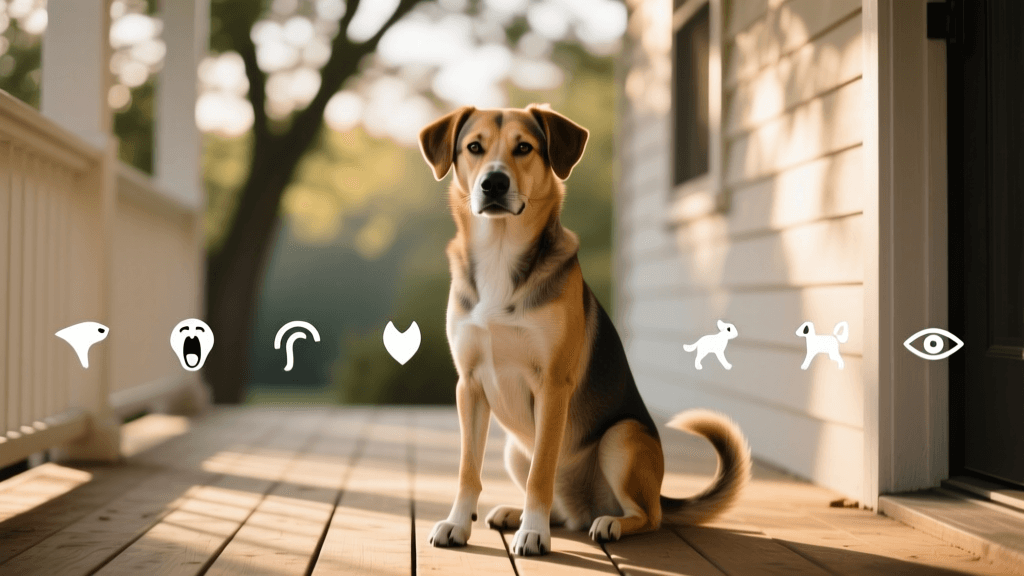
Recognizing the early signs of sensory overload is critical. According to experts in canine body language, as detailed by the American Kennel Club (AKC), dogs communicate stress through subtle 'calming signals' long before they resort to barking or reactivity.
- Whale Eye: When your dog turns their head away but keeps their eyes fixed on a stimulus, exposing the whites of their eyes, they are experiencing high anxiety.
- Displacement Behaviors: Sudden, out-of-context scratching, yawning when not tired, or aggressive lip licking are neurological attempts to self-soothe.
- The Freeze Response: A dog that suddenly stops walking and refuses to move forward is not necessarily being stubborn; they may be psychologically paralyzed by environmental overwhelm.
- Piloerection: Raised hackles along the spine indicate a surge in adrenaline and sympathetic nervous system arousal, not necessarily aggression.
Actionable Strategies for a Calmer Journey
Managing travel anxiety requires a combination of behavioral desensitization, environmental management, and the right gear. Here are specific, actionable protocols to implement before and during your trip.
1. The 14-Day Desensitization Protocol
Do not wait until the morning of your trip to introduce your dog to the car. Spend 14 days conducting micro-sessions to rebuild their psychological association with the vehicle.
- Days 1-3: Simply feed your dog their meals near the parked, turned-off car. Cost: $0. Time: 15 minutes per meal.
- Days 4-7: Place a high-value treat, such as a frozen Kong Classic ($15) stuffed with peanut butter, in the cargo area or back seat. Let them eat and exit freely.
- Days 8-11: Turn the engine on for 5 minutes while offering treats. Do not move the vehicle. This acclimates them to the vibration and sound.
- Days 12-14: Drive for exactly 3 minutes down the street, then return home and engage in a fun play session. This proves the car ride ends in a positive outcome.
2. Strategic Gear Investments
The right equipment provides physical security and psychological grounding. Investing in proper gear can drastically reduce your dog's travel stress.
- Sleepypod Clickit Sport Harness: Priced around $100 to $120, this crash-tested harness restricts excessive movement, which reduces vestibular confusion and provides deep pressure therapy that calms the nervous system.
- Calming Caps: For dogs highly triggered by visual stimuli (like passing cars or other trail users), a calming cap ($25) acts like blinders, reducing visual input by up to 70% and allowing the dog to rely on their handler's guidance.
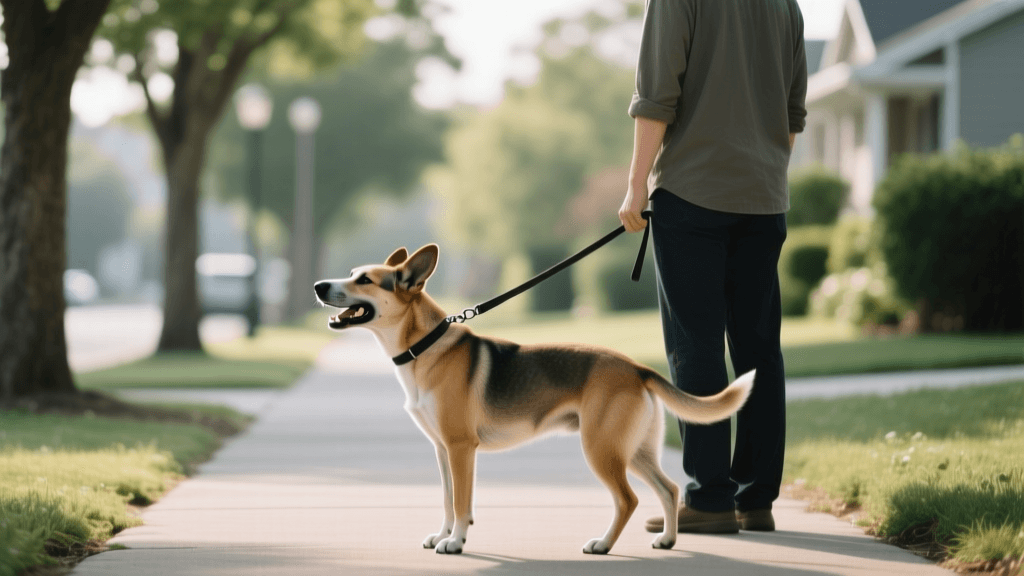
- Biothane Long Line (15-foot): Standard 6-foot leashes restrict a dog's ability to use distance as a coping mechanism. A 15-foot Biothane long line ($35) gives them the autonomy to sniff and decompress without the tension of a short leash.
Comparison Chart: Motion Sickness vs. Travel Anxiety
It is vital to distinguish between physiological motion sickness and psychological anxiety, as the treatments differ vastly. Use this comparison chart to diagnose your dog's primary stressor and consult your veterinarian for appropriate medical or behavioral interventions.
| Symptom | Motion Sickness (Physiological) | Travel Anxiety (Psychological) |
|---|---|---|
| Drooling | Thick, excessive, sudden onset | Light to moderate, stress-induced |
| Panting | Often accompanied by lethargy | Rapid, shallow, paired with pacing |
| Vomiting | Common, even on an empty stomach | Rare, unless extreme panic occurs |
| Posture | Hunched, hiding, lowered head | Tense muscles, tucked tail, trembling |
| Vocalization | Whimpering or quiet groaning | Whining, barking, or frantic panting |
| Resolution | Ends shortly after the car stops | Can linger for hours after arrival |
Managing the Campsite Environment
Setting up a 'safe zone' at your campsite or rental cabin is crucial for preventing chronic stress accumulation. Dogs need a designated retreat where they know they will not be approached by strangers or other animals.
Use a portable playpen (approx. $80-$120) or a familiar wire crate draped with a breathable blanket. Place an item that smells like home, such as an unwashed t-shirt or their primary dog bed, inside this space. This creates an olfactory anchor. When your dog retreats to this zone, enforce a strict 'no-touch, no-talk, no-eye-contact' rule for all human family members and visitors. This psychological boundary allows their nervous system to down-regulate after a day of intense trail stimulation.
The 'Decompression' Protocol at Your Destination
Arriving at your cabin or campsite is not the finish line; it is the beginning of your dog's acclimation process. Many owners make the mistake of immediately taking their dog on a rigorous 5-mile hike to 'burn off' the car ride. This is a recipe for behavioral fallout. Instead, implement a structured decompression protocol, as recommended by resources like the Humane Society of the United States for safe and stress-free pet travel.
A 'Sniffari' is a walk where the dog dictates the pace and direction, driven entirely by olfactory exploration rather than physical exercise. Sniffing lowers a dog's heart rate and engages the parasympathetic nervous system, which is responsible for 'rest and digest' functions.
- Timing: Allow for a minimum 20-minute Sniffari immediately upon arrival before unpacking the car.
- Equipment: Use the 15-foot long line and a well-fitted Y-front harness to prevent tracheal pressure.
- Environment: Choose a low-traffic, unmanicured area where your dog can process the new scents without the pressure of on-leash greetings with strange dogs.
Conclusion
By understanding the profound impact that travel has on your dog's sensory processing and psychological state, you transform from a mere pet owner into a skilled canine handler. Adventures should be mutually enriching. When we respect our dogs' thresholds, provide them with the right coping tools, and prioritize their mental decompression, the open road becomes a place of joy rather than anxiety. Pay attention to their body language, invest in their comfort, and watch your canine companion thrive in the great outdoors.
hannah-wickes
All our authors care for dogs every day — read more of their work on the authors page.