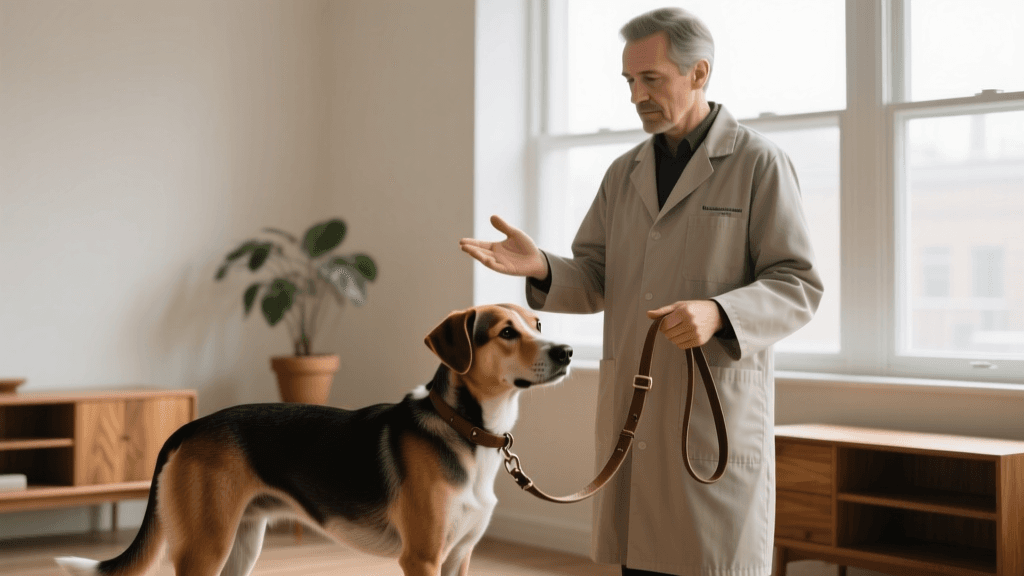
The Cost of Canine Reactivity: Budgeting for Behavioral Rehabilitation
Discover the true cost of managing canine reactivity. We break down expenses for behavioral training, enrichment tools, and management gear for your dog.

Understanding the Psychology of Canine Reactivity
Canine reactivity—characterized by barking, lunging, growling, or freezing in response to specific triggers like other dogs, strangers, or loud noises—is one of the most common behavioral challenges faced by pet owners. To effectively plan and budget for rehabilitation, owners must first understand the psychology driving the behavior. Reactivity is rarely rooted in malice; it is almost always a manifestation of fear, anxiety, or barrier frustration. When a dog feels trapped or overwhelmed, their sympathetic nervous system triggers a 'fight or flight' response, flooding their body with adrenaline and cortisol.
According to the American Kennel Club, leash reactivity is often exacerbated by the physical restriction of a leash, which removes the dog's ability to flee, leaving them feeling forced to defend themselves. Understanding this psychological baseline is critical for financial planning because true behavioral rehabilitation is not a quick fix. It requires a long-term investment in counter-conditioning, desensitization, and environmental management. Budgeting for a reactive dog means preparing for a marathon, not a sprint, and allocating funds toward professional guidance, specialized gear, and ongoing mental enrichment.
Phase 1: Professional Assessments and Training Costs
The first financial step in addressing reactivity is securing a proper diagnosis and behavior modification plan. Because underlying medical issues (such as hypothyroidism, chronic pain, or neurological imbalances) can drastically lower a dog's threshold for stress, a veterinary visit is mandatory before starting behavioral training. Once medical causes are ruled out, you will need to build a professional support team.
Comparing Professional Support Options
| Professional Type | Role in Reactivity Rehab | Estimated Cost (USD) |
|---|---|---|
| General Veterinarian | Medical rule-outs, baseline bloodwork, and basic anxiety medication prescriptions. | $150 - $350 (Initial Exam & Labs) |
| Certified Dog Trainer (CPDT-KA) | Teaching foundational skills, leash handling, and basic counter-conditioning protocols. | $90 - $150 per private session |
| Veterinary Behaviorist (DACVB) | Advanced psychopharmacology, severe aggression cases, and complex behavior modification plans. | $400 - $800 (Initial Consultation) |
For many reactive dogs, a combination of a certified trainer and a general veterinarian is sufficient. However, if your dog's reactivity crosses into severe aggression or is accompanied by self-harm or extreme panic, consulting a board-certified veterinary behaviorist is a vital investment. The ASPCA strongly recommends seeking professional help immediately if a dog exhibits aggressive behaviors, as DIY methods can inadvertently worsen fear-based responses and increase the risk of a bite incident.
The Cost of Psychopharmacology
Behavioral medications are not a 'cop-out'; they are a scientifically backed tool to lower a dog's baseline anxiety, allowing their brain to actually absorb the training you are paying for. Common medications like Fluoxetine (Prozac) or Trazodone typically cost between $20 and $60 per month through online pet pharmacies. Additionally, you may budget $30 to $50 monthly for clinical-strength calming supplements like Zylkene or Solliquin, which support neurotransmitter balance during the initial stages of rehabilitation.
Phase 2: Management Gear and Safety Equipment
Managing a reactive dog requires specialized equipment designed to maximize safety while minimizing physical discomfort. Standard flat collars and retractable leashes are dangerous for reactive dogs; a sudden lunge can cause severe tracheal damage to the dog and rope burns or dropped handles for the owner. Budgeting for high-quality, escape-proof gear is non-negotiable.
- Front-Clip or Dual-Clip Harness ($40 - $70): The Ruffwear Front Range or the Freedom No-Pull Harness are industry standards. They provide steering control without choking the dog, which is essential when guiding a reactive dog away from a trigger.
- Basket Muzzle ($25 - $45): Muzzle conditioning is a critical safety and liability measure. The Baskerville Ultra Muzzle is highly recommended because its ergonomic design allows the dog to pant, drink water, and receive high-value treats through the front grill, which is necessary for counter-conditioning exercises.
- Biothane Long Line ($30 - $60): A 10-foot to 15-foot Biothane leash provides a safe buffer zone. Unlike nylon, Biothane does not absorb water or odors, and it won't cause friction burns if the dog suddenly bolts.
- High-Value Treat Pouch ($20 - $35): A dedicated, easily accessible treat pouch (like the Ruffwear Treat Trader) ensures you can deliver rewards within the critical 0.5-second window required to change your dog's emotional response to a trigger.
Phase 3: Enrichment and Decompression Planning
Understanding your dog's neurology means recognizing the 'cortisol hangover.' After a reactive episode, it can take up to 72 hours for a dog's stress hormones to return to baseline. During this window, intense training should be paused. Instead, you must budget for alternative mental enrichment and 'decompression walks' (often called sniffaris) in low-traffic areas.
The RSPCA notes that allowing dogs to engage in natural sniffing behaviors significantly lowers their heart rate and provides immense mental stimulation. To facilitate this on days when outdoor walks are too triggering, you must invest in indoor enrichment tools:
- Snuffle Mats and Lick Mats ($15 - $30 each): These tools encourage foraging and licking, both of which release endorphins and naturally soothe the canine nervous system.
- Food Puzzles ($15 - $25): The KONG Classic or West Paw Toppl turn mealtime into a 20-minute cognitive workout, burning mental energy that might otherwise be directed toward hyper-vigilance at the front window.
- Calming Pheromones ($30 - $50): Adaptil Calm Collars or plug-in diffusers release synthetic dog-appeasing pheromones that can help create a secure baseline environment in your home.
The Hidden Costs of Ignoring Reactivity
Some owners attempt to 'wait out' reactivity, hoping the dog will simply grow out of it. Unfortunately, reactivity is a self-reinforcing behavior; every time the dog barks and the trigger moves away, the dog learns that aggression creates distance. The financial fallout of ignoring this behavior can be catastrophic.
Emergency and Liability Budgeting
| Hidden Cost Factor | Financial Impact | Prevention Strategy |
|---|---|---|
| Emergency Veterinary Bills | $1,500 - $5,000+ per incident (if a dog fight occurs due to leash snapping or poor recall). | Use escape-proof harnesses and strict muzzle conditioning. |
| Property Damage | $200 - $1,000 (destroyed doors, fences, or windows due to barrier frustration). | Implement window film, white noise machines, and indoor tie-downs. |
| Legal and Liability Fees | Variable (lawsuits, animal control fines, mandatory euthanasia hearings). | Proactive training, muzzle use in public, and comprehensive pet liability insurance. |
Planning Your Monthly Reactivity Budget
To make the financial burden manageable, it helps to break down the costs into a predictable monthly budget. While the first three months will be heavily front-loaded with professional consultations and gear purchases, the ongoing maintenance costs are much more predictable.
Sample Monthly Maintenance Budget for a Reactive Dog:
- Behavioral Medication / Supplements: $45
- High-Value Training Treats (Freeze-dried liver, chicken): $30
- Enrichment Consumables (Chews, puzzle stuffings): $40
- Private 'Sniffspot' Yard Rentals (for safe off-leash decompression): $60 ($15/week)
- Ongoing Trainer Check-ins (Bi-monthly): $75 (averaged monthly)
- Total Estimated Monthly Cost: ~$250
Conclusion
Living with and rehabilitating a reactive dog is a profound journey that tests your patience, empathy, and wallet. However, by understanding the psychological roots of your dog's behavior and proactively planning for the associated costs, you transform a chaotic, stressful experience into a structured, manageable project. Investing in professional guidance, high-quality safety gear, and daily mental enrichment not only protects your finances from emergency liabilities but, more importantly, gives your dog the opportunity to experience the world with confidence and peace. Budgeting for reactivity is ultimately an investment in the lifelong bond and mutual trust between you and your dog.
hannah-wickes
All our authors care for dogs every day — read more of their work on the authors page.