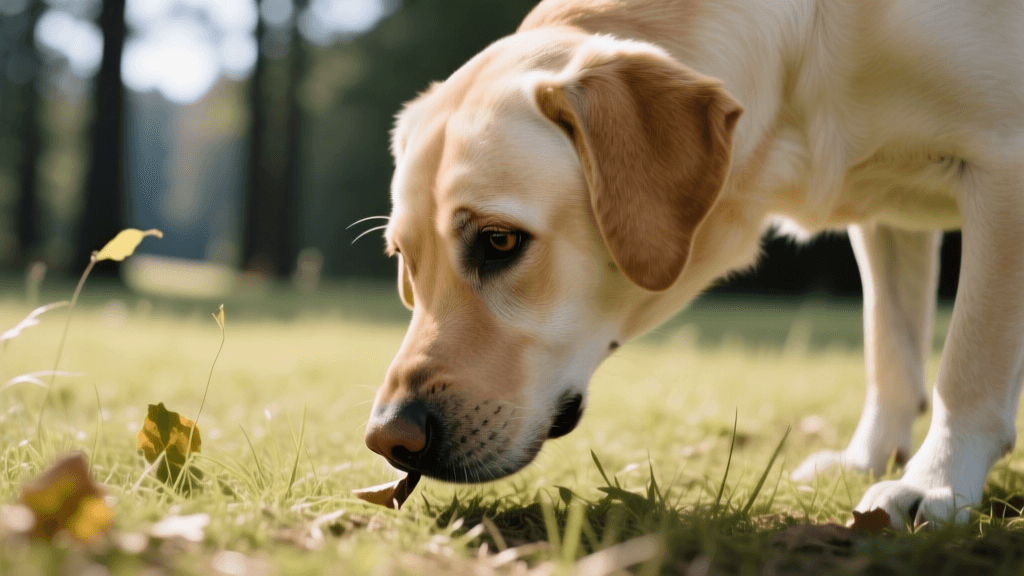
Decoding Dog Body Language: A Beginner's Tail and Ear Guide
Learn to decode dog body language with our beginner's handbook. Understand tail wags, ear positions, and canine signals to build a stronger bond.

Introduction: The Silent Language of Dogs
Welcome to the Complete Beginner's Handbook for Understanding Your Dog. Dogs do not speak English, but they are constantly talking. As a new dog owner, stepping into the world of canine communication can feel like trying to learn a foreign language without a dictionary. In this guide, we will strip away the guesswork and focus on two of the most expressive, yet frequently misunderstood, parts of your dog's anatomy: the tail and the ears. By the end of this handbook, you will possess the practical knowledge needed to read your dog's emotional state, prevent behavioral misunderstandings, and build a foundation of trust based on clear, two-way communication.
The Myth of the 'Happy' Tail Wag
The most pervasive myth in dog ownership is that a wagging tail automatically equals a happy dog. In reality, a tail wag simply indicates arousal or stimulation. That stimulation could be joy, but it could just as easily be fear, aggression, or intense focus. To truly understand what your dog is saying, you must evaluate three distinct metrics: the height of the tail, the speed of the wag, and the direction of the movement. According to the ASPCA's guide to canine body language, interpreting these signals in context is vital for preventing dog bites and reducing canine stress.
Tail Height and Stiffness
Think of the tail as an emotional barometer. A tail held high and stiff like a flagpole signals dominance, alertness, or potential aggression. The dog is asserting its presence and asking for space. Conversely, a tail tucked tightly between the legs indicates extreme fear, submission, or anxiety. A neutral, relaxed tail—which varies heavily by breed, such as the natural curl of a Pug or the low hang of a Greyhound—signals a calm and content state of mind.
Directional Wagging: The Brain Connection
Fascinating neurological research has revealed that the direction of a dog's tail wag is tied to brain hemisphere activity. A wag biased toward the right side of the dog's body is associated with positive emotions and the left brain hemisphere. A left-biased wag, controlled by the right brain hemisphere, is linked to negative emotions, anxiety, or withdrawal. While this subtle shift might be hard for a beginner to spot in real-time, noticing a stiff, rapid, right-sided wag versus a slow, sweeping, left-sided wag can give you crucial clues about how your dog feels about a new person or environment.
| Tail Position | Wag Speed & Style | Probable Emotional State | Beginner Action Plan |
|---|---|---|---|
| High and Stiff | Rapid, vibrating, or still | High arousal, alertness, potential aggression | Stop approaching. Give the dog at least 6 feet of space. Do not make direct eye contact. |
| Neutral / Relaxed | Loose, sweeping, 'helicopter' circles | Happy, relaxed, friendly | Safe to approach calmly. Offer a closed hand for sniffing at the dog's chest level. |
| Low or Tucked | Slow, hesitant, or completely still | Fearful, anxious, submissive, insecure | Remove the stressor. Speak in a soft, high-pitched voice. Do not force interaction. |
Decoding Ear Positions: The Radar Dishes
While the tail broadcasts broad emotional strokes, the ears provide the fine-tuned details of a dog's focus and comfort level. Dogs possess over a dozen muscles dedicated solely to ear movement, allowing them to act as radar dishes that swivel to capture sound and broadcast intention. However, reading ears requires an understanding of your specific dog's breed anatomy.
Pricked and Semi-Pricked Ears
For breeds with naturally pricked or semi-pricked ears (like German Shepherds, Huskies, or French Bulldogs), the baseline is upright. When these ears are pitched sharply forward, the dog is highly focused, curious, or potentially confrontational. If the ears are pinned flat against the skull, the dog is experiencing fear, stress, or preparing to defend itself. A relaxed, slightly outward-facing position indicates a calm and neutral mood.
Floppy and Drop Ears
Reading drop-eared breeds (like Basset Hounds, Golden Retrievers, or Cocker Spaniels) is notoriously tricky for beginners because gravity does half the work. The secret is to focus on the base of the ear where it attaches to the skull. Even on the floppiest of ears, the base muscles will tense and pull forward when the dog is alert or aggressive, and pull back tightly against the neck when the dog is fearful or submissive.
- Ears Forward & Tense: 'I am focused on that stimulus. I might investigate, or I might react.'
- Ears Relaxed & Neutral: 'I am comfortable in my environment. Everything is normal.'
- Ears Pinned Flat Back: 'I am terrified, stressed, or feeling socially submissive. Please give me space.'
- Asymmetrical Ears (One up, one down): 'I am confused or mildly uncertain about what I am hearing.'
What About Docked Tails?
Many breeds, such as Boxers, Pitbulls, and Australian Shepherds, often have docked tails or naturally short 'nub' tails. If your dog lacks a full tail, you must rely more heavily on the base of the tail, the hackles (the hair along the spine), and the ears. When a short-tailed dog is aroused or aggressive, the hair on their back and neck will stand up (piloerection), and the base of the nub will become rigid. Investing in a 15-foot biothane long-line (typically costing between $30 and $50) is highly recommended for beginners with short-tailed dogs, as it allows you to maintain safe distance and control while observing these subtle body shifts in open environments.
Putting It Together: The Whole Dog Picture
A critical rule in our Beginner's Handbook is to never read a single body part in isolation. A dog might have a tucked tail because it is cold, or pinned ears because it is windy. You must look at the whole dog picture. Combine ear and tail signals with other micro-expressions like 'whale eye' (showing the whites of the eyes), lip licking when no food is present, or sudden yawning. The Humane Society of the United States emphasizes that calming signals—like yawning, sniffing the ground, or turning away—are a dog's way of diffusing tension and communicating peaceful intentions. If your dog turns their head away from you while licking their lips, they are not ignoring you; they are politely asking for a break from the current interaction.
Actionable Scenarios for Beginners
How do you apply this in daily life? Let us look at two common beginner scenarios.
Scenario 1: Meeting a New Dog at the Park
You see a dog with a tail wagging at mid-height, but the ears are pinned back and the dog is avoiding eye contact. Despite the wag, this dog is nervous. Action: Instruct the owner to give the dog space, and do not reach over the dog's head to pet it. Instead, stand sideways, avoid direct eye contact, and let the dog initiate any sniffing.
Scenario 2: Your Dog Meets a Delivery Driver
Your dog's tail goes rigid and high, ears pitch forward, and a low rumble starts in the chest. Action: Immediately create distance. Do not yell at the dog, as this adds chaotic energy to an already tense situation. Calmly call the dog to you, reward them for disengaging within 2 seconds using high-value treats like freeze-dried liver, and manage the environment by closing the blinds or moving to another room.
'Understanding your dog's body language is the single most important tool in preventing dog bites and behavioral issues. When we learn to listen to their whispers, we never have to hear them shout.'
— Applied Animal Behaviorists
Conclusion: Practice Makes Perfect
Decoding canine body language is a skill that takes time to master. As a core principle of our Beginner's Handbooks, we recommend spending just 10 minutes a day simply observing your dog in different environments. Watch how their ears react to the sound of a treat bag versus the doorbell. Notice how their tail carriage changes when they greet a family member versus a stranger. By paying attention to these silent signals, you will transform from a confused novice into a confident, empathetic dog owner, ensuring a lifetime of harmony and mutual understanding with your canine companion.
beth-carrasco
All our authors care for dogs every day — read more of their work on the authors page.