Understanding Winter Dog Depression and Seasonal Behavior
Learn how shorter winter days affect your dog's psychology, recognize signs of canine seasonal depression, and discover actionable indoor activities.
The Psychology of Canine Seasonal Affective Disorder
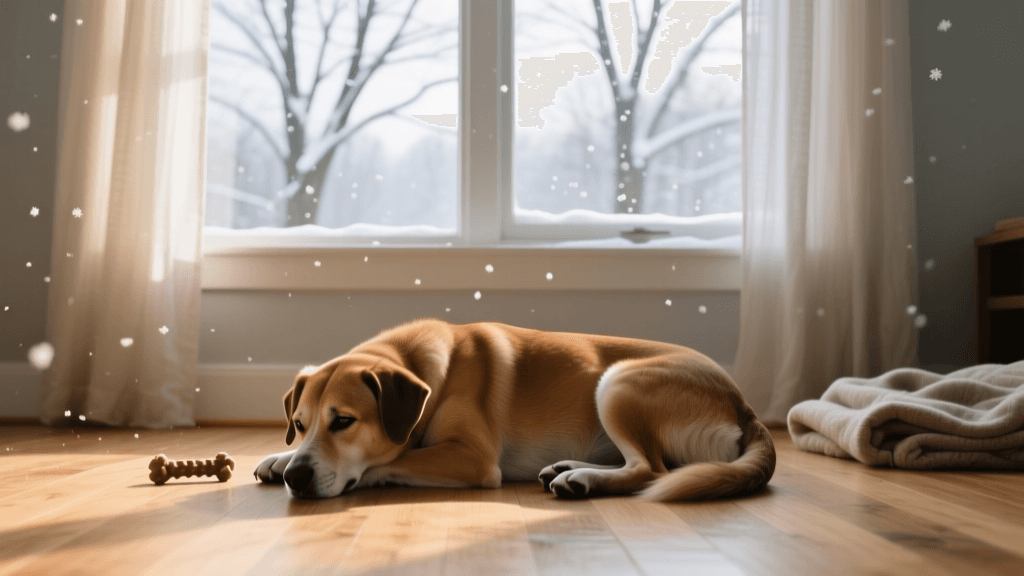
As the days grow shorter and temperatures plummet, many dog owners notice a distinct shift in their pet's behavior. While we often attribute these changes to the cold weather, the underlying cause is deeply rooted in canine psychology and neurobiology. Just like humans, dogs can experience Seasonal Affective Disorder (SAD), a type of depression related to changes in seasons. Understanding the psychological and instinctual shifts your dog undergoes during the winter months is crucial for maintaining their mental well-being and preventing behavioral regression.
The Science of Photoperiodism in Dogs
Dogs are highly sensitive to photoperiodism—the physiological reaction to the length of day and night. The canine pineal gland regulates the production of melatonin, a hormone that dictates sleep-wake cycles. During the winter, decreased exposure to natural sunlight triggers an overproduction of melatonin, leading to increased lethargy and extended sleep cycles. Simultaneously, the lack of sunlight causes a drop in serotonin, the neurotransmitter responsible for mood regulation. According to experts at Fear Free Happy Homes, this neurochemical imbalance can manifest as anxiety, irritability, and a noticeable decrease in your dog's enthusiasm for play and training.
Recognizing the Signs of Winter Behavioral Shifts
Because dogs cannot verbalize their emotional state, winter depression often manifests through subtle behavioral changes. Owners must be vigilant for the following psychological and behavioral symptoms:
- Excessive Lethargy: Sleeping significantly more than the standard 12-14 hours a day and showing reluctance to wake up for meals or walks.
- Clinginess and Separation Anxiety: A sudden increase in shadowing behavior, whining when left alone, or destructive behaviors stemming from winter-induced anxiety.
- House Soiling Regression: Previously house-trained dogs may have accidents indoors, often due to a combination of depression and a reluctance to go outside in the cold.
- Leash Reactivity: Irritability caused by serotonin depletion can lower a dog's threshold for stress, resulting in barking or lunging at stimuli they normally ignore.
- Decreased Appetite: A general disinterest in food or treats that normally elicit a strong positive response.
The Impact of Snow on Canine Instincts and Prey Drive
Winter weather doesn't just affect a dog's neurochemistry; it profoundly disrupts their primary way of interacting with the world: their sense of smell. Snow and ice act as a physical barrier, masking the scent markers left by other animals. For a dog, a snow-covered yard is akin to a human waking up blindfolded. This sensory deprivation can lead to olfactory fatigue and frustration.
Furthermore, the visual contrast of white snow can trigger heightened prey drive in certain breeds. Small, dark-colored animals like squirrels or rabbits stand out sharply against the snow, which can cause a sudden spike in a dog's instinctual chasing behaviors. Managing this requires structured, alternative outlets for their predatory sequence (search, stalk, chase, bite, dissect, consume) within the safety of your home.
Actionable Winter Enrichment Activities
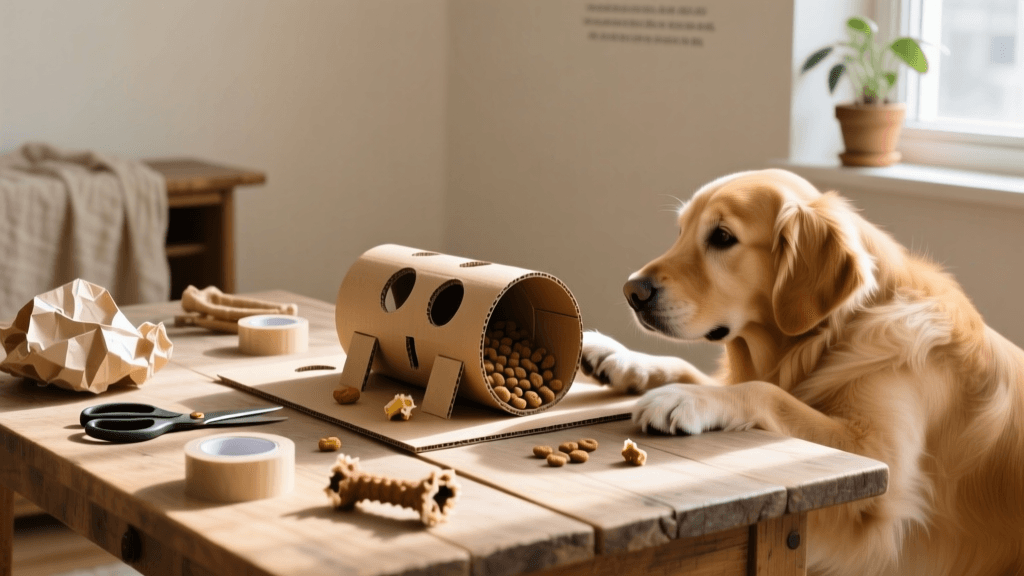
To combat winter SAD and sensory deprivation, you must replace physical outdoor exercise with high-intensity cognitive enrichment. Mental stimulation burns as much energy as physical exercise and naturally boosts serotonin levels. Below is a structured matrix of winter indoor activities designed to engage your dog's brain and satisfy their breed-specific instincts.
| Activity Type | Product / Method Example | Est. Cost | Daily Time | Cognitive Load |
|---|---|---|---|---|
| Foraging | Wool Snuffle Mat | $20 - $35 | 15 mins | High |
| Puzzle Solving | Nina Ottosson Dog Brick | $15 - $25 | 20 mins | High |
| Scent Tracking | Indoor Hide & Seek (Birch Oil) | $10 (Oil Kit) | 15 mins | Medium-High |
| Prey Drive Outlet | Indoor Flirt Pole | $25 - $40 | 10 mins | Medium |
| Agility / Proprioception | DIY PVC Jumps & Mats | $30 - $50 | 20 mins | Medium |
Implementing Indoor Scent Work
To compensate for the scent-masking effects of snow, introduce indoor nose work. Purchase a basic canine scent work kit featuring birch, anise, or clove essential oils. Place a single drop of oil on a cotton swab, hide it in a cardboard box or under a plastic cup, and encourage your dog to 'find it.' This taps directly into their natural hunting instincts and provides immense psychological satisfaction, effectively combating the frustration of a 'frozen' outdoor environment.
Light Therapy and Environmental Adjustments
Just as light therapy is a primary treatment for human SAD, it can be highly effective for canines. The goal is to suppress the excess melatonin production triggered by dark winter mornings. When selecting a SAD lamp for your dog, look for a device that emits 10,000 LUX of full-spectrum light.
Application Protocol:
- Placement: Position the lamp approximately 24 to 36 inches away from your dog's primary morning resting spot. Never point it directly into their eyes.
- Timing: Turn the lamp on for 30 to 45 minutes every morning, ideally between 7:00 AM and 9:00 AM, to help reset their circadian rhythm.
- Environment: Keep the room well-lit and open blinds during the few hours of peak daylight to maximize natural photon exposure.
According to the American Kennel Club (AKC), combining light therapy with morning indoor training sessions can significantly improve a dog's mood and responsiveness during the darkest months of the year.
Adjusting Your Walking Routine for Winter Instincts
While outdoor walks may be shorter due to freezing temperatures, they must remain psychologically enriching. Avoid the temptation to rush your dog through their bathroom breaks. Instead, practice 'decompression walks' in cleared areas. Allow your dog to sniff a single patch of exposed grass or a tree trunk for as long as they desire. The ASPCA Dog Behavior resources emphasize that allowing a dog to process complex olfactory information reduces cortisol levels and mitigates the stress of environmental changes.
If the weather is too severe for outdoor walks, replicate the decompression walk indoors by scattering your dog's daily kibble across a large room or using a snuffle mat, forcing them to use their nose to 'hunt' for their meal.
When to Consult a Veterinary Behaviorist
While mild winter lethargy is normal, severe behavioral changes should not be ignored. If your dog exhibits extreme aggression, complete refusal to eat, or self-mutilation (such as excessive paw licking or tail chasing), these are signs of profound psychological distress that go beyond standard seasonal shifts. In these cases, consult a certified veterinary behaviorist. They can rule out underlying medical conditions, such as hypothyroidism—which is common in dogs and can mimic SAD symptoms—and discuss whether short-term anti-anxiety medications or specialized behavioral modification plans are necessary to help your dog navigate the winter months safely and happily.
marcus-aldridge
All our authors care for dogs every day — read more of their work on the authors page.