Understanding Your Dog's Winter Blues and Seasonal Behavior Shifts
Discover why your dog experiences winter blues, seasonal lethargy, and behavioral shifts. Learn actionable indoor enrichment and care tips.
The Science Behind Canine Seasonal Affective Disorder (SAD)
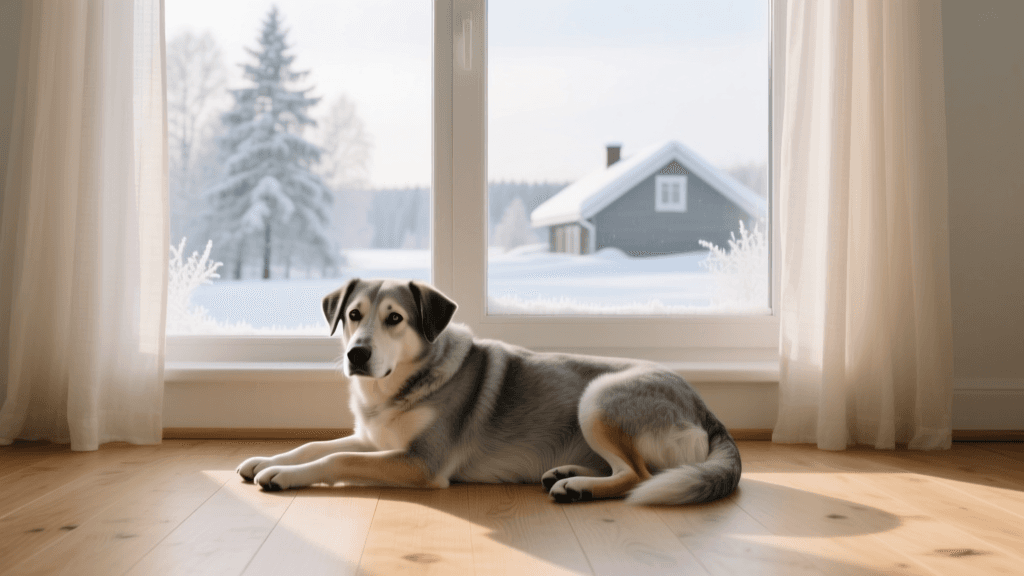
As the days grow shorter and temperatures plummet, many dog owners notice a distinct shift in their pet's behavior. The once-energetic pup who eagerly bounded out the door for morning walks now seems reluctant to leave their bed. While it is easy to dismiss this as simple laziness, canine psychology and biology tell a different story. Dogs, much like humans, can experience a phenomenon akin to Seasonal Affective Disorder (SAD), commonly referred to as the 'winter blues.'
To truly understand your dog's seasonal behavior shifts, we must look at their endocrine system and evolutionary history. The primary culprit behind winter lethargy is the disruption of the circadian rhythm. Reduced exposure to natural sunlight leads to an overproduction of melatonin (the hormone responsible for sleep) and a decrease in serotonin (the neurotransmitter that regulates mood and happiness). According to VCA Animal Hospitals, behavioral changes in dogs, including lethargy and diminished interest in activities, can be directly linked to environmental and chemical shifts within the brain.
From an evolutionary standpoint, winter lethargy is also a survival mechanism. Wild canids historically conserved energy during the colder, scarcer months to maintain their core body temperature and survive when prey was less abundant. While your domestic dog doesn't need to hunt for their dinner, these deep-seated genetic instincts still whisper to their biology to slow down, rest, and conserve calories when the environment signals winter.
Recognizing the Signs of Winter Lethargy
Understanding your dog requires keen observation of their baseline behavior. Because dogs cannot verbally communicate their feelings of malaise, they express seasonal depression through body language and daily habits. Watch for the following behavioral indicators:
- Excessive Sleeping: While dogs naturally sleep 12 to 14 hours a day, a dog with the winter blues may sleep up to 18 hours or struggle to wake up for meals.
- Clinginess and Separation Anxiety: A decrease in serotonin can make dogs feel insecure, leading to velcro-dog behavior, whining when you leave the room, or destructive behavior born of anxiety.
- Diminished Play Drive: Toys that usually elicit a high-prey-drive response are ignored. The dog may look at a thrown ball and simply lay their head back down.
- Increased Appetite and Weight Gain: Driven by the evolutionary instinct to build winter fat reserves, dogs may beg more frequently or show increased food motivation.
- Reactivity on Walks: Frustration and pent-up mental energy from shortened winter walks can manifest as leash reactivity or barking at familiar stimuli.
Practical Winter Care: Lighting and Environment
Combating the winter blues begins with environmental manipulation. Since the root cause of SAD is a lack of sunlight, introducing light therapy can profoundly impact your dog's mood and energy levels.
Implementing Canine Light Therapy
Light therapy involves using a specialized SAD (Seasonal Affective Disorder) lamp to simulate natural sunlight, which halts melatonin production and boosts serotonin. When shopping for a SAD lamp, look for one that emits 10,000 lux of brightness and filters out harmful UV rays. These lamps typically cost between $30 and $50 at most pharmacies or online retailers.
How to use it safely:
- Place the lamp on a stable surface about 3 to 4 feet away from your dog's primary resting area or feeding station.
- Turn it on for 30 to 45 minutes each morning, ideally during their breakfast or morning indoor play session.
- Never force your dog to stare directly into the light, and ensure they have the freedom to move away if they feel too warm or overstimulated.
Thermal Comfort and Joint Support
Cold drafts and dropping barometric pressures can exacerbate underlying joint stiffness, making a dog appear psychologically lethargic when they are actually experiencing physical discomfort. Investing in an orthopedic dog bed with memory foam (such as the Big Barker or Furhaven orthopedic lines, ranging from $40 to $250+ depending on size) provides crucial insulation from cold floors and supports aging joints.
Indoor Enrichment: Satisfying Breed Instincts Inside
When outdoor activities are curtailed by ice, snow, or freezing rain, mental stimulation must replace physical exertion. A widely accepted rule of thumb in canine psychology is that 15 minutes of intense mental enrichment is equivalent to 30 minutes of physical exercise in terms of caloric burn and fatigue. The American Kennel Club (AKC) highly recommends indoor games to keep dogs engaged and prevent the behavioral degradation associated with boredom.
1. Foraging and Snuffle Mats
Tapping into a dog's natural scavenging instinct is an excellent way to boost their mood. A snuffle mat mimics the experience of foraging for food in tall grass. The Paw5 Wooly Snuffle Mat (retailing around $45) is a highly durable, machine-washable option. By hiding your dog's daily kibble allowance within the fabric strips, you force them to use their olfactory senses, which releases dopamine and provides a deep sense of satisfaction.
2. Lick Mats for Anxiety Reduction
The physical act of licking releases endorphins in a dog's brain, acting as a natural self-soothing mechanism. Spread a lick mat (like the Hyper Pet IQ Treat Mat, approx. $12) with plain pumpkin puree, dog-safe peanut butter, or plain Greek yogurt, and freeze it for two hours. This provides a long-lasting, calming activity that is particularly useful during loud winter storms or when the dog is exhibiting clingy, anxious behaviors.
3. Indoor Scent Work Courses
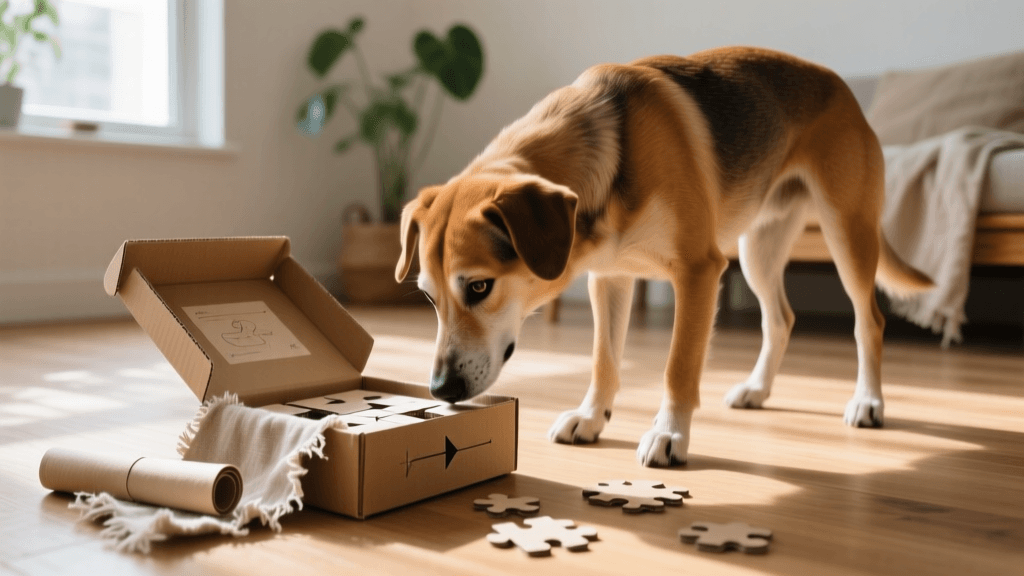
Scent work is arguably the most tiring mental exercise you can provide. Start by hiding high-value treats (like freeze-dried liver) in easy-to-find spots around the living room while your dog is in a 'stay' position. Gradually increase the difficulty by hiding treats under rugs, behind table legs, or inside empty cardboard boxes. This satisfies the tracking instincts of hounds and retrievers without requiring them to step foot in the freezing cold.
Seasonal Comparison: Winter vs. Summer Behavioral Needs
Understanding your dog means adapting your care to their shifting seasonal requirements. The table below outlines how your approach to canine psychology and enrichment should pivot between the extremes of summer and winter.
| Feature | Winter Behavioral Needs | Summer Behavioral Needs |
|---|---|---|
| Primary Energy Outlet | Indoor mental enrichment, scent work, puzzle toys. | Outdoor physical exercise, swimming, fetch, hiking. |
| Mood Regulation | Light therapy, increased indoor social interaction. | Shade access, cooling mats, hydration stations. |
| Instinctual Focus | Foraging, scavenging, denning (nesting in beds). | Tracking, exploring, territorial patrolling. |
| Common Behavioral Risks | Lethargy, separation anxiety, weight gain, reactivity. | Heat exhaustion irritability, prey drive spikes, noise phobias (thunderstorms). |
| Daily Caloric Adjustment | Monitor closely; reduce by 10% if activity drops significantly. | May require slight increase if engaging in high-output outdoor sports. |
Medical vs. Psychological: When to Consult a Vet
While the winter blues are a recognized psychological phenomenon, it is critical not to assume that all winter lethargy is purely behavioral. As noted in the ASPCA's winter pet care guidelines, cold weather can mask or exacerbate serious medical conditions.
Before implementing a behavioral enrichment plan, rule out the following medical issues with your veterinarian:
- Hypothyroidism: This endocrine disorder causes sluggishness, weight gain, and a reluctance to tolerate cold temperatures. It is highly prevalent in breeds like Golden Retrievers, Dobermans, and Cocker Spaniels.
- Osteoarthritis: Cold, damp weather causes joint fluid to thicken and barometric pressure drops to inflame joint capsules. A dog who refuses to go for a walk may not be depressed; they may be in pain. Your vet may recommend winter-specific NSAIDs or joint supplements containing Glucosamine and Chondroitin.
- Vitamin D Deficiency: Just like humans, dogs synthesize Vitamin D through sunlight exposure. A deficiency can lead to muscle weakness and a depressed immune system.
"Dogs are deeply attuned to their environment and the emotional states of their owners. If you are experiencing your own winter blues, your dog will likely mirror that low energy. Maintaining a cheerful, structured, and enriched indoor routine is just as vital for your mental health as it is for theirs."
Conclusion
Understanding your dog's winter blues requires a blend of empathy, biological awareness, and proactive seasonal care. By recognizing the signs of seasonal lethargy, investing in environmental adjustments like 10,000 lux light therapy, and replacing lost outdoor mileage with rigorous indoor scent work and foraging, you can help your dog maintain a balanced, happy psychological state year-round. Remember to always consult your veterinarian to rule out underlying medical conditions, ensuring that your winter care strategy is both safe and deeply effective.
anouk-beaumont
All our authors care for dogs every day — read more of their work on the authors page.