Decoding Canine Calming Signals in 2026: Multi-Dog Guide
Learn to decode canine calming signals in 2026 for stress-free multi-dog introductions. Master body language and build a peaceful household today.
The Evolution of Canine Communication in Multi-Dog Homes
Living with multiple dogs in 2026 offers immense joy, companionship, and a dynamic household environment. However, it also requires a sophisticated understanding of canine communication. As our homes become more complex environments with smart devices, remote work routines, and varied pet enrichment schedules, the ability to read and respond to your dog's subtle body language has never been more critical. At the heart of this silent language are 'calming signals'—a repertoire of visual cues dogs use to de-escalate tension, self-soothe, and maintain social harmony.
Originally popularized by Norwegian canine behaviorist Turid Rugaas, the concept of calming signals has evolved significantly. In 2026, veterinary behaviorists and force-free trainers emphasize that these signals are not merely signs of 'fear,' but rather proactive tools dogs use to prevent conflict before it begins. Understanding these signals is the ultimate key to successful multi-dog introductions, peaceful cohabitation, and a deeply bonded relationship with your pets.
What Are Canine Calming Signals?
Calming signals are innate, universal behaviors that dogs use to communicate peaceful intentions. In the wild and in our living rooms, canines rely on these signals to avoid physical altercations, which are costly and dangerous to their survival. When a dog feels overwhelmed, confused, or threatened by another dog (or a human), they will deploy these signals to say, 'I am not a threat, and I need this situation to de-escalate.'
According to The Humane Society of the United States, recognizing these early indicators is the cornerstone of preventing behavioral escalation. When humans miss or ignore these subtle pleas for space, dogs are forced to use louder, more overt warning signals, such as growling, snapping, or biting. By learning to read the 'whispers' of canine communication, you can intervene before your dog feels the need to 'shout.'
The 2026 Guide to Reading Subtle Stress & Calming Cues
To effectively manage a multi-dog household, you must become fluent in the micro-expressions of your pets. Below is a comprehensive breakdown of the most common calming signals you will observe during dog-to-dog interactions and human-to-dog training sessions.
| Calming Signal | Context & Meaning | Recommended Human Response |
|---|---|---|
| Lip Licking / Tongue Flicks | Mild stress, appeasement, or cognitive overload. Often seen when a dog is being scolded or approached too quickly by another dog. | Increase physical distance, lower your voice, and offer a break from the current activity. |
| Yawning (Out of Context) | Not related to sleepiness. Indicates internal tension, frustration, or an attempt to self-soothe in a high-stakes environment. | End the training session or separate the dogs for a brief 'decompression' walk. |
| Ground Sniffing | A displacement behavior used to avoid direct eye contact and diffuse tension when another dog approaches. | Allow the dog to sniff. Do not pull the leash tight, as tension on the leash increases frustration. |
| Whale Eye (Half-Moon Eye) | High anxiety or resource guarding. The dog turns its head away but keeps its eyes fixed on the stressor, showing the whites of the eyes. | Immediately remove the stressor or the dog from the situation. Do not punish the dog. |
| Turning Away / Presenting Side | A polite refusal to engage. The dog is actively trying to lower the energy of an overly enthusiastic playmate. | Respect the boundary. Call the overly enthusiastic dog away and reward them for disengaging. |
| Slow Movement / Freezing | An attempt to avoid triggering a predator-prey response or a reaction from an aggressive dog. | Stop moving, soften your posture, and speak in a low, soothing tone to help the dog feel safe. |
Applying Calming Signals in Multi-Dog Introductions
Introducing a new dog to your resident dog is one of the most stressful events in a dog's life. In 2026, the gold standard for introductions relies heavily on respecting canine spatial needs and utilizing calming signals to foster a positive first impression. The outdated method of simply putting two dogs in a backyard and 'letting them work it out' is now widely condemned by behavioral experts.
1. The Parallel Walk Technique
Before the dogs ever meet face-to-face, take them on a parallel walk in a neutral territory, such as a quiet park or a wide sidewalk. Keep the dogs on opposite sides of the street or at a distance where neither dog is reacting. This allows them to gather scent information and observe each other's body language without the pressure of a direct greeting. Watch for calming signals like ground sniffing or soft blinking; these indicate that the dogs are processing the information calmly.
2. The 'Curve' Approach
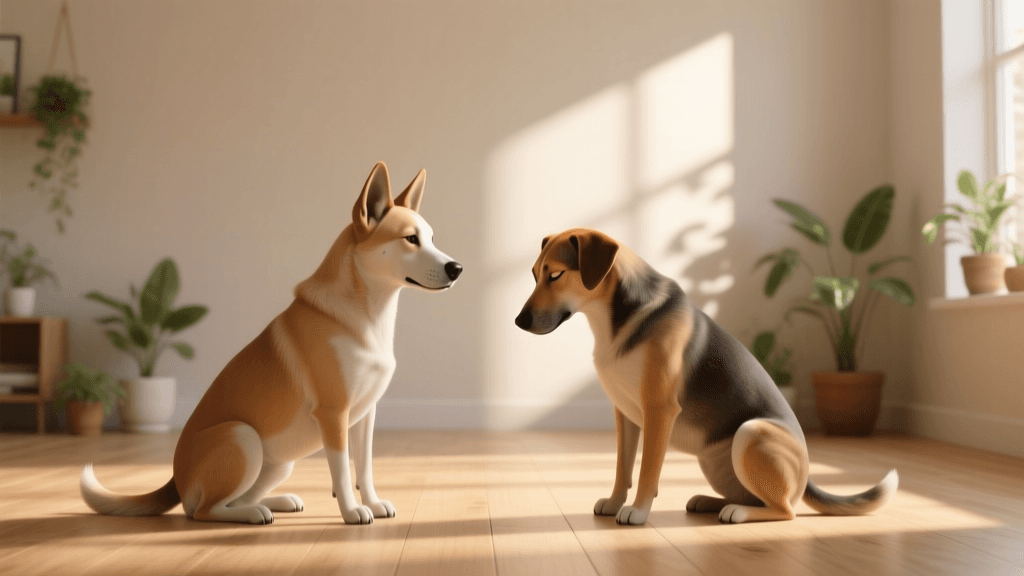
In canine culture, walking in a straight line directly toward another dog is considered confrontational and rude. When it is time for the dogs to finally greet, guide them in a wide arc or curve toward one another. This mimics the natural, polite greeting style of well-adjusted dogs and immediately lowers the emotional temperature of the interaction.
3. Scent Swapping and Decompression
Before bringing a new dog into your home, swap bedding and toys between the resident dog and the newcomer. This pre-exposes them to each other's pheromones. When the new dog arrives, use baby gates to allow visual access while maintaining physical safety. If you observe the resident dog yawning or lip-licking through the gate, they are expressing mild stress. Respect this by covering the gate with a sheet for a few hours to give them a visual break.
Human Body Language: Mirroring Peace
One of the most exciting developments in modern canine behavioral science is the recognition that humans can actively use calming signals to communicate with their dogs. Dogs are master observers of human biomechanics. If you are tense, breathing shallowly, and staring directly at your dog, they will read this as a threat or a sign of instability.
To communicate peaceful intent, especially during a tense multi-dog interaction, practice the following human calming signals:
- Soft Blinking: Avoid hard, unblinking stares. Blink slowly and softly to signal that you are relaxed.
- Turn Your Side: Instead of squaring your shoulders toward a nervous dog, turn your body slightly to the side. This makes you appear smaller and less confrontational.
- Look Away: If a dog is exhibiting whale eye or freezing, do not stare them down. Avert your gaze to relieve the social pressure.
- Move Slowly: Sudden, jerky movements trigger a dog's startle response. Move deliberately and smoothly when reaching for a leash or a treat pouch.
The Role of 2026 Pet Tech in Reading Signals
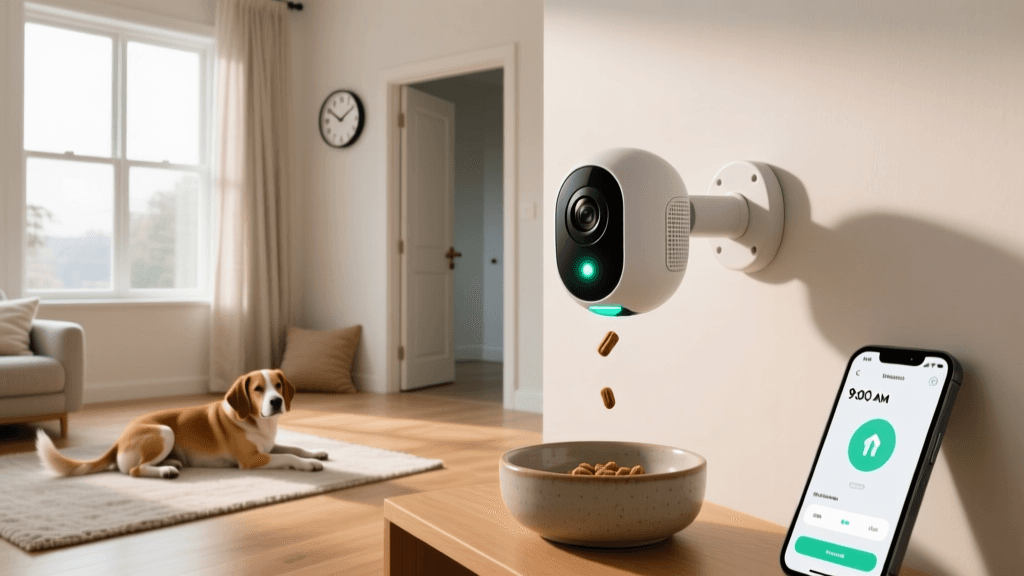
While nothing replaces the human eye, the latest generation of AI-powered pet cameras and smart collars introduced in 2026 can serve as valuable supplementary tools. Many modern home camera systems now feature 'behavioral playback,' allowing you to review slow-motion footage of your dogs' interactions while you were at work. This is particularly useful for identifying subtle calming signals that occur in the micro-seconds before a household squabble breaks out.
However, the American Kennel Club notes that breed-specific traits can sometimes mask or exaggerate these signals. For example, brachycephalic breeds (like Pugs or French Bulldogs) may naturally exhibit 'whale eye' or heavy panting due to their facial structure, making it harder to distinguish between anatomical norms and genuine stress. Similarly, dogs with heavy coats or docked tails lack the ability to use piloerection (raised hackles) or tail position to communicate. In these cases, relying on tech alerts without understanding the baseline anatomy of your specific breed can lead to misinterpretations.
Common Mistakes Owners Make
Even the most well-intentioned dog owners can inadvertently sabotage canine communication. The most damaging mistake is punishing the signal. If a dog growls or lip-licks to communicate discomfort, and the owner scolds them for it, the dog learns that their early warning system is ineffective. The next time they are stressed, they may skip the calming signals entirely and go straight to a bite. In 2026, the consensus among certified behaviorists is absolute: never punish a dog for communicating their emotional state.
Another common error is 'flooding'—forcing a dog to remain in a stressful situation (like a busy dog park) under the misguided belief that they will 'get used to it.' If your dog is constantly yawning, shaking off, and trying to hide behind your legs, they are begging for an exit. Respecting their request to leave builds immense trust and prevents the development of chronic anxiety.
When to Call a Professional
While understanding calming signals will resolve the majority of household friction, some situations require the intervention of a certified professional. If your dogs are exhibiting 'red-zone' behaviors—such as prolonged freezing, hard staring without blinking, or deep, guttural vocalizations—it is time to separate them and consult a veterinary behaviorist or a certified force-free trainer. Multi-dog aggression is complex, and early professional guidance can prevent injuries and ensure a safe, harmonious home for everyone.
Conclusion
Decoding canine calming signals is not just a training exercise; it is a profound act of empathy. By learning to read the subtle lip licks, yawns, and ground sniffs, you are stepping into your dog's world and speaking their native language. As you navigate the complexities of multi-dog introductions and daily life in 2026, remember that your primary role is not just an owner, but an advocate and a translator. When you honor your dog's calming signals, you build a foundation of trust that transforms a chaotic household into a sanctuary of mutual respect and enduring love.
marcus-aldridge
All our authors care for dogs every day — read more of their work on the authors page.