Top Treat Cameras for Force-Free Separation Anxiety Training 2026
Discover how to use smart treat cameras for force-free separation anxiety training in 2026. Compare top models and learn positive reinforcement protocols.
Understanding Separation Anxiety Through a Force-Free Lens
Separation anxiety is one of the most distressing behavioral challenges a dog can face, and it is equally heartbreaking for the humans who love them. When a dog experiences panic upon being left alone, their nervous system is in a state of genuine fight-or-flight. As modern dog care evolves, the veterinary and behavioral communities have overwhelmingly moved away from punitive measures. In 2026, the gold standard for treating separation-related distress relies entirely on positive reinforcement, systematic desensitization, and counterconditioning.
Force-free methods prioritize the dog's emotional well-being, ensuring that we build confidence rather than suppress symptoms. According to the ASPCA, treating separation anxiety requires a gradual process of teaching your dog to feel relaxed when alone, rather than using aversive tools that merely mask the panic. This is where modern technology—specifically smart treat-dispensing cameras—has become an indispensable tool for force-free guardians.
Why Smart Treat Cameras are a Game-Changer in 2026
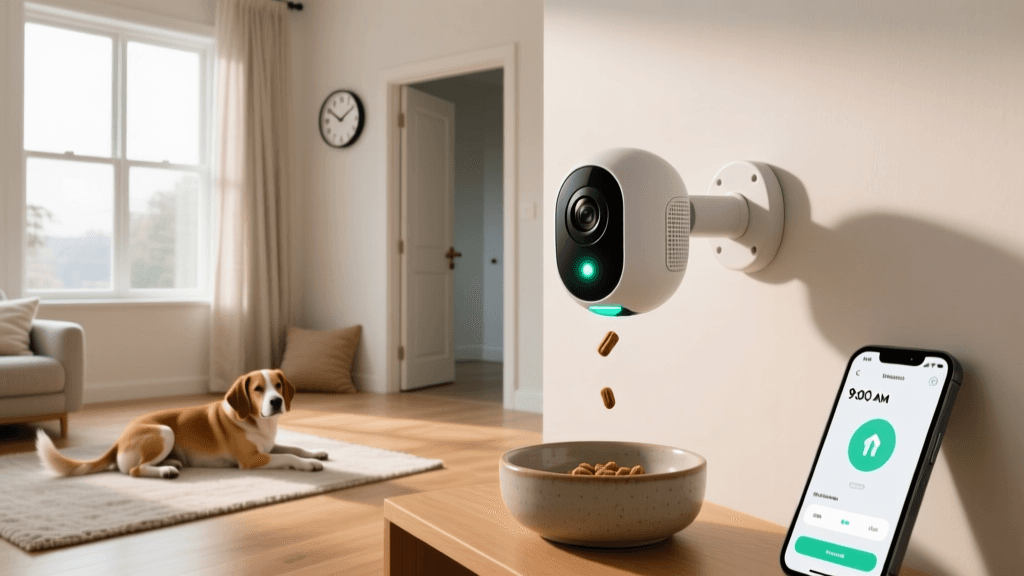
Historically, owners had to guess what their dog was doing while they were away, often returning home to destroyed furniture and noise complaints. Today, interactive pet cameras allow us to observe our dogs in real-time and deliver positive reinforcement remotely. The latest 2026 models feature advanced AI audio-visual recognition that can distinguish between a dog whining in distress, barking at a delivery driver, or simply snoring on the couch.
This technological leap is crucial for force-free training. Timing is everything in positive reinforcement. If you want to reward your dog for settling calmly on their mat while you are at the office, a treat camera allows you to toss a high-value reward at the exact moment they exhibit relaxed body language. Furthermore, these devices allow you to implement desensitization protocols without needing to physically walk out the door hundreds of times a day.
2026 Top Treat Cameras for Positive Reinforcement
When selecting a camera for separation anxiety training, you need reliable treat-tossing mechanics, clear two-way audio (used carefully), and a wide field of view. Below is a comparison of the top force-free friendly cameras available in 2026.
| Camera Model | Treat Capacity | Field of View | AI Behavior Alerts | Approx. 2026 Price |
|---|---|---|---|---|
| Furbo 360 Dog Camera | Up to 1 cup | 360° Rotating | Advanced (Bark, Cry, Vomit) | $229 |
| Petcube Bites 2 Lite | Up to 1.5 cups | 160° Wide Angle | Basic Sound Detection | $149 |
| Eufy Pet Dog Camera D120 | Up to 1 cup | 360° Rotating | Pet-Specific Motion AI | $179 |
Furbo 360 Dog Camera (2026 Edition)
The Furbo remains a favorite among force-free behavior consultants because of its 360-degree rotating base. Dogs with separation anxiety often pace or hide in corners. The rotating lens ensures you can track your dog's movements and toss treats accurately, no matter where they retreat. The advanced AI alerts can notify you if your dog is crying, allowing you to intervene with a calming voice or a treat toss before their anxiety escalates into a full-blown panic attack.
Eufy Pet Dog Camera D120
Eufy's dedicated pet camera offers exceptional local storage without mandatory monthly cloud fees, making it a budget-friendly choice for long-term training. Its treat-tossing mechanism is notably quiet compared to older models, which is vital for noise-sensitive rescue dogs who might be startled by the mechanical whir of a dispenser.
The Force-Free Desensitization Protocol
Using a treat camera effectively requires a structured, force-free protocol. The goal is to change your dog's emotional response to your departure from 'panic' to 'positive anticipation.' Fear Free Pets emphasizes that we must work below the dog's threshold of anxiety at all times.
Phase 1: Desensitizing to the Camera and Audio
Before using the camera for departures, your dog must view it as a source of good things. Set the camera up in your dog's primary relaxation zone. While you are home, manually trigger the treat toss via the app. Pair the sound of the camera's chime with a high-value reward. Do this until your dog hears the chime and immediately looks at the camera with a relaxed, wagging tail. Never use the two-way audio to scold your dog. Scolding through a speaker can cause confusion and increase anxiety, as the dog cannot locate the source of the reprimand.
Phase 2: Micro-Departures and Remote Rewarding
Begin practicing 'micro-departures.' Step outside your front door, close it, and immediately open the app. If your dog remains calm for just three seconds, use your pre-recorded 'calm cue' (a soft, soothing phrase you've conditioned them to) and toss a treat. Return inside before they show any signs of distress. Gradually increase the duration from three seconds to ten seconds, then one minute, always rewarding calm behavior remotely.
Phase 3: Extending Duration and Real-World Application
Once your dog can comfortably handle 15 minutes alone while engaging with a long-lasting enrichment item (like a frozen lick mat), you can begin leaving for slightly longer periods. Use the camera's AI alerts to monitor their state. If the app notifies you of pacing or whining, you have pushed past their threshold. Return home calmly, make a note of the time, and shorten the duration for your next session.
Treat Selection for Remote Rewarding
The physical limitations of treat cameras mean you cannot dispense raw meat or messy chews. However, the treats you use must be high-value enough to compete with the dog's anxiety.
- Size: Use pea-sized treats to prevent choking and to allow for multiple reinforcements without overfeeding.
- Texture: Soft, slightly moist treats work best in 2026 camera models. Hard, dry biscuits can shatter inside the dispensing mechanism or bounce unpredictably off hard floors, startling nervous dogs.
- Aroma: Since the dog cannot smell the treat through the screen, highly aromatic options like freeze-dried salmon crumbles or small pieces of low-sodium chicken jerky are ideal.
Recognizing Calm vs. Anxious Behavior on Camera
To practice positive reinforcement effectively, you must be able to read your dog's body language through a screen. Rewarding a dog while they are in a state of high arousal can inadvertently reinforce the anxious behavior.
Force-Free Rule of Thumb: Only toss a treat when your dog's muscles are loose, their ears are in a neutral position, and their breathing is slow and rhythmic. If their ears are pinned back, their tail is tucked, or they are panting heavily without being hot, they are over threshold. Do not reward; simply return home and adjust your training plan.
What to Avoid: The Danger of Aversive Methods
It is critical to address what not to do when managing separation anxiety. Some outdated training paradigms still suggest the use of remote-activated shock collars, citronella spray collars, or ultrasonic bark deterrents to stop a dog from vocalizing when left alone. The Humane Society of the United States strongly advises against these methods. Punishing a dog for crying when they are terrified does not cure the anxiety; it merely suppresses the outward symptom. The dog is still experiencing profound internal panic, which can lead to self-injury, learned helplessness, or redirected aggression.
Smart treat cameras, when paired with a force-free, reward-based methodology, offer a humane, effective, and deeply compassionate way to help your dog overcome their fears. By leveraging the best technology of 2026 alongside the timeless science of positive reinforcement, you can help your dog transform their alone time from a period of terror into a peaceful, rewarding experience.
aaron-whyte
All our authors care for dogs every day — read more of their work on the authors page.