Decoding Canine Calming Signals: Holistic Scent Therapy 2026
Learn to read subtle canine calming signals and build a holistic scent garden with natural adaptogens to soothe dog anxiety in 2026.
The Hidden Language of Canine Appeasement
Dogs are masters of non-verbal communication, yet their most profound messages are often missed by the humans who love them most. In the realm of canine psychology, 'calming signals'—a term popularized by Norwegian dog trainer Turid Rugaas—refer to the subtle body language cues dogs use to de-escalate tension, self-soothe, and communicate peaceful intentions. As we navigate the evolving landscape of holistic dog care in 2026, understanding these signals is no longer just a training perk; it is the foundational step in addressing canine anxiety at its root.
When a dog feels stressed, overstimulated, or unsure, they do not immediately resort to barking or lunging. Instead, they offer appeasement gestures. Recognizing these early warnings allows us to intervene with natural, holistic therapies before the dog's nervous system becomes overwhelmed. By pairing behavioral observation with environmental enrichment—specifically holistic scent gardens and natural adaptogens—we can create a comprehensive, drug-free protocol for emotional regulation.
Recognizing the Subtle Signals of Stress
Before implementing any holistic therapy, you must learn to read your dog's baseline stress indicators. According to the American Kennel Club's guide to dog body language, dogs use a complex array of micro-expressions to navigate their social world. The most common calming signals include:
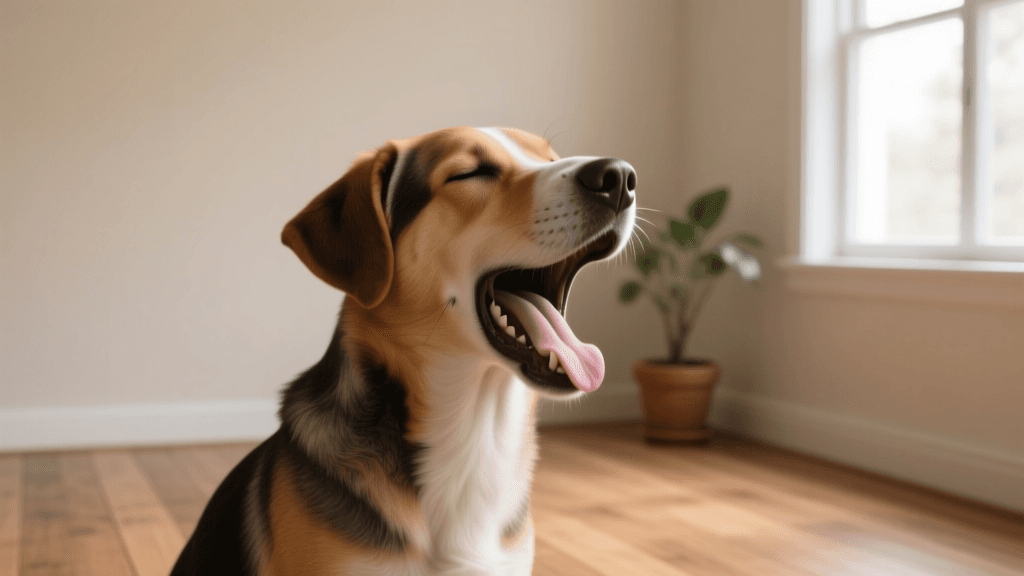
- Yawning out of context: A dog yawning when not tired, often occurring at the vet's office or during a tense household argument, is a primary self-soothing mechanism.
- Lip licking and nose flicking: Quick, repetitive tongue flicks indicate mild discomfort or an attempt to process conflicting information.
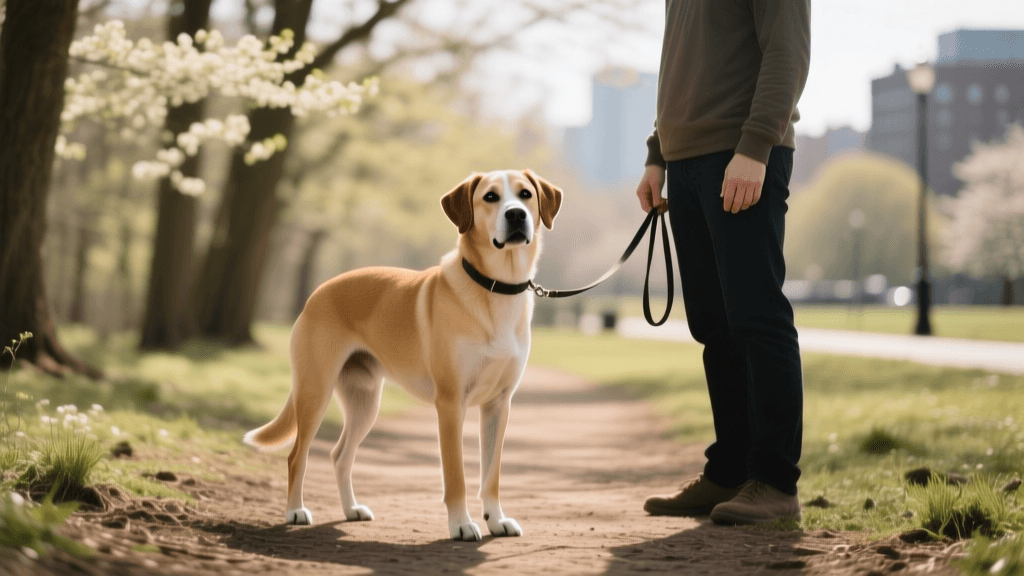
- Turning the head or body away: A direct frontal approach is considered confrontational in canine culture. Turning the head or presenting the side of the body is a polite request for space.
- Sniffing the ground: While sniffing is a natural investigative behavior, sudden, intense sniffing in a high-stress environment is a displacement activity used to avoid eye contact and lower the heart rate.
- The 'Whale Eye': When a dog turns its head away but keeps its eyes fixed on a stressor, exposing the whites of the eyes, it signals high anxiety and a potential threshold breach.
When you observe these signals, the holistic response is not to force the dog into compliance, but to alter the environment to support their nervous system.
Mirroring Calming Signals: The Human Element
A truly holistic approach recognizes that the human-dog dynamic is a feedback loop. If your dog is displaying calming signals, you can actively mirror them to communicate safety. In 2026, holistic behaviorists heavily emphasize 'owner bio-feedback.' To mirror your dog's appeasement language, avoid direct, sustained eye contact. Instead, blink slowly, turn your body slightly sideways, and soften your posture. Speak in a low, rhythmic cadence. This bio-mimicry signals to the dog's limbic system that you are a cooperative, non-threatening partner, drastically reducing their need to self-soothe through anxious behaviors.
The Neurology of Sniffing: A Natural Tranquilizer
Why do dogs sniff the ground when stressed? The answer lies in their neuroanatomy. A dog's olfactory bulb is proportionally 40 times larger than a human's, and it has a direct neural pathway to the limbic system—the brain's emotional and memory center. Engaging in deep, sustained sniffing stimulates the parasympathetic nervous system, effectively lowering the dog's heart rate and reducing circulating cortisol levels.
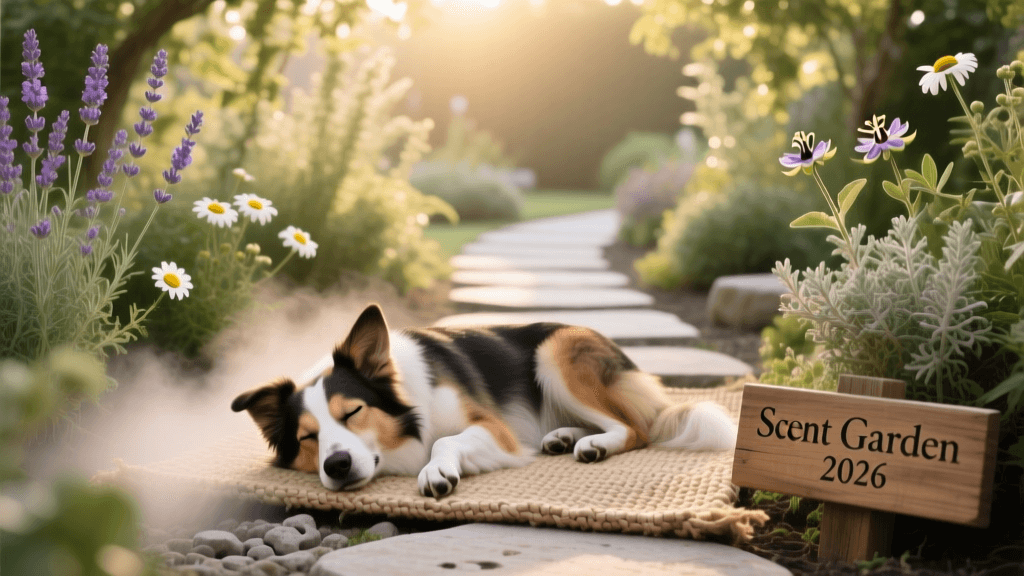
Rather than allowing sniffing only as a random occurrence on walks, holistic practitioners in 2026 recommend creating dedicated 'scent sanctuaries' at home. A holistic scent garden provides a controlled, safe environment where a dog can engage in decompression sniffing, utilizing specific therapeutic plants to further calm the nervous system.
Building a 2026 Holistic Scent Garden
A scent garden is not just a patch of grass; it is a curated sensory landscape designed for behavioral enrichment. Here is a step-by-step guide to building a raised-bed scent garden tailored for canine anxiety relief.
Step 1: Construction and Dimensions
Build a raised cedar bed measuring 4 feet long by 2 feet wide, with a height of 12 inches. Cedar is naturally resistant to pests and rot without the need for chemical treatments, which is vital for a holistic environment. Ensure the bed is placed in a quiet, low-traffic corner of your yard to serve as a true decompression zone.
Step 2: The Holistic Soil Mix
Canine paws and noses are highly sensitive to chemical fertilizers. Create a natural, nutrient-rich, and well-draining soil mix using the following ratio:
- 40% Organic Topsoil
- 30% Organic Compost
- 20% Coconut Coir (for moisture retention)
- 10% Perlite (for aeration and drainage)
Step 3: Selecting Therapeutic, Dog-Safe Plants
The plants you choose should offer dual benefits: olfactory stimulation and natural aromatherapy. Always cross-reference your plant choices with the ASPCA's Toxic and Non-Toxic Plants list to ensure absolute safety. The top four holistic plants for a canine calming garden include:
- Lavender (Lavandula angustifolia): Contains linalool, a compound proven to reduce heart rate and blood pressure in mammals. Plant it at the corners of the bed.
- Chamomile (Matricaria chamomilla): Offers a gentle, apple-like scent that promotes relaxation. It is safe if ingested in small amounts during foraging.
- Rosemary (Salvia rosmarinus): Provides a sharp, stimulating scent that encourages deep investigative sniffing, keeping the dog's brain engaged in a positive, non-anxious state.
- Valerian (Valeriana officinalis): The root and leaves emit an earthy, musky odor that acts as a mild natural sedative for the canine nervous system.
Holistic Tip: Bury a few natural, untreated wood logs or large river stones in the garden. These create micro-climates for the plants and offer varied textures for your dog to navigate, enhancing the proprioceptive feedback that grounds an anxious mind.
Natural Adaptogens and Nervous System Support
While environmental enrichment is powerful, some dogs require internal support to regulate their stress responses. In 2026, the use of natural adaptogens—herbs and compounds that help the body resist physical and mental stressors—has become a cornerstone of holistic veterinary behaviorism. Unlike pharmaceutical sedatives that blunt the senses, adaptogens work to balance the endocrine system and modulate cortisol production.
Below is a comparison chart of the most effective, research-backed natural adaptogens and supplements used in modern holistic canine care. Note: Always consult with a holistic veterinarian before introducing new supplements, as dosages vary by weight and individual health profiles.
| Supplement | Active Compound | Behavioral Target | Standard 2026 Holistic Guideline |
|---|---|---|---|
| L-Theanine | Amino Acid | Acute Stress, Travel, Vet Visits | 5-10 mg per kg of body weight |
| Ashwagandha | Withanolides | Chronic Cortisol, Generalized Anxiety | 10-20 mg per kg (cycled 8 weeks on/off) |
| Broad-Spectrum CBD | Cannabinoids / Terpenes | Noise Phobia, Inflammation, Restlessness | 0.2 mg per kg, administered twice daily |
| Valerian Root | Valerenic Acid | Hyperactivity, Sleep Disturbances | 2-5 mg per kg (short-term use only) |
| Passionflower | Flavonoids | Separation Anxiety, Pacing | 1-3 drops of tincture per 10 lbs of body weight |
For a deeper dive into how these compounds interact with canine biology, the AKC's comprehensive guide on calming supplements provides excellent baseline safety information for pet owners transitioning away from traditional pharmaceuticals.
Integrating Scent Work and Adaptogens into a Daily Routine
To achieve lasting behavioral changes, holistic therapies must be woven into the fabric of your dog's daily life. Here is a sample 2026 daily routine designed for a dog exhibiting mild to moderate anxiety and frequent calming signals:
Morning: The Scent Garden Scatter Feed
Instead of feeding your dog from a bowl, take their morning meal into the holistic scent garden. Scatter the kibble or raw diet among the lavender and chamomile. This forces the dog to engage their olfactory system for 15-20 minutes, naturally lowering their morning cortisol spike and setting a calm baseline for the day.
Afternoon: The Decompression 'Sniffari'
Take your dog on a 30-minute walk on a long line (15-20 feet). The sole purpose of this walk is not physical exercise, but olfactory exploration. Allow the dog to dictate the pace and direction. If they stop to sniff a patch of grass for five minutes, let them. This honors their natural need to process environmental data and prevents the buildup of mental frustration.
Evening: Adaptogen Administration and Passive Bonding
Administer the evening dose of L-Theanine or CBD roughly 45 minutes before the household's busiest time (e.g., when children return from school or dinner is being prepared). Create a 'settle' station near the family area. Sit near your dog, but practice mirroring calming signals: sit sideways to them, avoid direct eye contact, and read a book or engage in a quiet activity. This provides the dog with the comfort of your presence without the social pressure of interaction, allowing the adaptogens to gently guide them into a restful state.
Conclusion: A Holistic Paradigm Shift
Understanding your dog requires more than just obedience training; it demands a deep empathy for their sensory experience and emotional landscape. By learning to decode calming signals, we can stop punishing anxiety and start treating it. Building a holistic scent garden and utilizing natural adaptogens represent the forefront of 2026 canine behavioral care. These natural approaches do not mask the symptoms of stress; they provide the dog with the tools, environment, and biological support necessary to navigate a human world with confidence and peace.
beth-carrasco
All our authors care for dogs every day — read more of their work on the authors page.