Why Does My Dog Stare at Me? Top Questions Answered
Wondering why your dog stares at you? We answer Google's most-asked questions about canine eye contact, from affection to cognitive decline.
People Also Ask: Why Is My Dog Staring at Me?
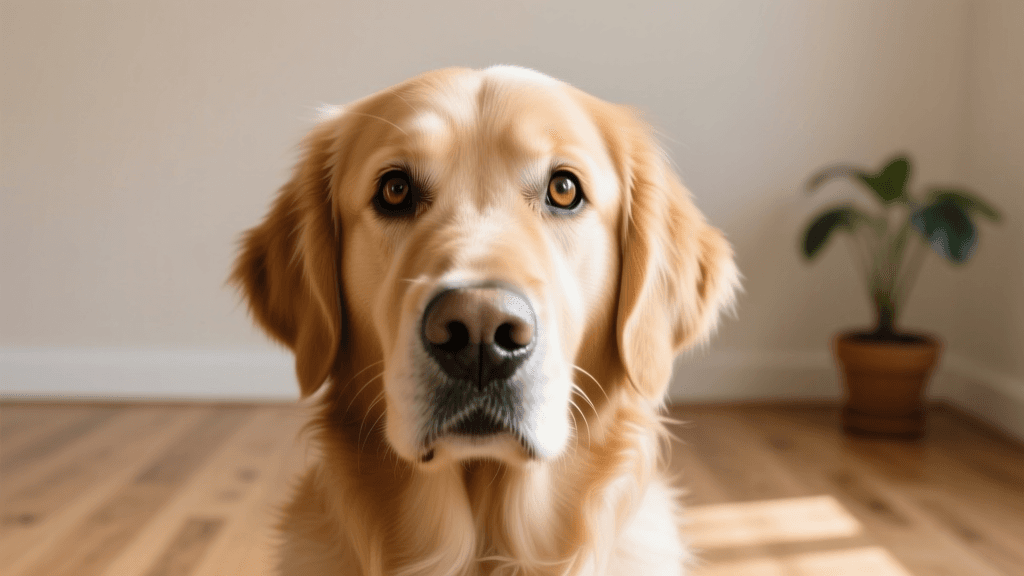
If you have ever eaten a sandwich, watched television, or simply sat in silence on the couch, you have likely felt the weight of your dog’s unblinking gaze. While a dog's stare can feel endearing, creepy, or downright demanding, it is one of the most complex communication tools in the canine repertoire. To help you decode your furry friend's behavior, we have analyzed Google's most-asked questions about why dogs stare, combining veterinary science, behavioral psychology, and actionable training advice.
1. Is my dog staring at me because they love me?
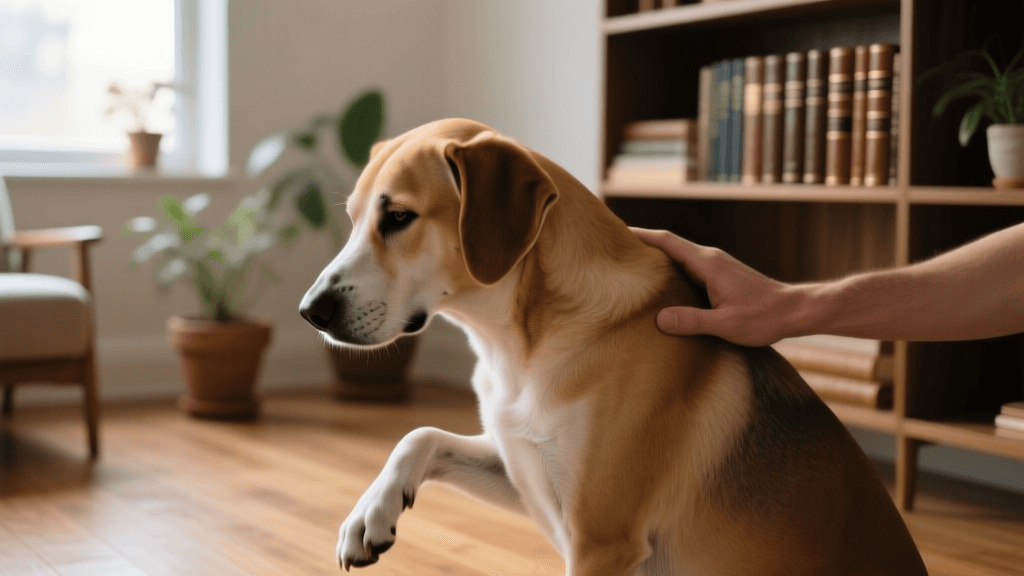
Yes, in many cases, a soft, relaxed stare is a profound expression of canine affection. When your dog looks at you with relaxed facial muscles, slightly squinted eyes, and a gently wagging tail, they are engaging in social bonding. A landmark study published in the journal Science revealed that mutual gazing between dogs and their owners triggers a massive release of oxytocin—the so-called 'love hormone'—in both species. This is the exact same neurochemical loop that bonds human parents to their infants.
When your dog stares at you after a long day apart or while you are relaxing, they are essentially giving you a canine hug. Reward this behavior with gentle petting, soft verbal praise, or a calming ear scratch to reinforce your bond.
2. Why does my dog stare at me while I eat?
This is perhaps the most common and frustrating stare. Dogs are opportunistic scavengers by nature. If your dog stares at you while you eat, they are not necessarily 'begging' in the human sense; they are monitoring a valuable resource. Historically, canines survived by paying close attention to the eating habits of their pack leaders to capitalize on dropped scraps.
If you have ever accidentally dropped a piece of cheese or fed them from the table, you have inadvertently reinforced the stare. The dog learns: Intense staring = eventual food drop.
Actionable Fix: The 'Place' Command Protocol
To stop the dinner-table stare, you must teach an incompatible behavior. The 'Place' command is highly effective. Here is a step-by-step, measurable protocol to fix the begging stare:
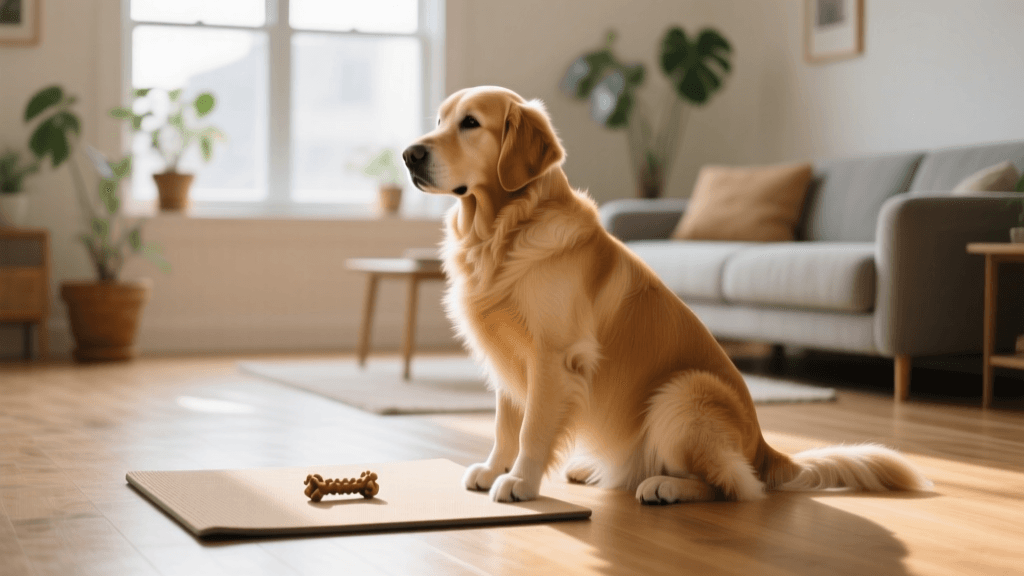
- The Equipment: Purchase an elevated cot, such as the Coolaroo Elevated Dog Bed (approx. $45). Elevated beds provide a clear physical boundary that is easier for dogs to understand than a flat mat.
- The Distance: Place the bed exactly 6 to 8 feet away from the dining table. This is far enough to remove the dog from the 'drop zone' but close enough for you to monitor them.
- The Lure: Use high-value, low-calorie treats like Zuke's Mini Naturals (approx. $8 for a 6oz bag, 3 calories per treat). The strong scent of roasted meat holds their attention better than dry kibble.
- The Timing: The moment your dog makes eye contact with your plate, calmly say 'Place' and guide them to the bed. Once all four paws are on the cot, wait exactly 3 seconds before delivering the treat. This 3-second delay prevents the dog from thinking the treat is a reward for staring at the food.
- The Duration: Provide a long-lasting chew, like a Bully Stick (approx. $4-$6 each), once they settle on the bed. This redirects their chewing instinct and keeps them occupied for the 20-30 minutes it takes you to finish your meal.
3. What does it mean when a dog stares without blinking?
Context is everything when analyzing a hard, unblinking stare. While a soft gaze indicates love, a rigid, unblinking stare with a closed mouth and stiff body is a warning sign. According to the Humane Society of the United States, a hard stare is often a precursor to resource guarding or aggression.
If your dog freezes, stares intensely at you (or another dog), and their tail is held high and stiff, they are issuing a challenge or defending a perceived threat. Never stare back. In canine body language, returning a hard stare is a declaration of conflict. Instead, break eye contact, take a slow step back, and assess the environment. Are they guarding a toy, a bone, or a favorite sleeping spot? Remove the trigger safely and consult a certified professional dog trainer (CPDT-KA) to address resource guarding before it escalates to a bite.
4. Why is my senior dog staring at the wall or me blankly?
If your older dog (typically 8+ years for large breeds, 10+ for small breeds) frequently stares blankly into corners, at walls, or at you without seeming to recognize you, this is a major red flag for Canine Cognitive Dysfunction Syndrome (CDS). The ASPCA notes that CDS is akin to Alzheimer's disease in humans, causing disorientation, altered sleep-wake cycles, and a breakdown in learned behaviors.
Actionable Steps for Senior Staring:
- Veterinary Diagnostics: Schedule a senior wellness exam. Expect to pay between $150 and $250 for a comprehensive senior blood panel and urinalysis to rule out metabolic issues like hypertension or kidney disease, which can cause neurological symptoms.
- Nutritional Intervention: Switch to a brain-support diet. Purina Pro Plan Bright Mind (approx. $60 for a 16lb bag) uses medium-chain triglycerides (MCTs) to provide an alternative energy source for aging brains. Alternatively, ask your vet about Senilife supplements (approx. $35), which contain antioxidants and phosphatidylserine to support cognitive health.
- Environmental Enrichment: Introduce daily 10-minute scent-work games using snuffle mats to stimulate neural pathways and slow cognitive decline.
The Canine Stare Decoder: Quick Reference Chart
Use this table to quickly diagnose your dog's staring behavior based on accompanying body language.
| Stare Type | Body Language Cues | Underlying Meaning | Recommended Action |
|---|---|---|---|
| The Soft Gaze | Relaxed ears, soft eyes, gentle tail wag, leaning in. | Affection, bonding, oxytocin release. | Reciprocate with gentle petting and soft praise. |
| The Begging Stare | Wide eyes, pricked ears, sitting politely near food. | Opportunistic scavenging, anticipation. | Redirect to a 'Place' bed; do not feed from the table. |
| The Hard Stare | Stiff body, closed mouth, unblinking, tail high/still. | Resource guarding, threat assessment, aggression. | Break eye contact, back away, consult a CPDT-KA trainer. |
| The Blank Stare | Glazed eyes, staring at walls, unresponsiveness to name. | Confusion, hearing loss, or Cognitive Dysfunction (CDS). | Book a senior vet panel; introduce MCTs and scent work. |
| The 'Need' Stare | Pawing at the door, looking at you then the leash. | Request for resources (bathroom, walk, water). | Fulfill the need; reward the polite request. |
Final Thoughts on Canine Eye Contact
Understanding why your dog stares at you requires looking beyond the eyes and reading the entire body. By paying attention to ear position, tail carriage, and environmental context, you can accurately interpret whether your dog is saying 'I love you,' 'Drop that chicken,' or 'I need medical help.' Next time you catch your dog staring, take a three-second pause to read their full body language before responding. You might just find that your dog is trying to tell you something far more complex than you ever imagined.
tom-renshaw
All our authors care for dogs every day — read more of their work on the authors page.