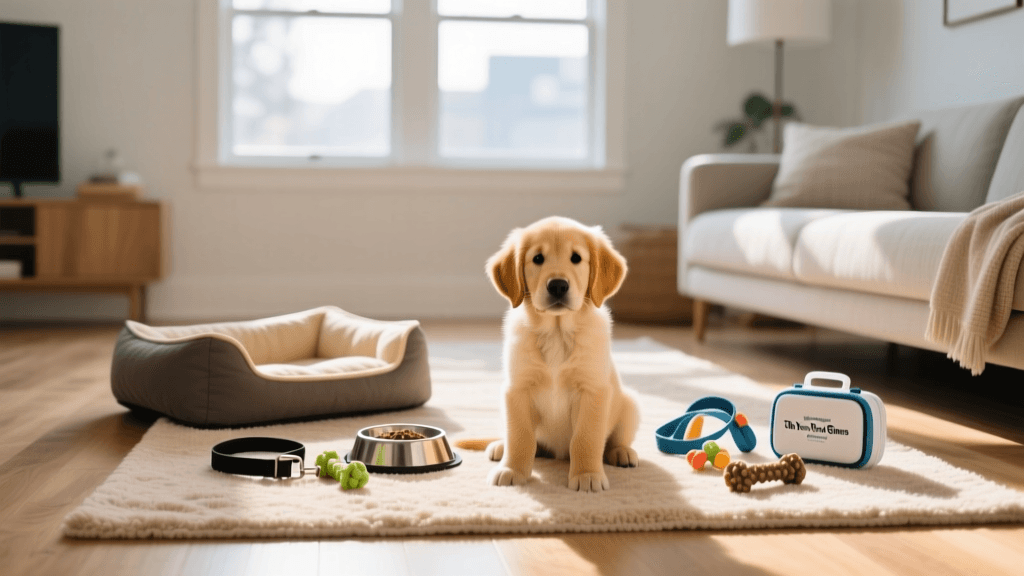
Crafting the Perfect Daily Wellness Schedule for Your Dog
Discover how to build a balanced daily wellness schedule for your dog, including exercise, mental enrichment, feeding times, and essential rest periods.

Why a Structured Daily Routine Matters for Canine Wellness
While many dog owners focus primarily on diet and annual veterinary visits, the daily structure of a dog's life is equally critical to their long-term health and happiness. Dogs are inherently den animals that thrive on predictability. A well-crafted daily wellness schedule reduces cortisol levels, minimizes behavioral issues stemming from anxiety, and ensures that all of your dog's physical and cognitive needs are met consistently. According to the American Veterinary Medical Association (AVMA), establishing a consistent routine is foundational to preventive pet care, helping owners quickly identify deviations in behavior, mobility, or appetite that might signal underlying health issues.
Creating a holistic wellness routine goes far beyond simply letting your dog out into the backyard. It requires a deliberate balance of physical exertion, cognitive stimulation, nutritional timing, and adequate decompression. Below, we break down the core pillars of canine wellness and provide a comprehensive, actionable daily schedule you can adapt to your dog's specific breed, age, and energy level.
The Core Pillars of a Dog's Daily Wellness Schedule
1. Physical Exercise and Mobility
Physical health is the most visible aspect of canine wellness. The ASPCA recommends that most adult dogs receive at least 30 minutes to 2 hours of physical activity every day, depending on their breed and health status. However, the type of exercise matters just as much as the duration. High-impact activities like fetch or agility are excellent for burning energy in working breeds like Border Collies or Belgian Malinois. Conversely, low-impact activities such as swimming or structured leash walking are vital for brachycephalic breeds (like Pugs or Bulldogs) and large breeds prone to hip dysplasia (like German Shepherds).
Actionable Tip: Incorporate a daily 'Sniffari.' Allow your dog 15 to 20 minutes on a long line (15-30 feet) in a safe, grassy area to simply sniff. Sniffing lowers a dog's heart rate and provides immense mental satisfaction, often tiring them out just as much as a brisk walk.
2. Mental Enrichment and Cognitive Health
A tired dog is a good dog, but a mentally stimulated dog is a fulfilled one. Veterinary behaviorists often note that 15 minutes of intense mental enrichment can be as exhausting for a dog as an hour of physical running. Cognitive wellness prevents destructive behaviors born from boredom and delays the onset of Canine Cognitive Dysfunction (CCD) in senior dogs.
Actionable Tip: Ditch the standard food bowl. Invest in puzzle toys like the Outward Hound Nina Ottosson Dog Brick (approx. $25) or a classic KONG Wobbler (approx. $15). You can also create DIY snuffle mats using fleece strips to hide your dog's daily kibble ration, forcing them to use their natural foraging instincts.
3. Nutritional Timing and Hydration
Free-feeding (leaving a bowl of food out all day) can lead to obesity and makes it difficult to monitor your dog's appetite, which is a key indicator of overall health. Scheduled feeding aligns with your dog's circadian rhythm and aids in predictable digestion and potty scheduling.
Actionable Tip: Feed adult dogs twice a day, roughly 10 to 12 hours apart (e.g., 7:00 AM and 6:00 PM). Ensure fresh water is always available, but track their intake. A general rule of thumb is that dogs should drink approximately 1 ounce of water per pound of body weight daily. If you feed a dry kibble diet, consider adding a tablespoon of warm water or low-sodium bone broth to their bowl to boost hydration.
4. Rest and Decompression
Dogs require significantly more sleep than humans. The average adult dog sleeps 12 to 14 hours per day, while puppies and seniors may sleep up to 18 hours. During sleep, dogs enter REM cycles crucial for memory consolidation and physical recovery. Interrupted sleep or sleeping on unsupportive surfaces can lead to chronic fatigue and joint pain.
Actionable Tip: Provide a dedicated, high-quality orthopedic bed in a quiet, low-traffic area of your home. Brands like Big Barker (approx. $200-$300) offer 10-year guaranteed foam that prevents bottoming out, which is especially critical for large breeds susceptible to arthritis.
Sample 24-Hour Wellness Schedule for the Average Adult Dog
Below is a structured template for a 40-pound, medium-energy adult dog. Adjust the durations based on your specific dog's needs.
| Time | Activity | Wellness Focus | Duration |
|---|---|---|---|
| 6:30 AM | Wake up & Potty Break | Elimination, hydration check | 10 mins |
| 7:00 AM | Breakfast & Foraging | Nutrition, mental stimulation | 15 mins |
| 7:30 AM | Morning Sniffari / Walk | Physical exercise, scent work | 45 mins |
| 8:30 AM | Settle Down / Nap | Decompression, REM sleep | 3 hours |
| 12:00 PM | Midday Potty & Stretch | Elimination, joint mobility | 10 mins |
| 1:00 PM | Interactive Play / Training | Cognitive health, bonding | 20 mins |
| 2:00 PM | Afternoon Rest | Physical recovery | 3 hours |
| 5:30 PM | Evening Walk / Jog | Cardiovascular health | 30 mins |
| 6:15 PM | Dinner & Lick Mat | Nutrition, soothing enrichment | 20 mins |
| 7:30 PM | Family Time / Cuddles | Emotional bonding, socialization | 2 hours |
| 9:30 PM | Final Potty Break | Elimination | 10 mins |
| 10:00 PM | Bedtime | Deep restorative sleep | 8.5 hours |
Adjusting the Routine: Puppies, Seniors, and High-Energy Breeds
A one-size-fits-all approach does not work for canine wellness. You must adapt the baseline schedule to your dog's life stage and genetic predispositions.
Puppies (8 Weeks to 18 Months)
Puppies require frequent, short bursts of activity rather than long, grueling walks, which can damage developing growth plates. Follow the '5-minute rule' for structured exercise: 5 minutes of walking per month of age, twice a day. Mental enrichment should focus on foundational training (sit, stay, recall) and socialization. Potty breaks must occur every 1 to 2 hours, and puppies will need up to 18-20 hours of sleep to support rapid physical growth.
Senior Dogs (7+ Years)
As dogs age, their wellness routine must shift from high-intensity cardio to joint preservation and cognitive maintenance. Swap out long runs for shorter, more frequent leash walks on soft surfaces like grass or dirt to reduce impact on aging joints. Incorporate daily joint supplements containing glucosamine and chondroitin, such as Dasuquin or Cosequin (approx. $30-$50 for a monthly supply). Mental enrichment becomes vital to stave off canine dementia; introduce gentle scent work or new, low-impact tricks to keep their neural pathways active.
High-Energy and Working Breeds
Breeds like Huskies, Pointers, and Shepherds need a 'job' to do. If their daily schedule does not include rigorous physical and mental challenges, they will create their own (often destructive) entertainment. Incorporate activities like flirt-pole sessions, weighted backpack walks (carrying no more than 10-15% of their body weight), or advanced agility training to properly drain their physical and mental batteries.
Tracking Your Dog's Wellness: Tools and Metrics
To ensure your daily schedule is actually meeting your dog's needs, leverage modern technology and consistent tracking. The Centers for Disease Control and Prevention (CDC) highlights the mutual health benefits of active dog ownership, making it worthwhile to track your shared activities.
- Smart Collars: Devices like the Fi Series 3 or Whistle GO Track (approx. $100-$150, plus subscription) monitor your dog's daily step count, active minutes, and sleep quality. If your dog's sleep becomes fragmented, it may indicate pain or environmental stress.
- Wellness Journaling: Keep a simple digital or physical log tracking your dog's weight (weigh them monthly at home or at the vet), daily food intake, and stool quality. Changes in digestion are often the first indicator that a dietary or routine adjustment is needed.
- Body Condition Scoring (BCS): Rather than just relying on the scale, learn to perform a visual and tactile BCS. You should be able to feel your dog's ribs without pressing hard, and they should have a visible waist when viewed from above.
Conclusion
Crafting the perfect daily wellness schedule for your dog is an ongoing process of observation and adjustment. By intentionally balancing physical exercise, mental enrichment, structured nutrition, and ample rest, you are doing far more than just keeping your dog busy—you are actively extending their lifespan and enhancing their quality of life. Start with the sample schedule provided, monitor your dog's response, and tweak the timings and activities until you find the perfect rhythm for your household.
jonas-cole
All our authors care for dogs every day — read more of their work on the authors page.