Dog Car Sickness: Diagnosis, Prevention, and Solutions
Discover practical solutions for dog car sickness. Learn how to diagnose motion sickness versus anxiety and explore proven treatments, products, and training.
Understanding the Root Cause: Motion Sickness vs. Anxiety
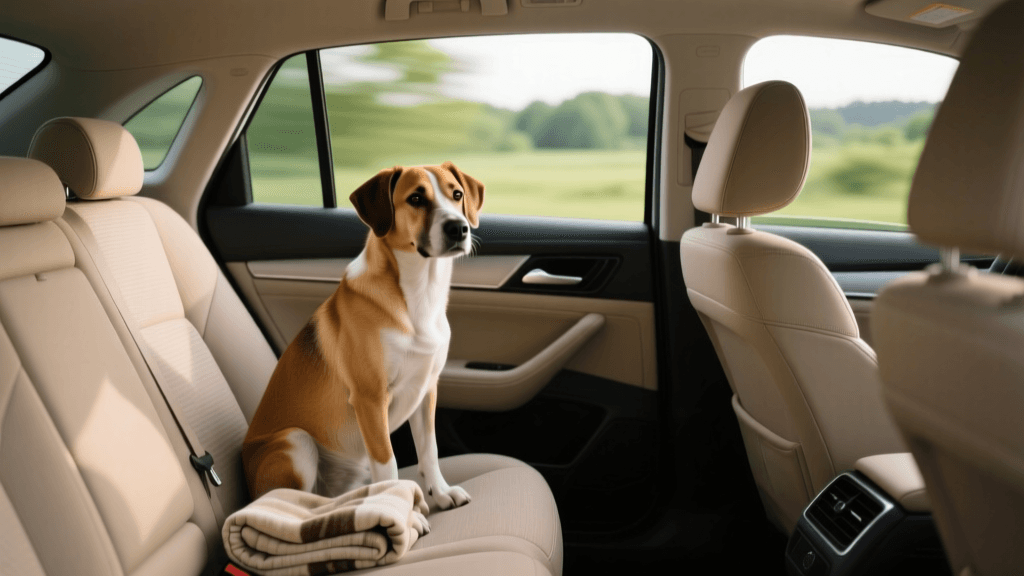
For many dog owners, the dream of taking a scenic road trip with their furry companion is quickly derailed by the reality of canine car sickness. Before you can effectively treat the problem, it is crucial to diagnose whether your dog is experiencing true physiological motion sickness or psychological travel anxiety. According to the Merck Veterinary Manual, true motion sickness is primarily caused by a disconnect between the visual stimuli your dog sees and the vestibular (balance) signals their inner ear sends to the brain. This is incredibly common in puppies because the structures of the inner ear used for balance are not fully developed until they are about one year old. Fortunately, many puppies outgrow this phase.
However, if your adult dog continues to struggle in the car, the root cause is often psychological. A dog that has only ever ridden in a car to visit the veterinarian or the groomer will quickly associate the vehicle with fear, stress, and uncomfortable procedures. This conditioned anxiety triggers a fight-or-flight response, which slows digestion and leads to nausea, drooling, and eventually vomiting. Differentiating between the two is the first step toward a permanent solution.
Diagnosing Your Dog's Car Sickness
How do you know if your dog is suffering from car sickness before the inevitable mess occurs? Dogs display a specific sequence of stress and nausea signals. Watch for these early warning signs:
- Inactivity or Lethargy: Your dog may freeze, sit rigidly, or refuse to look out the window.
- Excessive Yawning: A common canine calming signal and a physiological response to nausea.
- Lip Smacking and Swallowing: Repeatedly licking the lips or swallowing hard indicates rising stomach acid.
- Profuse Drooling: Hypersalivation is a direct neurological response to impending emesis (vomiting).
- Whining or Pacing: Vocalization and an inability to settle are strong indicators of travel anxiety.
- Vomiting: The final stage of the sickness response.
If your dog exhibits these symptoms only when the car is moving, it is likely vestibular motion sickness. If they exhibit these symptoms as soon as you pick up the car keys or open the garage door, you are dealing with conditioned anxiety.
Immediate Solutions: Pre-Trip Preparation and Fasting
While long-term training is the ultimate goal, you often need immediate solutions for upcoming travel. Managing your dog's diet prior to a trip is one of the most effective ways to prevent vomiting. An empty stomach has nothing to expel, significantly reducing the mess and the dog's discomfort.
Fasting Guidelines:
- Puppies (Under 1 Year): Withhold food for 2 to 3 hours before travel. Puppies are prone to hypoglycemia, so prolonged fasting is dangerous.
- Adult Dogs (Over 1 Year): Withhold food for 6 to 8 hours before a long trip.
- Hydration: Never withhold water. Offer small amounts of ice cubes to lick leading up to the trip to keep them hydrated without sloshing liquid in the stomach.
Additionally, consider feeding a bland diet (such as boiled chicken breast and white rice) the day before travel, as heavy, fatty, or rich foods take longer to digest and are more likely to cause gastrointestinal upset.
Over-the-Counter and Prescription Medications
When fasting and environmental changes are not enough, medications can provide a much-needed bridge to help your dog relax. The American Kennel Club notes that several options exist, ranging from natural supplements to powerful prescription antiemetics. Always consult your veterinarian for exact dosages based on your dog's weight, age, and medical history.
Comparison Chart: Car Sickness Medications and Supplements
| Treatment Type | Product / Active Ingredient | Best For | Onset Time | Approx. Cost |
|---|---|---|---|---|
| Prescription | Cerenia (Maropitant Citrate) | Severe motion sickness and anxiety-induced vomiting | 2 hours | $30 - $50 |
| OTC Antihistamine | Dramamine (Dimenhydrinate) | Mild to moderate motion sickness | 30 - 45 mins | $10 - $15 |
| OTC Antihistamine | Benadryl (Diphenhydramine) | Mild sickness with a need for sedation | 30 mins | $5 - $10 |
| Natural Supplement | Ginger Root / Zoolcalm Chews | Mild upset stomach and nervousness | 30 - 45 mins | $15 - $25 |
Cerenia (Maropitant Citrate): This is the gold standard for canine motion sickness. Unlike antihistamines that cause drowsiness, Cerenia works by blocking substance P, a neurotransmitter involved in vomiting, directly in the brain. The U.S. Food and Drug Administration approves it for both the prevention of acute vomiting and the treatment of motion sickness in dogs. It requires a veterinary prescription and is highly effective for dogs that do not respond to milder treatments.
Dramamine and Benadryl: These over-the-counter human medications are frequently used off-label for dogs. They work by depressing the central nervous system and the vestibular system. While effective for some, they can cause significant drowsiness, dry mouth, and urinary retention. Never use formulations containing xylitol or decongestants (like pseudoephedrine), as these are highly toxic to dogs.
Desensitization Training: A Step-by-Step Guide
Medication masks the problem; training solves it. Counter-conditioning and desensitization rewrite your dog's emotional response to the car. This process requires patience and high-value treats (like freeze-dried liver or boiled chicken). Do not rush the steps; if your dog shows stress, return to the previous successful step.
Phase 1: The Approach (Days 1-3)
Walk your dog toward the parked car on a leash. Stop 10 feet away, ask for a sit, and reward heavily. Walk away. Repeat this until your dog approaches the car with a wagging tail, expecting a treat.
Phase 2: Inside the Car, Engine Off (Days 4-7)
Open the car door. Toss high-value treats onto the back seat or into the crate. Let your dog get in, eat the treats, and immediately get out. Do not close the door or start the engine. Gradually increase the time they spend inside with the door closed while you sit next to them, feeding treats continuously.
Phase 3: The Engine Turns On (Days 8-10)
With your dog secured in the back seat, start the engine. Do not put the car in gear. Sit with them, offer a long-lasting chew (like a stuffed Kong), and let the engine idle for 5 minutes. Turn the car off and end the session.
Phase 4: Short, Positive Drives (Days 11-14)
Drive to the end of your street and back. The trip should last less than two minutes. The destination must be positive—step out of the car, play a quick game of tug, and give a treat. Never use the car to go to the vet during this training phase.
Phase 5: Expanding the Radius (Weeks 3-4)
Gradually increase the drive time by 5-minute increments, always ending at a highly rewarding location like a park, a hiking trail, or a dog-friendly patio.
Gear and Equipment for a Smoother Ride
The physical environment of your car plays a massive role in your dog's comfort. Unrestrained dogs not only face severe injury risks in the event of a crash, but the constant shifting and sliding in the back seat exacerbates vestibular confusion and motion sickness.
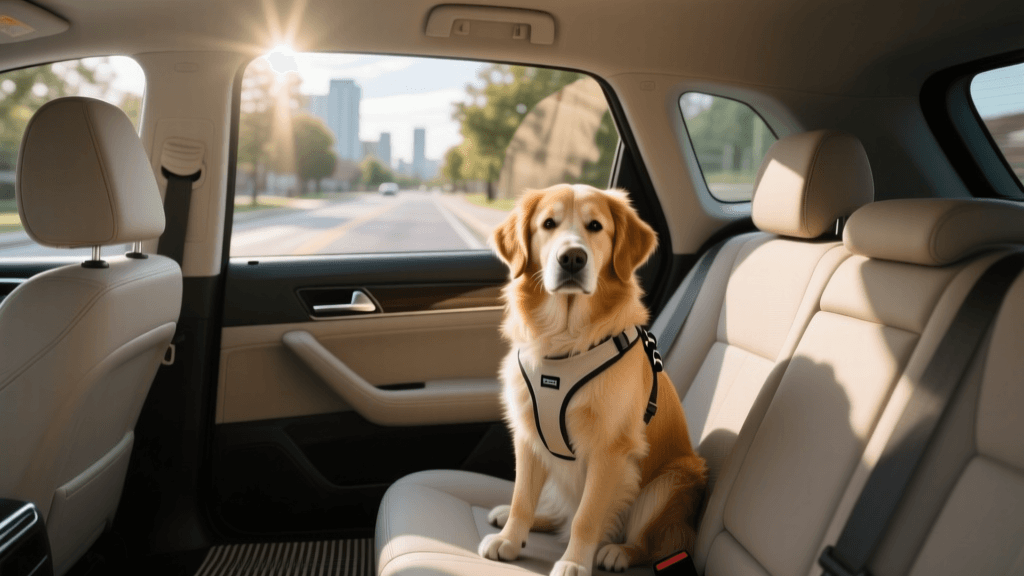
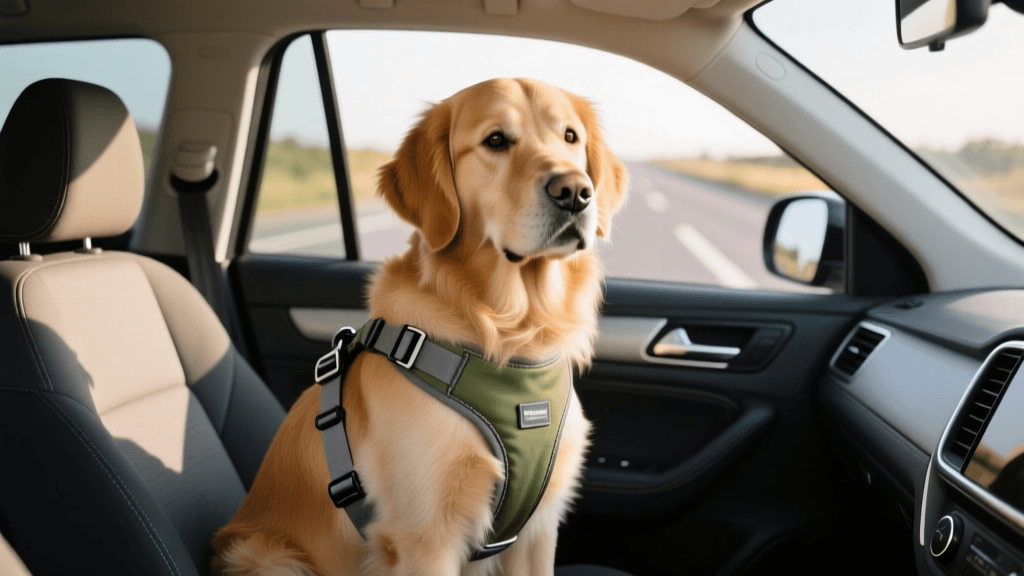
- Crash-Tested Harnesses: Invest in a harness certified by the Center for Pet Safety. The Sleepypod Clickit Sport and the Kurgo Tru-Fit Smart Harness are excellent choices that secure the dog's chest and shoulders to the vehicle's seatbelt system, limiting erratic movement.
- Window Shades: Fast-moving visual stimuli outside the window can cause sensory overload and nausea. Use mesh window shades to block the lower half of the windows, allowing for airflow while preventing your dog from watching the blurred, rushing ground.
- Cooling Mats and Airflow: Dogs do not sweat like humans; they pant to cool down. A warm car increases nausea. Use a cooling mat (like the Arf Pets Self-Cooling Mat) and ensure the AC vents are directed toward your dog to keep their core temperature regulated.
- Pheromone Sprays: Spraying Adaptil (a synthetic dog-appeasing pheromone) on a bandana or the car's fabric seats 15 minutes before travel can have a profound calming effect on anxious dogs.
When to See a Veterinarian
While most car sickness is benign and manageable, sudden onset of severe motion sickness in an older dog who previously loved car rides warrants an immediate veterinary exam. This can be a symptom of underlying vestibular disease, an inner ear infection, or cognitive dysfunction syndrome. Furthermore, if your dog vomits repeatedly during travel and becomes lethargic, their gums may become tacky and pale, indicating dehydration. In these cases, cease travel immediately and seek professional veterinary care to administer subcutaneous fluids and prescription antiemetics.
By combining strategic fasting, appropriate veterinary-approved medications, high-quality safety gear, and a patient desensitization protocol, you can transform your dog's car experience from a stressful ordeal into an enjoyable adventure. Road trips are a wonderful way to bond with your pet, and with the right diagnosis and solutions, the open road is yours to share.
tom-renshaw
All our authors care for dogs every day — read more of their work on the authors page.