Diagnosing and Curing Dog Car Sickness and Anxiety
Discover how to diagnose dog car sickness and travel anxiety. Learn practical solutions, top products, and training tips for stress-free road trips.
The Root of the Problem: Motion Sickness vs. Anxiety
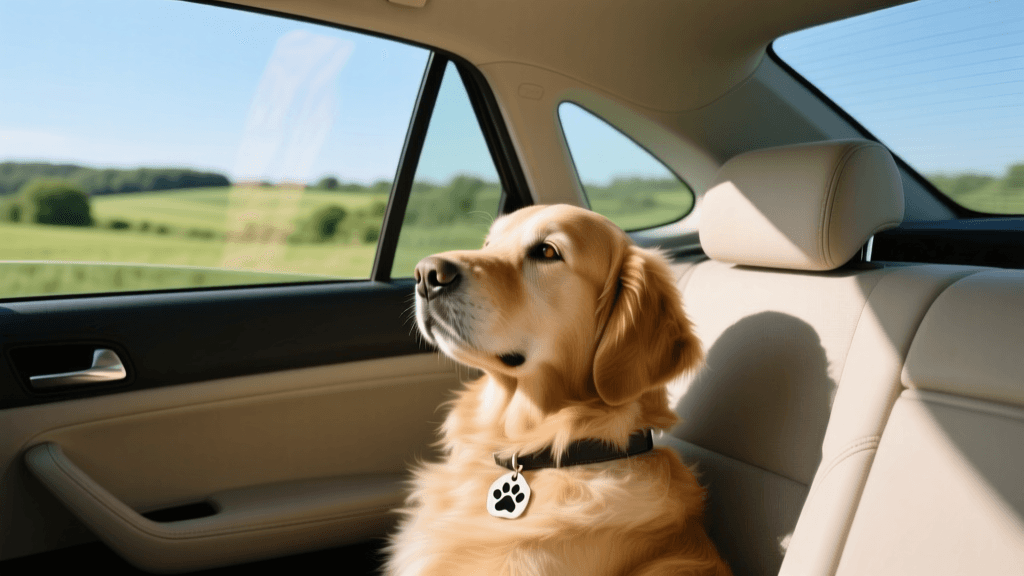
For many dog owners, road trips are a dream scenario, offering a chance to explore the outdoors with their best friend. But for others, car rides are a nightmare of whining, excessive drooling, pacing, and ruined car upholstery. To effectively solve the problem, we must first understand that canine travel distress generally stems from two distinct but overlapping issues: physiological motion sickness and psychological travel anxiety. According to VCA Animal Hospitals, while puppies frequently outgrow motion sickness as their inner ear structures develop, adult dogs who continue to suffer often have underlying anxiety or negative associative conditioning tied to the vehicle.
Understanding the Canine Vestibular System
Motion sickness occurs when there is a disconnect between what the eyes see and what the inner ear (the vestibular system) feels. When a dog sits in the backseat, their eyes might see the stationary interior of the car, but their inner ear detects the acceleration, turning, and braking of the vehicle. This sensory mismatch triggers the vomiting center in the brain. Puppies are highly susceptible to this because their vestibular systems are not fully mature. While many dogs outgrow this by the time they are one year old, those who do not often develop a secondary layer of psychological anxiety, anticipating the feeling of nausea every time they see the car.
Diagnosing Your Dog's Travel Distress
Before purchasing products or starting a training protocol, you must diagnose whether your dog is experiencing physical nausea, psychological fear, or a combination of both. Observe your dog's behavior before, during, and after the ride.
Symptoms of Physical Motion Sickness
- Excessive drooling (hypersalivation) that begins shortly after the car starts moving.
- Lip smacking, yawning, or swallowing repeatedly.
- Lethargy or a sudden drop in energy levels.
- Vomiting or dry heaving, usually occurring 10 to 20 minutes into the drive.
- Whining that seems rooted in physical discomfort rather than fear.
Symptoms of Psychological Travel Anxiety
- Panting heavily even when the car is cool.
- Pacing, trembling, or attempting to hide under seats.
- Whining, barking, or howling before the car even starts moving.
- Refusal to enter the vehicle or bracing paws against the door frame.
- Destructive behavior, such as chewing on seatbelts or car doors.
As noted by the American Kennel Club (AKC), if your dog exhibits fear behaviors before the engine even turns on, you are likely dealing with anxiety, which requires behavioral modification alongside potential medical support.
Medical and Over-the-Counter Solutions
When behavioral training is not enough, or when you need immediate relief for an upcoming trip, veterinary medicine offers several highly effective options. Always consult your veterinarian for exact dosages based on your dog's weight and health history.
1. Cerenia (Maropitant Citrate)
Cerenia is the only FDA-approved prescription medication specifically designed to prevent vomiting and motion sickness in dogs. It works by blocking substance P, a neurotransmitter that binds to receptors in the brain's vomiting center. Timing: Administer 2 hours before travel. Duration: Lasts up to 24 hours. Cost: Approximately $30 to $50 for a pack of tablets. It is highly effective and does not cause the drowsiness associated with antihistamines.
2. Dramamine (Dimenhydrinate)
An over-the-counter antihistamine commonly used for human motion sickness, Dramamine can be used off-label for dogs. It reduces the sensory input from the inner ear. Timing: Administer 30 to 45 minutes before travel. Side Effects: Mild drowsiness and dry mouth. Cost: Around $10 to $15 at any pharmacy. Note: Ensure you are using the original formula, not the non-drowsy or chewable varieties, which may contain xylitol, a substance highly toxic to dogs.
3. Trazodone
If your dog's primary issue is severe psychological anxiety rather than physical nausea, your vet may prescribe Trazodone. This is an antidepressant that acts as a mild sedative and anti-anxiety medication. Timing: Administer 1.5 to 2 hours before the trip. Cost: $15 to $30 depending on the dosage required. It keeps the dog calm and relaxed without completely knocking them out.
Behavioral Desensitization Protocol
Medication is a bridge, but behavioral modification is the long-term cure. If your dog has developed a negative association with the car, you must systematically counter-condition them. This process requires patience and high-value treats (like boiled chicken or freeze-dried liver). According to expert guidelines published by PetMD, gradual exposure is the gold standard for overcoming canine travel phobias.
Week 1: The Car is a Treat Zone
With the engine completely off, open the car doors and toss high-value treats into the backseat. Let the dog enter, eat the treats, and exit. Do not force them to stay inside. Repeat this 3 to 5 times a day for a week. The goal is to change the dog's emotional response from 'fear' to 'anticipation of rewards'.
Week 2: Sensory Introduction
Once your dog willingly jumps into the car for treats, close the doors and sit in the driver's seat with the engine off. Feed them a long-lasting chew, like a bully stick or a Kong stuffed with peanut butter. After 5 minutes, open the doors and let them out. Next, introduce the sound of the engine. Turn the car on, let it idle for 3 minutes while feeding treats, then turn it off. Do not put the car in gear.
Week 3: Micro-Drives
Drive for just 1 to 2 minutes around the block. The destination must be highly positive, such as a favorite park or a drive-thru for a 'puppuccino'. Never end a micro-drive at the veterinarian's office or the groomer during this training phase, as this will reinforce the negative association.
Week 4: Building Duration
Gradually increase the drive time by 5-minute increments. Continue to provide verbal praise and occasional treats (if safe and if the dog is not prone to choking). If at any point the dog shows signs of severe stress, revert to the previous week's steps.
Essential Gear for Safe and Calm Travel
The right equipment can drastically reduce anxiety and prevent injury in the event of a sudden stop.
- Crash-Tested Harness: A standard walking harness will not protect a dog in a crash. Invest in a crash-tested harness like the Sleepypod Clickit Sport ($90-$110) or the Kurgo Tru-Fit Enhanced Strength ($35-$45). These tether directly to the vehicle's seatbelt system, restricting erratic movement that can exacerbate motion sickness.
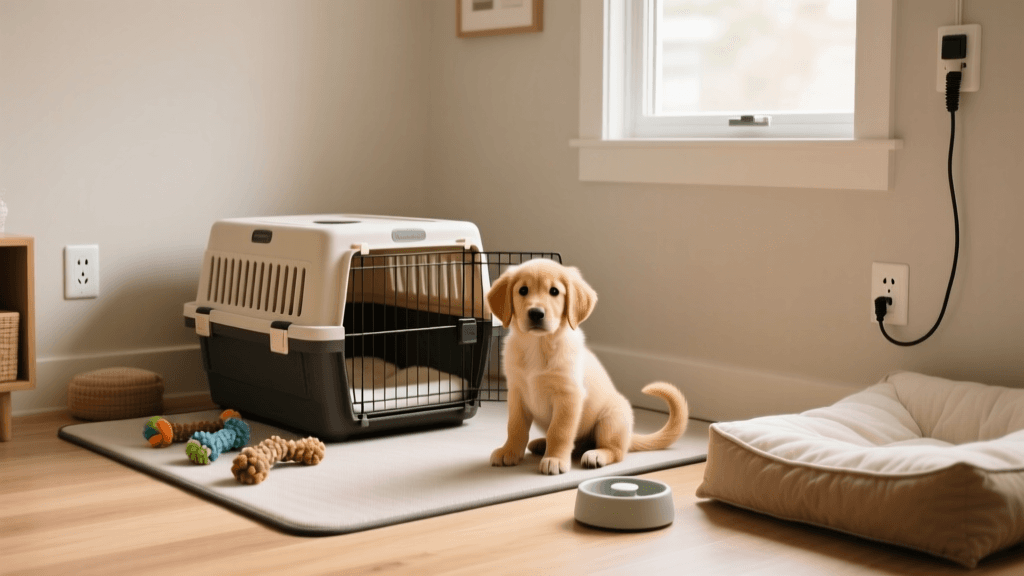
- Properly Sized Crate: For dogs who feel safer in a den, a hard-sided kennel secured with tie-down straps is ideal. The crate should be large enough for the dog to stand and turn around, but no more than 4 inches longer than their body length to prevent sliding during braking.
- Adaptil Transport Spray: This synthetic pheromone mimics the comforting scent of a nursing mother dog. Spray it on the dog's bedding or the car upholstery 15 minutes before loading the dog. Cost: $25-$30 per bottle.
- Window Shades: Rapidly passing scenery can cause visual overstimulation and worsen the sensory mismatch in the inner ear. Mesh window shades ($15-$20) block the horizon line while still allowing for airflow.
Comparison Chart: Car Sickness vs. Anxiety Solutions
| Issue | Primary Symptoms | Medical Solution | Behavioral Solution | Estimated Cost |
|---|---|---|---|---|
| Physiological Motion Sickness | Drooling, vomiting, lethargy, lip smacking | Cerenia, Dramamine | Visual blocking (window shades), forward-facing positioning | $10 - $50 |
| Psychological Travel Anxiety | Panting, trembling, hiding, refusal to enter | Trazodone, Gabapentin | Counter-conditioning, positive destination association | $15 - $60 |
| Sensory Overstimulation | Barking at passing cars, pacing, whining | Mild sedatives (if severe) | Crash-tested harness, crate covering, calming pheromones | $25 - $110 |
The Pre-Trip Checklist for a Smooth Ride
Preparation is just as critical as the training itself. Follow this checklist 24 hours before and on the day of your trip to minimize the risk of distress.
- Fasting Protocol: Withhold food for 3 to 4 hours before the trip. A full stomach significantly increases the likelihood and severity of vomiting. Water should remain available, but remove the bowl 1 hour before departure to prevent a sloshing stomach.
- Exercise First: A tired dog is a calm dog. Engage in 30 to 45 minutes of vigorous exercise (fetch, running, or a long sniffari) before loading them into the car. This burns off excess adrenaline that could otherwise manifest as anxiety.
- Temperature Control: Pre-cool or pre-heat the vehicle. The ideal cabin temperature for a traveling dog is between 68°F and 72°F (20°C - 22°C). Ensure the air vents are directed toward the dog to provide a steady stream of fresh, circulating air, which helps alleviate nausea.
- Potty Break: Take your dog for a final bathroom break 15 minutes before loading them into the vehicle to ensure physical comfort.
- Secure the Scent: Bring a familiar blanket or an unwashed t-shirt that smells like you. Familiar scents ground the dog and reduce environmental stress in a moving, vibrating space.
By accurately diagnosing whether your dog is suffering from inner-ear motion sickness or psychological anxiety, you can tailor a multi-faceted approach combining veterinary science, specialized gear, and compassionate behavioral training. With consistency and the right tools, the car will transform from a chamber of dread into the gateway to your dog's favorite adventures.
tom-renshaw
All our authors care for dogs every day — read more of their work on the authors page.