Moving Cross-Country With A Senior Dog: 2026 Guide
Moving with an aging pup? Read our 2026 guide to cross-country relocation with a senior dog, featuring travel gear, vet tips, and stress-free routines.
The Unique Challenges of Senior Relocation
Moving across the country is a monumental life transition for any pet owner, but when your companion is a senior dog, the stakes are significantly higher. As we navigate the shifting remote-work and lifestyle landscapes of 2026, cross-country relocations have become increasingly common. However, aging dogs—typically those over the age of seven, depending on the breed—face unique physiological and cognitive hurdles during major environmental shifts. Joint stiffness, decreased sensory perception, and potential canine cognitive dysfunction (CCD) mean that a chaotic moving day can trigger severe anxiety and physical setbacks.
According to the AAHA's senior pet care guidelines, older dogs thrive on predictability and routine. Disrupting their environment requires a meticulously planned, phased approach that prioritizes their physical comfort and mental decompression. This comprehensive 2026 guide will walk you through the exact steps, veterinary preparations, and specialized gear required to execute a seamless cross-country move with your aging best friend.
Phase 1: Pre-Move Veterinary Preparation (60 Days Out)
Two months before your departure, schedule a comprehensive senior wellness exam with your veterinarian. The goal of this visit is to establish a baseline of your dog’s current health and address any underlying conditions that could be exacerbated by the stress of travel.
Health Certificates and Digital Records
If your cross-country journey involves air travel or crossing certain state lines, a recent health certificate is mandatory. Even if you are driving, having a hard copy and a digitally accessible version of your dog’s medical records is crucial. In 2026, most veterinary networks utilize unified cloud-based portals, allowing you to grant temporary access to emergency vets along your route. Ensure your dog’s microchip information is updated with your new address and a secondary emergency contact before you even pack the first box.
Medication and Supplement Refills
Travel delays happen. Request a 60-day surplus of all prescription medications, joint supplements (like glucosamine or green-lipped mussel extract), and anxiety management medications. If your dog is on a specialized prescription diet, secure an adequate supply or confirm that the specific formula is readily available at veterinary clinics near your new zip code.
Phase 2: Desensitization and Packing (30 Days Out)
The ASPCA guidelines on pet travel strongly emphasize the importance of acclimating pets to their travel gear well before the departure date. For a senior dog, this acclimation period is non-negotiable.
Introducing Travel Gear
If your dog will be traveling in a crate, leave it open in the living room with their favorite orthopedic pad inside. Feed them their meals in the crate and offer high-value treats to build a positive association. If you are using a car harness or a specialized ramp, begin training sessions in the driveway. Senior dogs with arthritis or hip dysplasia need time to build the confidence and muscle memory required to use a ramp safely without slipping.
The "Leave It" Packing Strategy
Do not pack your dog’s essential comfort items. The unwashed dog bed, the worn-out blanket, and the favorite chew toys should remain accessible until the exact moment you walk out the door. The familiar scent of these items provides a crucial anchor of stability amidst the chaos of moving boxes and unfamiliar furniture movers.
Phase 3: The Journey and In-Transit Care
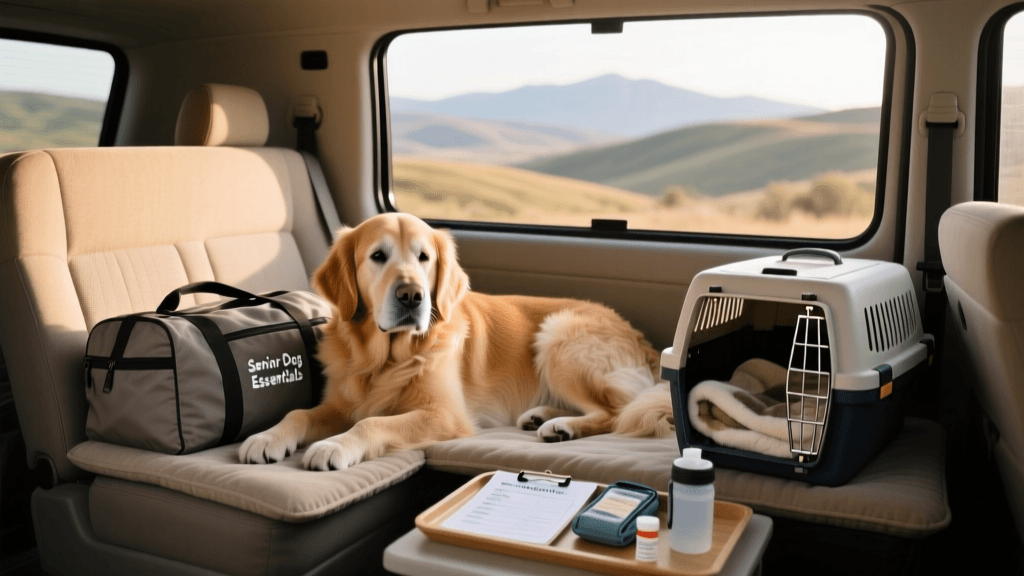
For senior dogs, driving is almost always preferable to flying, as it allows for climate control, frequent breaks, and immediate access to your pet. Plan your route around pet-friendly hotels that cater specifically to aging dogs, avoiding properties with excessive stairs or slippery lobby floors.
Hydration and Mobility Breaks
Older dogs dehydrate faster and are more susceptible to urinary tract issues if they hold their bladder for too long. Schedule a 15-minute break every three to four hours. Use a collapsible silicone bowl and offer water infused with low-sodium bone broth to encourage drinking. During these breaks, encourage gentle walking to prevent joint stiffness and promote circulation.
Climate and Sensory Management
Senior dogs struggle with thermoregulation. Keep the car’s climate control set to a comfortable 68°F to 72°F (20°C to 22°C). If your dog is prone to anxiety, utilize a pheromone spray like Adaptil on their bedding 15 minutes before they enter the vehicle. Play classical music or specialized canine calming playlists at a low volume to mask the stressful sounds of highway traffic.
2026 Senior Dog Travel Gear Comparison
Investing in the right gear can mean the difference between a traumatic road trip and a comfortable journey. Below is a comparison of top-rated travel products for senior dogs currently dominating the market in 2026.
| Product (2026 Models) | Category | Best For | Est. Price |
|---|---|---|---|
| PetSafe Happy Ride Extra Long Telescoping Ramp | Mobility | Large SUVs and high-clearance trucks; reduces joint strain | $180 |
| Kuranda All Aluminum Chewproof Elevated Bed | Rest | Joint relief, airflow, and easy ingress/egress | $220 |
| Tractive GPS 5 Tracker | Safety | Real-time cross-country tracking with 2026 LTE-M networks | $50 + Sub |
| Ruffwear Load Up Harness | Restraint | Crash-tested car travel security for arthritic dogs | $90 |
Phase 4: Arrival and the Basecamp Decompression Method
When you finally arrive at your new home, your instinct might be to let your dog explore and claim their new territory. Resist this urge. For a senior dog, a massive, unfamiliar space filled with new smells and echoing acoustics is deeply overwhelming. Instead, employ the Basecamp Method.
Setting Up Basecamp
Before bringing your dog inside, set up a single, quiet room (like a spare bedroom or a large bathroom) with all their familiar items: their unwashed bed, water bowl, food, and toys. This room becomes their "Basecamp." When your dog enters the house, lead them directly to this room. This drastically reduces the cognitive load required to process a new environment.
Gradual Expansion
Allow your dog to decompress in Basecamp for the first 48 to 72 hours. Take them outside on a leash for potty breaks, always returning to the safety of Basecamp. Once you observe relaxed body language, normal eating habits, and restful sleep, begin opening the door to allow them to explore one adjacent room at a time, always under your supervision.
Phase 5: Managing Cognitive Dysfunction in New Spaces
Canine Cognitive Dysfunction (CCD) is akin to dementia in humans. The American Kennel Club's senior dog health resources note that environmental changes can severely exacerbate CCD symptoms, leading to disorientation, pacing, and nighttime waking.
Sensory Anchors and Lighting
If your dog exhibits signs of CCD, maintain a strict furniture layout in their primary living areas to help them build a mental map. Use scent anchors—placing a drop of dog-safe lavender oil or their own pheromones on doorframes can help them navigate. Furthermore, senior dogs often suffer from declining night vision. Plug in motion-sensor LED nightlights along the hallway leading from their bed to the backyard door to prevent nighttime disorientation and accidents.
Telehealth Follow-Ups
Within the first week of arrival, schedule a telehealth check-in with your new local veterinarian. This allows the vet to assess your dog’s stress levels, adjust any anxiety medications if necessary, and establish a relationship without the stress of an immediate physical clinic visit.
Conclusion
Relocating cross-country with a senior dog requires patience, empathy, and strategic planning. By leveraging modern 2026 travel gear, adhering to veterinary best practices, and utilizing the Basecamp decompression method, you can protect your aging dog’s physical health and emotional well-being. Your dog has spent their life providing you with comfort and stability; taking the extra time to manage this major life transition ensures they can enjoy their golden years in their new home with the peace they deserve.
aaron-whyte
All our authors care for dogs every day — read more of their work on the authors page.