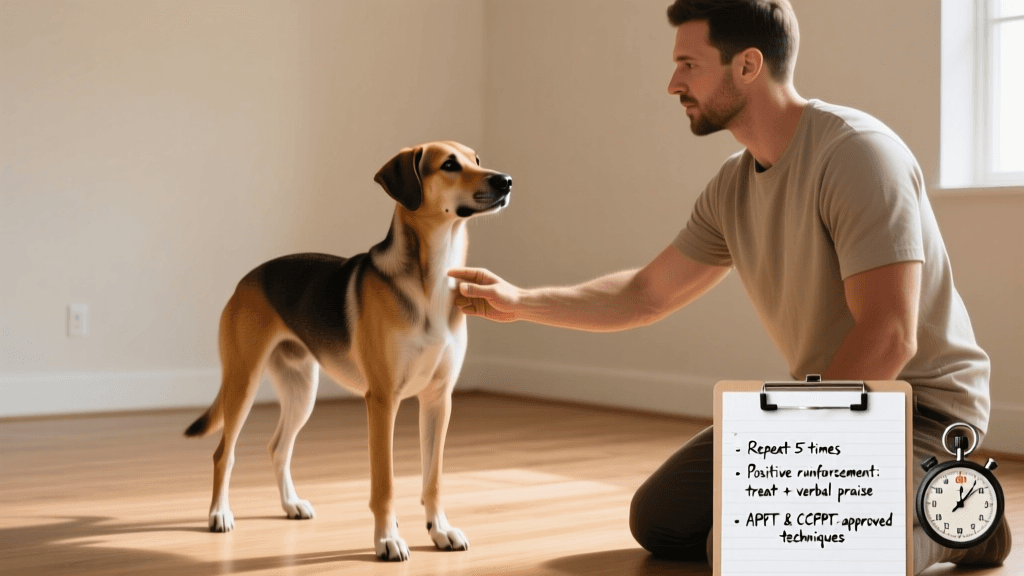
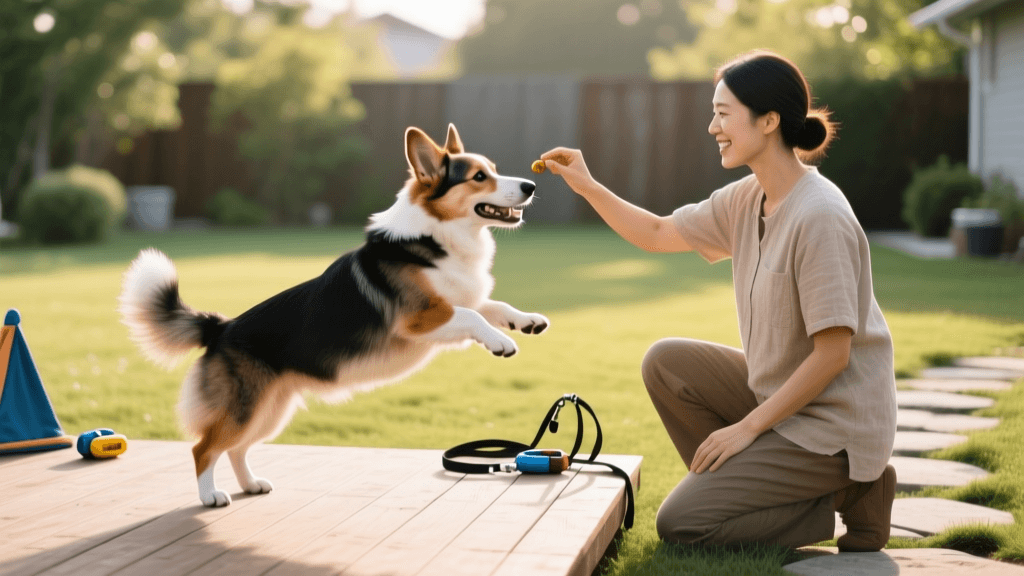
Step-by-Step Guide to Crate Training a Rescue Dog
Learn how to crate train a rescue dog with our step-by-step guide. Discover timelines, crate sizing, and positive reinforcement techniques for success.
Welcoming a Rescue Dog: The Importance of Crate Training
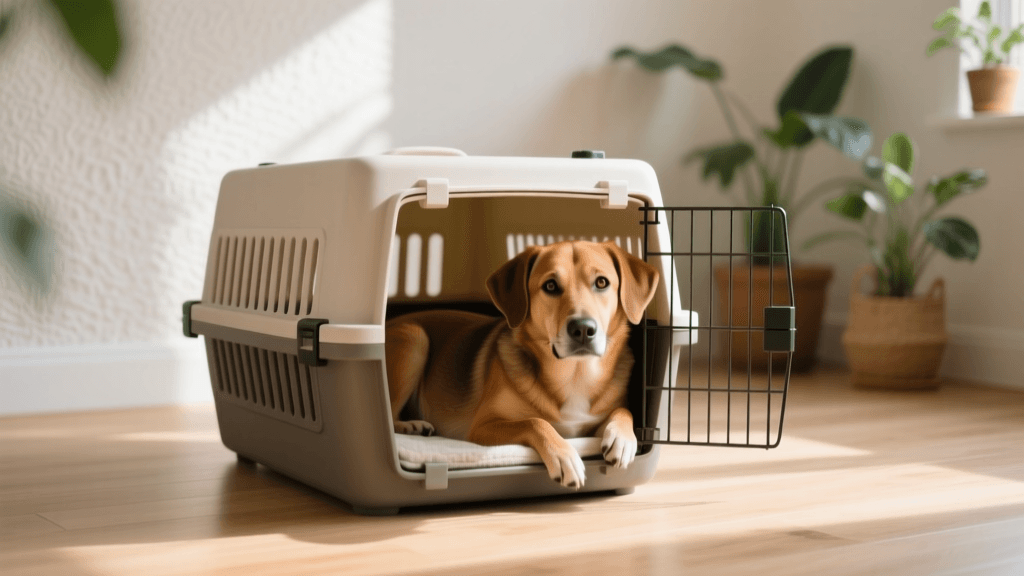
Welcoming a rescue dog into your home is a profoundly rewarding experience, but it also comes with unique behavioral challenges. Many rescue dogs have experienced trauma, neglect, or frequent environmental changes, making them prone to anxiety and insecurity. Establishing a safe, predictable environment is critical during the first few weeks of adoption. One of the most effective tools for providing this security is the crate. When introduced correctly, a crate becomes a personal sanctuary rather than a place of confinement.
According to the ASPCA, crate training taps into a dog's natural denning instinct. For a rescue dog, this den represents a controlled space where they can decompress away from the overwhelming stimuli of a new home. Furthermore, crate training is essential for housebreaking, preventing destructive behavior when unsupervised, and ensuring your dog's safety during travel or veterinary visits. This comprehensive, step-by-step guide will walk you through the exact timeline, gear, and behavioral conditioning techniques required to successfully crate train your rescue dog.
Choosing the Right Crate: Sizes, Types, and Costs
Before beginning the training process, you must select the appropriate crate. A crate that is too large can encourage a dog to eliminate in one corner and sleep in the other, while a crate that is too small will cause physical discomfort and increase confinement distress.
Proper Sizing Measurements
To find the perfect fit, measure your dog from the tip of their nose to the base of their tail, and then add 2 to 4 inches. Next, measure from the top of their head (or ears, if they are erect) to the floor, and add 2 to 4 inches. The dog should be able to stand up without crouching, turn around completely, and lie down with their legs extended. For growing puppies or dogs whose final size is unknown, purchase a wire crate with an adjustable divider panel.
Comparing Crate Types
| Crate Type | Best For | Pros | Cons | Average Cost |
|---|---|---|---|---|
| Wire Crate | Most dogs, home use, training | Excellent ventilation, visibility, foldable for storage, adjustable dividers | Heavy, not ideal for air travel, can feel less 'den-like' | $40 - $90 |
| Plastic Kennel | Travel, dogs preferring enclosed spaces | Airline approved, cozy, secure, blocks visual stimuli | Less ventilation, bulky to store, harder to clean | $50 - $130 |
| Soft-Sided | Small dogs, car travel, fully trained dogs | Lightweight, highly portable, easy to store | Easily destroyed by chewers, difficult to sanitize | $30 - $70 |
For rescue dogs undergoing initial behavioral conditioning, a heavy-duty wire crate like the MidWest Homes for Pets iCrate ($45 - $75) is highly recommended. It allows the dog to observe their surroundings, which reduces the feeling of isolation, and it is easy to clean in case of accidents.
Essential Gear for Crate Training Success
Success in crate training relies heavily on positive reinforcement. You will need to invest in a few specific products to create a positive association with the crate:
- High-Value Treats: Use soft, aromatic treats like Zuke's Mini Naturals or freeze-dried beef liver ($8 - $15 per bag). These are ideal for rapid reward delivery.
- Interactive Food Toys: The KONG Classic Dog Toy ($15 - $25) is indispensable. Stuffing a KONG keeps the dog mentally engaged and associates the crate with a rewarding activity.
- Calming Aids: For anxious rescues, the SmartPetLove Snuggle Puppy ($39.99) features a simulated heartbeat and heat pack that mimics the presence of a littermate, significantly reducing nighttime whining.
- Enzymatic Cleaner: Accidents will happen. An enzymatic cleaner like Nature's Miracle ($10 - $15) is required to completely break down uric acid and prevent repeat offenses.
Step-by-Step Crate Training Timeline
Rescue dogs require patience. Do not rush the timeline; let your dog's body language dictate the pace. The following schedule assumes a moderate adjustment period, but some traumatized dogs may require double the time in each phase.
Phase 1: Introduction and Positive Association (Days 1-3)
The goal of Phase 1 is to make the crate the most exciting place in the house. Place the crate in a high-traffic family area, like the living room, with the door secured open. Toss high-value treats inside the crate. When the dog enters to retrieve the treat, offer verbal praise. Do not close the door. Feed your dog their regular meals near the crate, gradually moving the food bowl further inside with each meal. By the end of Day 3, your dog should be entering the crate voluntarily to search for treats or eat their meals.
Phase 2: Closing the Door (Days 4-7)
Once your dog is comfortably eating inside the crate, begin closing the door during meals. Start by closing the door while they eat, and immediately opening it when they finish. Gradually increase the time the door remains closed after the meal by 1-minute increments. Introduce a stuffed KONG toy during this phase. Give the KONG only when they are inside the crate. This builds a strong psychological link: Crate equals delicious, long-lasting rewards. If the dog whines, do not open the door immediately, as this rewards the vocalization. Wait for a brief moment of silence before releasing them.
Phase 3: Building Duration and Distance (Weeks 2-4)
Now, begin leaving the dog in the crate for longer periods while you remain in the room. Start with 10-minute intervals while you read or watch television. Slowly increase this to 30 minutes, then an hour. Once the dog is relaxed for 30 minutes with you in the room, begin practicing short departures. Give the command 'kennel', provide a KONG, and leave the room for 5 minutes. Return quietly without making a fuss. Gradually extend your absences to 15 minutes, 30 minutes, and eventually a few hours. The American Kennel Club emphasizes that keeping arrivals and departures low-key prevents the dog from viewing the crate as a precursor to the anxiety of abandonment.
Nighttime Crate Training Routine
Nighttime can be particularly difficult for rescue dogs due to the silence and isolation. Implement this structured nightly routine to promote restful sleep:
- Evening Exercise: Provide 30-45 minutes of physical and mental exercise (like sniffari walks or puzzle toys) two hours before bed to ensure they are tired.
- Potty Break: Take the dog outside for a final bathroom break immediately before crating.
- Environment Control: Cover the wire crate with a breathable blanket to create a den-like atmosphere and block visual triggers. Use a white noise machine or a fan to drown out household or neighborhood sounds.
- Comfort Items: Place the Snuggle Puppy and a piece of your worn clothing inside the crate to provide familiar, comforting scents.
- Midnight Potty: For the first two weeks, set an alarm for 3-4 hours after bedtime to take the dog outside. Keep this trip strictly business: leash on, outside, potty, and immediately back into the crate with no play or extra affection.
Troubleshooting Common Rescue Dog Crate Issues
It is vital to distinguish between normal protest whining and genuine panic. According to Best Friends Animal Society, understanding the '3-3-3 Rule' of rescue dog decompression is crucial. A dog may take 3 days to decompress, 3 weeks to learn your routine, and 3 months to truly feel at home. During the first 3 days, mild whining is a normal protest to a change in routine.
However, if your dog is panting heavily, drooling excessively, throwing their body against the crate, or breaking teeth on the wire, they are experiencing confinement distress or severe separation anxiety. In these cases, forcing the dog to 'cry it out' will only deepen the trauma. Immediately stop the crate training process, consult with a certified professional dog trainer (CPDT-KA) or a veterinary behaviorist (costing roughly $150 - $250 per consultation), and explore alternative management strategies like exercise pens or dog-proofed rooms while you work on desensitization protocols.
Conclusion
Crate training a rescue dog is a marathon, not a sprint. By selecting the right equipment, utilizing high-value positive reinforcement, and respecting your dog's emotional timeline, you can transform the crate from a scary cage into a beloved sanctuary. Consistency, patience, and empathy are your greatest tools in helping your rescue dog feel safe, secure, and truly at home.
beth-carrasco
All our authors care for dogs every day — read more of their work on the authors page.