Best Dog Car Harnesses for Safe Travel: 2024 Buyer Guide
Discover the best crash-tested dog car harnesses for safe travel. Compare top brands, safety ratings, and sizing tips for your next road trip.
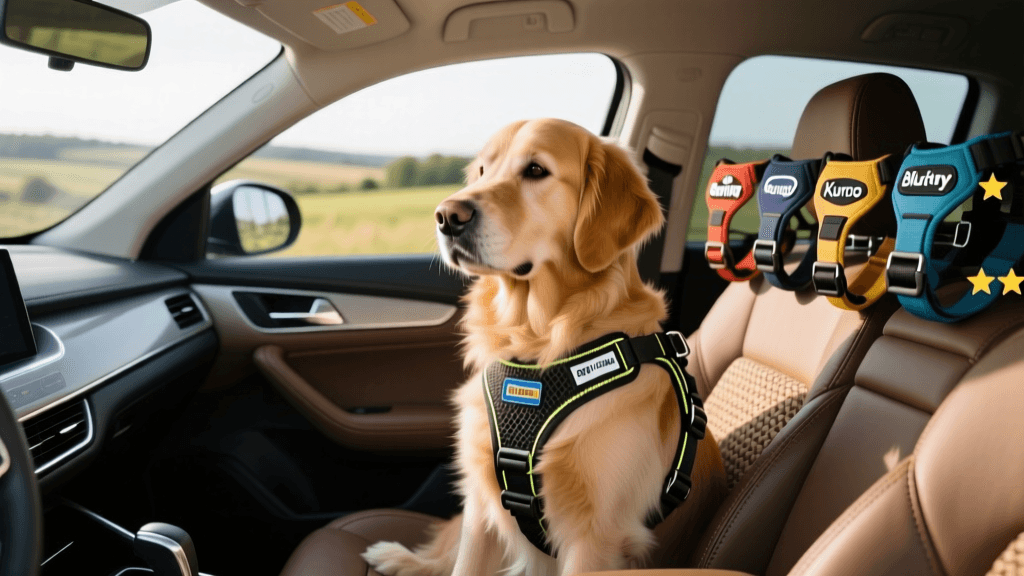
The Hidden Dangers of Unrestrained Dogs in Vehicles
Traveling with your dog is one of the greatest joys of pet ownership. Whether you are embarking on a cross-country road trip or simply heading to the local dog park, sharing your vehicle with your canine companion is a daily reality for millions of owners. However, the 'Life with Your Dog' experience must prioritize safety above all else. An unrestrained dog in a moving vehicle is not only a distraction but a severe safety hazard for both the pet and the human passengers.
According to a comprehensive AAA and Kurgo survey, nearly 60% of dog owners drive with their pets at least once a month, and a shocking majority admit to engaging in distracted driving behaviors caused by their dogs. These behaviors include reaching into the backseat to pet the dog, allowing the dog to climb into the front seat, or taking hands off the wheel to restrain a climbing pup.
The Physics of a Crash: In a collision at just 35 miles per hour, an unrestrained 60-pound dog turns into a 2,700-pound projectile. This immense force can be fatal to the dog and catastrophic for any human in the vehicle's path.
To mitigate these risks, a specialized, crash-tested car harness is an absolute necessity. Unlike standard walking harnesses, car harnesses are engineered with heavy-duty materials, reinforced stitching, and specialized tethering systems designed to absorb the kinetic energy of a sudden stop or collision.
Why Crash-Testing Matters: The CPS Standard
When shopping for a dog seatbelt, you will encounter dozens of products claiming to be 'safe' or 'crash-tested.' However, the pet industry lacks federally mandated safety standards for travel gear. This means any manufacturer can slap a 'crash-tested' label on a flimsy nylon harness without adhering to rigorous scientific protocols.
To find genuine safety, you must look for products certified by the Center for Pet Safety (CPS). The CPS is an independent, non-profit organization that conducts rigorous crash tests using specially designed canine crash-test dummies. They evaluate harnesses based on their ability to keep the dog securely in place, prevent dangerous rotation, and minimize the excursion (forward movement) during a simulated 30-mph collision. If a harness does not carry the official CPS Certification seal, its safety claims are largely unverified.
Top 3 Crash-Tested Dog Car Harnesses Reviewed
Based on CPS certifications, durability, comfort, and ease of use, here are the top-rated dog car harnesses on the market for safe travel.
1. Sleepypod Clickit Sport
The Sleepypod Clickit Sport is widely considered the gold standard in canine automotive safety. It was one of the first harnesses to pass the stringent CPS 5-star crash-test rating. The design features a broad, padded vest that distributes force across the dog's chest and shoulders, significantly reducing the risk of internal injuries during a sudden stop.
Pros:
- 5-star CPS safety rating.
- Energy-absorbing padded vest.
- Includes a two-point seatbelt tether that prevents lateral rotation.
- Can double as a walking harness.
Cons:
- The heavy-duty materials can cause overheating in very warm climates.
- Not ideal for deep-chested breeds like Greyhounds due to the vest shape.
2. Kurgo Tru-Fit Smart Harness (Enhanced Strength)
The Kurgo Tru-Fit Smart Harness is a favorite among budget-conscious buyers who refuse to compromise on safety. The 'Enhanced Strength' version features a steel nesting buckle system adapted from rock-climbing gear, ensuring the buckles will not shatter under extreme pressure. Kurgo provides a lifetime warranty against manufacturing defects, making it an incredible long-term investment.
Pros:
- Steel nesting buckles for extreme durability.
- Includes a 10-inch seatbelt tether with a carabiner.
- Front and back D-rings for no-pull walking.
- More breathable than the Sleepypod, making it better for summer travel.
Cons:
- While highly durable, the standard version did not achieve the top-tier CPS 5-star rating compared to the Sleepypod.
- The steel buckles add noticeable weight to the harness.
3. Ruffwear Load Up Harness
Ruffwear is a brand synonymous with outdoor adventure, and the Load Up Harness is built for rugged reliability. Designed in partnership with automotive safety engineers, this harness uses metal hardware throughout and features a low-profile design that is highly secure without being overly bulky. It is an excellent choice for anxious dogs who feel claustrophobic in heavily padded vest harnesses.
Pros:
- Low-profile, minimalist design reduces canine anxiety.
- All-metal hardware for maximum tensile strength.
- Highly adjustable for a custom, snug fit.
Cons:
- Lacks the thick energy-absorbing padding found on the Sleepypod.
- Strictly a car harness; not suitable for daily walking due to the placement of the leash attachment point.
Quick Comparison Chart: Top Dog Car Harnesses
| Brand & Model | CPS Rating | Best Feature | Ideal For | Approx. Price |
|---|---|---|---|---|
| Sleepypod Clickit Sport | 5-Star Certified | Energy-absorbing padded vest | Maximum safety & dual-use | $90 - $110 |
| Kurgo Tru-Fit Enhanced | Passed CPS Testing | Steel rock-climbing buckles | Budget-conscious buyers & hikers | $40 - $50 |
| Ruffwear Load Up | Passed CPS Testing | Low-profile minimalist fit | Anxious dogs & frequent travelers | $70 - $85 |
How to Measure Your Dog for a Car Harness
A car harness is only effective if it fits perfectly. A loose harness will allow dangerous excursion during a crash, while a tight harness can restrict breathing and cause chafing. Follow these steps to measure your dog accurately:
- Measure the Girth: Using a soft measuring tape, measure the deepest part of your dog's ribcage, just behind the front legs. This is the most critical measurement for crash safety.
- Measure the Neck: Measure the thickest part of the neck, usually right at the base where it meets the shoulders.
- Weigh Your Dog: Most CPS-certified harnesses have strict weight limits for their crash-test ratings. Ensure your dog's current weight falls within the manufacturer's specified range for the chosen size.
- The Two-Finger Rule: Once the harness is on, you should be able to slide exactly two fingers flat between the harness straps and your dog's body. Any looser, and it is unsafe for travel.
Best Practices for Safe Dog Car Travel
Equipping your dog with a crash-tested harness is the first step, but proper usage and general travel etiquette are equally important. According to travel guidelines published by the American Kennel Club (AKC), preparation and routine are key to a stress-free journey.
- Always Use the Back Seat: The front passenger seat is incredibly dangerous for dogs due to active airbags. An deploying airbag can easily be fatal to a canine. Always secure your dog in the back seat or the cargo area of an SUV (using a properly rated cargo barrier or tether).
- Acclimate Slowly: If your dog is new to wearing a car harness, let them wear it around the house for short periods with high-value treats. Progress to sitting in a parked car, then short drives around the block.
- Manage Motion Sickness: Keep the car cool, crack a window for fresh air, and avoid feeding your dog a heavy meal within two hours of travel. Consult your vet for anti-nausea medication if your dog is a severe car-sickness sufferer.
- Take Frequent Breaks: On long road trips, stop every two to three hours to allow your dog to hydrate, relieve themselves, and stretch their legs.
Frequently Asked Questions
Can I just use my regular walking harness in the car?
No. Standard walking harnesses are designed to handle the forward and lateral pulling force of a dog on a leash, not the massive kinetic energy of a vehicular collision. The stitching, buckles, and webbing on a walking harness will likely snap under crash forces, turning your dog into an unrestrained projectile.
Is a dog seatbelt tether enough without a harness?
Never attach a seatbelt tether directly to a dog's collar. In a sudden stop, the force applied to the neck can cause severe tracheal damage, spinal injuries, or strangulation. A tether must always be attached to a crash-tested body harness that distributes the force across the chest and shoulders.
What if my dog chews through the seatbelt tether?
If you have a heavy chewer, the nylon webbing of a seatbelt tether is vulnerable. Look for harnesses that offer a steel-braided cable tether upgrade, or use a chew-proof wire rope tether coated in heavy-duty plastic. Always supervise your dog while they are tethered in the vehicle.
Final Thoughts on Canine Automotive Safety
Integrating a crash-tested car harness into your daily routine is a non-negotiable aspect of responsible dog ownership. While the upfront cost of a premium harness like the Sleepypod Clickit Sport or Kurgo Tru-Fit may seem high, it is a minor investment compared to the priceless value of your dog's life and the safety of your family. By choosing CPS-certified gear, measuring accurately, and following safe travel protocols, you ensure that every adventure with your best friend is as safe as it is memorable.
tom-renshaw
All our authors care for dogs every day — read more of their work on the authors page.