Decompression Walks: A Behaviorist Guide to Sniffaris
Learn how decompression walks, or sniffaris, reduce canine anxiety. Expert behavior analysis, gear tips, and routines for a calmer dog.
The Paradigm Shift: From Structured Heeling to Decompression
For decades, the traditional dog training paradigm emphasized the structured walk. Dogs were expected to heel perfectly at their owner's left side, ignoring the environment and maintaining unwavering eye contact. While loose-leash walking and heel commands have their place in obedience training and high-traffic urban navigation, modern veterinary behaviorists and certified applied animal behaviorists (CAABs) recognize that an exclusive diet of structured walks can actually contribute to chronic canine stress, leash reactivity, and hyperarousal.
Enter the "Sniffari," or decompression walk. This approach to daily canine exercise prioritizes environmental enrichment, olfactory engagement, and autonomic nervous system regulation over physical mileage. From a behavior analysis perspective, a decompression walk is not merely "letting the dog do whatever they want"; it is a carefully managed protocol designed to lower cortisol levels, engage the parasympathetic nervous system, and provide functional reinforcement for calm, exploratory behaviors.
The Neurology of Sniffing: Why Olfactory Enrichment Works
To understand why decompression walks are so effective, we must look at canine neuroanatomy. A dog's brain is hardwired for scent. While the human olfactory bulb accounts for a fraction of a percent of our total brain mass, a dog's olfactory bulb is proportionally massive, boasting up to 300 million olfactory receptors compared to our mere 6 million. When a dog sniffs, they are not just smelling; they are processing complex chemical data about the environment, other animals, and time itself.
According to the American Kennel Club, allowing dogs to sniff on walks provides critical mental stimulation that physical exercise alone cannot achieve. The act of deep, rhythmic sniffing has a direct physiological impact: it lowers the dog's heart rate and encourages the release of dopamine and endorphins. In behavior modification terms, sniffing is an incompatible behavior with high-arousal reactivity. A dog cannot simultaneously process complex scent trails and maintain the hyper-vigilant, adrenaline-fueled state required to lunge at a passing bicycle or bark at a neighboring dog.
Essential Gear for the Decompression Walk
Executing a proper Sniffari requires specific equipment that prioritizes safety, comfort, and freedom of movement. Standard 4-to-6-foot nylon leashes and restrictive chest harnesses are counterproductive to the goals of a decompression walk.
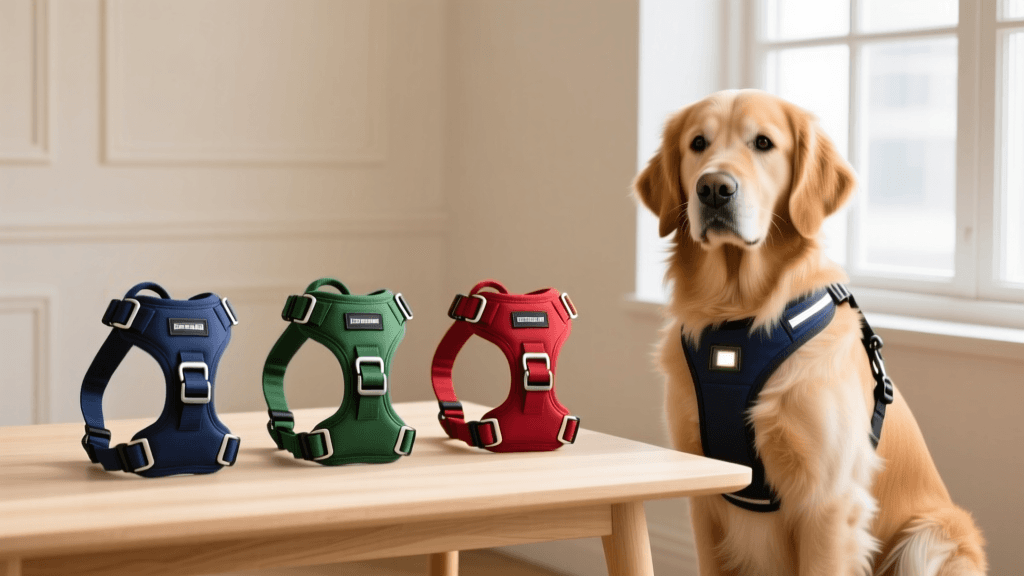
- The Y-Front Harness: You need a harness that allows full extension of the shoulder joints. The Ruffwear Front Range Harness (approx. $39.95) or the Perfect Fit Harness (approx. $65.00) are excellent choices. Avoid harnesses with horizontal chest straps that impede the dog's natural gait and cause biomechanical stress over time.
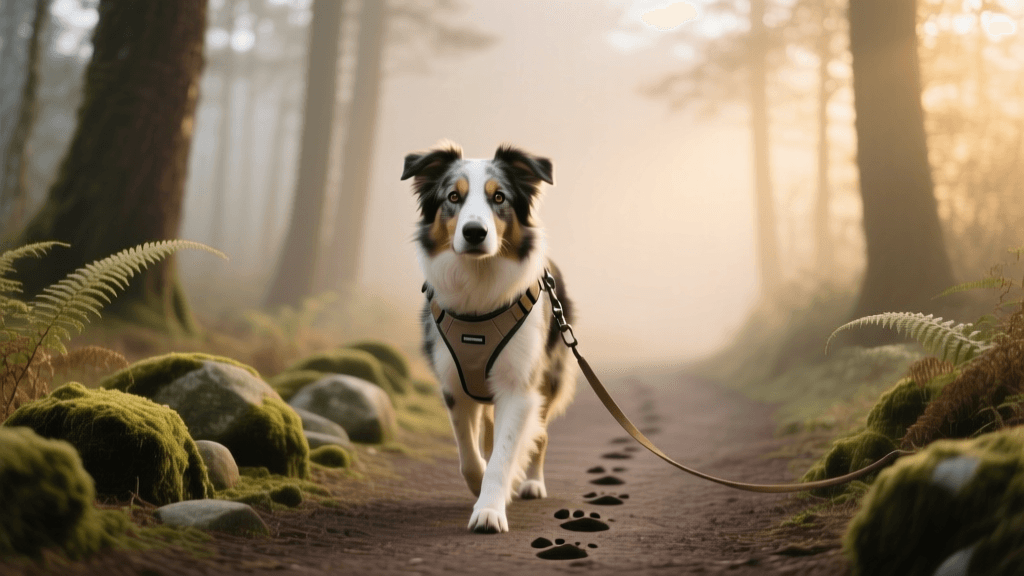
- The Biothane Long Line: A 15-to-30-foot long line is non-negotiable for true decompression. Biothane is the gold standard material. Unlike nylon, it does not absorb water, collect burrs, or cause rope burn if it slips through your hands. A 1/2-inch width, 20-foot Biothane leash (approx. $35.00 - $50.00) provides the perfect balance of autonomy and safety. It allows the dog to create distance from you, which is vital for building confidence in anxious dogs.
- The Treat Pouch: While the primary reinforcement on a Sniffari is the environment itself (sniffing), you still need high-value treats for emergency recalls or to scatter-feed a dog who is too anxious to sniff naturally. The Ruffwear Treat Trader (approx. $29.95) features a magnetic closure that allows for rapid, silent access to food without the crinkling noise that can startle nervous dogs.
Step-by-Step Protocol for a Successful Sniffari
A decompression walk requires intentional setup. You cannot achieve behavioral decompression in a high-traffic area with heavy pedestrian flow and off-leash dogs.
- Location Scouting: Select a low-stimulus environment. Overgrown fields, quiet wooded trails, or even a grassy retention pond in a quiet suburb are ideal. The goal is an area rich in organic scent markers (urine, wildlife trails, decaying vegetation) but low in visual triggers.
- The Transition Cue: Begin the walk with a structured heel from your car or front door to the decompression zone. This builds impulse control and keeps you safe near roads. Once you reach the designated area, use a specific release cue, such as "Go Sniff" or "Free," paired with unclipping the short leash and attaching the 20-foot long line.
- Leash Handling: Your job is to become a passive anchor. Hold the long line loosely, allowing it to drag on the ground if the environment is entirely enclosed and safe, or keep a loose "J" curve in the line. Avoid sudden tension. If the dog pulls to the end of the line, simply stop walking and wait for them to release the tension before following them.
- Duration and Timing: A 20-to-30-minute Sniffari provides the same amount of mental fatigue as a 60-minute structured run. Look for "heavy" panting, deep sighs, and a relaxed, low tail carriage as indicators that the dog has reached a state of parasympathetic rest.
Comparison: Structured Walk vs. Decompression Walk
Understanding the behavioral and physiological differences between these two types of exercise is crucial for designing a balanced weekly routine for your dog.
| Feature | Structured Heel Walk | Decompression Walk (Sniffari) |
|---|---|---|
| Primary Sense Engaged | Visual / Auditory (Focus on Handler) | Olfactory (Focus on Environment) |
| Leash Tension | Consistent, Short, Zero Tension | Variable, Long, Fluid Movement |
| Heart Rate Trend | Elevated (Physical Exertion) | Lowers Over Time (Calming Effect) |
| Primary Behavioral Goal | Impulse Control, Obedience, Safety | Stress Reduction, Confidence Building |
| Ideal Environment | Urban Sidewalks, High-Traffic Areas | Fields, Woods, Quiet Nature Trails |
Reading Canine Body Language: The Behaviorist's Lens
During a Sniffari, your primary role shifts from "trainer" to "observer." Expert behavior analysis relies heavily on reading subtle canine body language to assess stress thresholds. As your dog explores, watch for "calming signals"—a term popularized by canine behavior expert Turid Rugaas. These signals indicate that the dog is processing environmental stress and attempting to self-soothe.
Common calming signals you will observe during a decompression walk include:
- The Shake-Off: If your dog suddenly stops sniffing and vigorously shakes their entire body (as if wet), they are actively shedding accumulated adrenaline and cortisol. This is a highly positive sign of stress release.
- Curving: Dogs naturally move in arcs rather than straight lines. A dog that curves around a tree or approaches a scent mark in a wide arc is displaying polite, non-threatening, and relaxed body language.
- Slow Blinking and Yawning: If a distant noise occurs (like a far-off lawnmower) and your dog pauses, yawns, and slow-blinks before returning to sniffing, they are successfully self-regulating their arousal levels.
Organizations like Fear Free Happy Homes heavily emphasize the importance of observing these subtle behavioral shifts to ensure that enrichment activities are genuinely reducing fear and anxiety rather than inadvertently triggering it.
Troubleshooting Common Behavioral Roadblocks
Transitioning a high-arousal or anxious dog to a decompression walk is rarely seamless. Here are evidence-based solutions to common challenges:
Roadblock 1: The Dog Paces and Refuses to Sniff
Analysis: The dog is over their stress threshold. Their sympathetic nervous system (fight or flight) is overriding their ability to engage in foraging behaviors. Sniffing requires a baseline of safety.
Solution: Implement "Scatter Feeding." Toss a handful of high-value, strong-smelling treats (like freeze-dried liver or boiled chicken) into the grass. The scent of the food will artificially trigger the foraging sequence, which in turn lowers the heart rate and encourages the dog to put their nose to the ground. Once they are eating off the grass, they will often begin investigating the environmental scents nearby.
Roadblock 2: Leash Tangling and Frustration
Analysis: The handler is micromanaging the 20-foot line, creating accidental tension and frustration, which transfers down the leash to the dog, ruining the decompressive effect.
Solution: Practice "Leash Folding." Hold the excess Biothane line in large, manageable loops in your non-dominant hand rather than wrapping it around your wrist or letting it drag through mud. Step on the line gently with your foot to create a temporary anchor if the dog spots a distant trigger, allowing you to manage their space without jerking their harness.
Roadblock 3: The Dog Finds a Dead Animal or Hazard
Analysis: The environment is uncontrolled, and the dog has accessed an unsafe or highly reinforcing but undesirable item (e.g., garbage, feces, carrion).
Solution: Train a robust "Drop It" or "Leave It" cue in low-distraction environments first. On the Sniffari, always carry a high-value trade item (like a squeaky toy or a tube of meat-based lick paste). If the dog finds something dangerous, do not chase them (which triggers a game of keep-away). Instead, cheerfully offer the trade item from a distance, rewarding the dog heavily for abandoning the hazard.
Integrating the Sniffari into Your Weekly Routine
The Humane Society of the United States notes that varying your dog's walking routine is essential for their overall well-being and behavioral health. A balanced weekly routine for an average adult dog might look like this:
- Monday - Wednesday: 30-minute structured neighborhood walks focusing on loose-leash skills and impulse control at crosswalks.
- Thursday: 20-minute evening Sniffari in a quiet local field to decompress from the work week.
- Friday: Rest day with indoor scent-work games or a frozen Kong.
- Saturday: 45-minute deep-woods hiking Sniffari (off-leash if legally permitted and recall is reliable, or on a 30-foot line).
- Sunday: 20-minute structured walk followed by a 15-minute decompression session in the backyard.
By shifting your perspective from "walking the dog" to "facilitating canine enrichment," you will likely see a profound decrease in household destruction, leash reactivity, and attention-seeking behaviors. The Sniffari is not just a walk; it is a daily behavioral therapy session that honors your dog's evolutionary biology and promotes a deeper, more empathetic bond between human and hound.
beth-carrasco
All our authors care for dogs every day — read more of their work on the authors page.