Cost Of Owning A Dog First Year Breakdown Guide
Learn about cost of owning a dog first year breakdown guide with expert tips and data-backed advice.
First-Year Financial Commitment: Beyond the Adoption Fee
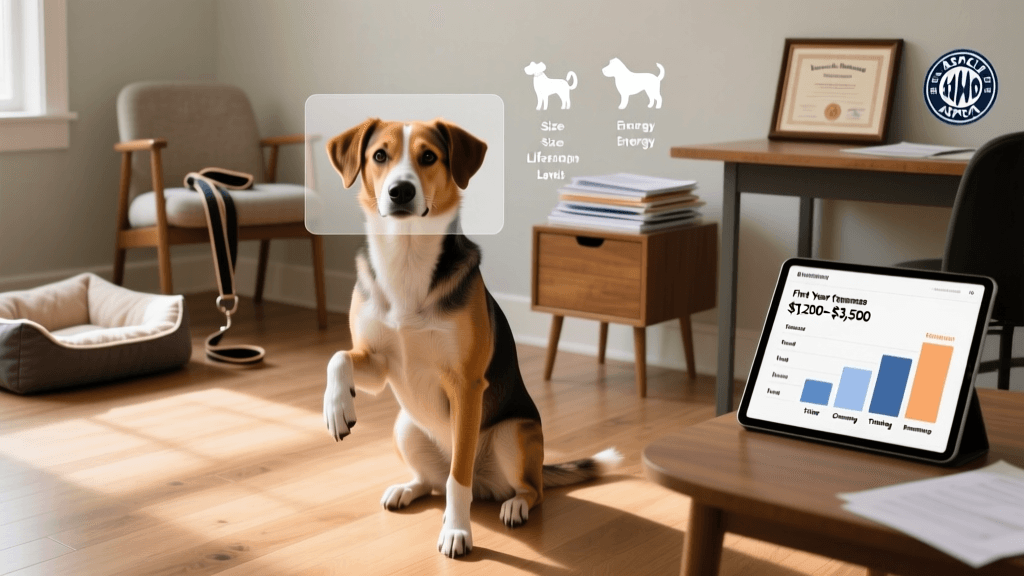
Bringing a dog into your home is emotionally rewarding—but it’s also a significant financial responsibility. The American Kennel Club (AKC) reports that the average first-year cost of dog ownership ranges from $2,700 to $4,200, depending on breed, size, and geographic location (AKC, 2023). This figure includes essential medical care, training, supplies, and unexpected expenses—not just the initial adoption or purchase price. For example, adopting from the Humane Society of New York typically costs $350–$550, while purchasing a purebred Labrador Retriever from a reputable breeder in Portland, Oregon may exceed $2,800. These upfront figures represent only 10–20% of total first-year spending.
Veterinary Expenses: Preventive Care and Emergency Readiness
Preventive veterinary care forms the backbone of responsible dog ownership. Puppies require three rounds of core vaccinations (DHPP and rabies), costing $75–$120 per visit at clinics like Banfield Pet Hospital. Spaying or neutering averages $250–$550, though low-cost options exist through shelters such as the ASPCA Mobile Clinic in Los Angeles, which offers procedures for $110–$195. Flea, tick, and heartworm prevention adds another $300–$600 annually—especially critical in high-risk regions like Florida, where heartworm incidence exceeds 20% in untreated dogs (ASPCA, 2022).
Annual Vaccination Schedule by Age
- 6–8 weeks: DHPP (distemper, hepatitis, parvovirus, parainfluenza)
- 10–12 weeks: Second DHPP + Bordetella
- 14–16 weeks: Final DHPP + Rabies + Leptospirosis
- 6 months: First heartworm test + monthly preventives initiated
Emergency Preparedness Fund
Unexpected incidents—ingestion of toxins, ligament tears, or gastrointestinal obstructions—can incur $1,200–$5,000 in emergency care. A 2021 study by the University of Pennsylvania School of Veterinary Medicine found that 68% of new dog owners underestimated emergency costs by at least $1,800. Setting aside a dedicated $2,500 fund before adoption is strongly advised.
Breed-Specific Considerations: Size, Lifespan, and Health Risks
Breed selection directly impacts long-term costs. Large breeds like Great Danes have higher food and medication dosages—annual kibble expenses average $720 versus $480 for a Beagle. According to data from the Orthopedic Foundation for Animals (OFA), 74% of German Shepherds develop hip dysplasia by age 5, leading to potential $3,500–$6,000 in surgical intervention. Conversely, mixed-breed dogs adopted from the San Francisco SPCA show 35% lower incidence of hereditary conditions than purebreds, reinforcing the health advantages of shelter adoption.
Five Key Breed Cost Metrics
- Average annual food cost for a 60-lb dog: $690
- Estimated lifetime veterinary spend for a Cavalier King Charles Spaniel: $18,400
- Median lifespan of a Dachshund: 12.7 years (UK Kennel Club, 2022)
- Percentage of shelter dogs under age 2: 41% (ASPCA National Shelter Statistics, 2023)
- Cost of professional obedience training (6-week group course): $220–$380
Adoption vs. Breeder Acquisition: Transparency and Ethics
Adopting from a rescue organisation provides medical transparency and behavioural assessments often absent in commercial breeding. The AKC requires registered breeders to provide health clearances for hips, eyes, and cardiac function—yet only 42% of online puppy sellers comply with these standards (AKC, 2023). In contrast, organisations like the Greyhound Rescue of America conduct full orthopaedic evaluations and disclose all known health history prior to placement. Adopting from the Austin Animal Center includes microchipping, vaccinations, and a 30-day pet insurance policy at no extra charge.
Essential Supplies and Ongoing Monthly Costs
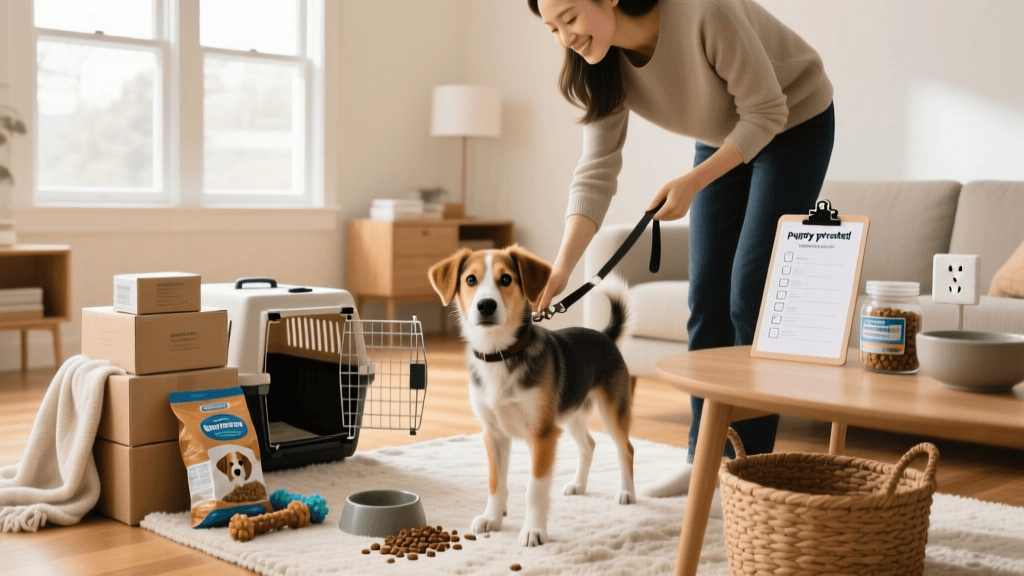
Initial setup requires durable, safe equipment—not novelty items. A properly fitted crate for a medium dog costs $110–$220; a stainless-steel food bowl lasts 8+ years but starts at $25. Monthly recurring costs include: food ($55–$140), parasite prevention ($25–$50), grooming ($45–$120 for double-coated breeds), and pet insurance ($35–$75, depending on coverage level). Over 12 months, these add up to $1,680–$3,240—nearly matching or exceeding the adoption fee itself.
“The most overlooked expense isn’t vet bills or food—it’s time. Training a puppy requires 1–2 hours daily for the first four months. That time investment translates to lost wages, childcare adjustments, or postponed personal commitments.” — Dr. Elena Torres, Director of Community Outreach, Cornell University College of Veterinary Medicine
Regional Cost Variations and Resource Mapping
Geography significantly affects affordability. In rural Mississippi, routine vet visits average $65; in Manhattan, the same service costs $142. Pet insurance premiums reflect this disparity: $42/month in Kansas City versus $79/month in Boston. Local resources help mitigate disparities. The Seattle Humane Society operates a “Pet Food Bank” serving over 1,200 households annually. Similarly, the Chicago Canine Collaborative partners with 17 neighbourhood clinics to offer sliding-scale wellness packages—including free dental cleanings for senior dogs.
| Expense Category | Low-Cost Scenario | High-Cost Scenario | Difference |
|---|---|---|---|
| Spay/Neuter | $110 (ASPCA LA Mobile Clinic) | $550 (private practice) | $440 |
| Puppy Vaccinations (3 visits) | $225 (low-cost clinic) | $480 (full-service hospital) | $255 |
| Annual Pet Insurance | $420 (basic plan, rural area) | $948 (comprehensive, urban area) | $528 |
Choosing a dog means committing to both emotional presence and fiscal diligence. Whether selecting a retired racing greyhound from Greyhound Rescue of America or a mixed-breed puppy from Austin Animal Center, understanding the granular breakdown—$250 for deworming, $1,100 for ACL surgery, $380 for boarding during travel—ensures alignment between lifestyle and responsibility. Preparation begins not with excitement alone, but with line-item budgeting, verified health documentation, and engagement with ethical, transparent organisations like the AKC, ASPCA, and local shelters.
Food quality matters more than brand prestige: AAFCO-certified diets cost 12–18% more than generic alternatives but reduce gastrointestinal vet visits by 29%, according to a 2020 peer-reviewed study in Preventive Veterinary Medicine. Grooming frequency varies—Poodles require professional clipping every 4–6 weeks ($75–$110/session), while Basenjis shed minimally and need brushing only twice weekly.
Microchipping, often bundled with adoption, costs $45–$65 if purchased separately and must be registered with a national database like Found Animals Registry. Licensing fees range from $12 (Wisconsin) to $85 (San Francisco), with discounts available for spayed/neutered pets.
Boarding or dog-walking services constitute 15–20% of annual outlay for dual-income households. In cities like Chicago, licensed walkers charge $22–$34 per 30-minute visit; premium boarding facilities in Boston list $65–$98 nightly rates during holiday periods.
Training isn’t optional—it’s foundational. Untrained dogs are 3.2× more likely to be surrendered to shelters within their first year (National Council on Pet Population Study, 2021). Group classes improve bite inhibition, recall reliability, and socialisation—reducing future liability and rehoming risk.
Finally, consider longevity. A healthy Shih Tzu lives 13–16 years; a Saint Bernard averages 8–10. Each additional year multiplies cumulative care costs. Planning for decade-plus commitment means evaluating not just Year One, but Year Ten—and ensuring your financial and emotional infrastructure supports both.
robin-maitland
All our authors care for dogs every day — read more of their work on the authors page.