First 48 Hours With a Rescue Dog: A Beginner's Guide
Discover a step-by-step survival guide for the first 48 hours with your new rescue dog, including setup tips, decompression strategies, and essential costs.

Welcome to the Complete Beginner's Handbook: Rescue Dog Edition
Bringing a rescue dog home is one of the most profoundly rewarding experiences a person can have, but it is also a massive life transition for the animal. As part of our Complete Beginner's Handbooks series, this guide strips away the guesswork and focuses entirely on the most critical window of your new relationship: the first 48 hours. Many new owners mistakenly believe that love alone will help a shelter dog adjust instantly. In reality, shelter environments are incredibly stressful, and a sudden change in scenery can trigger anxiety, fear, or behavioral regression. According to the American Veterinary Medical Association (AVMA), managing environmental stress and establishing a predictable routine are the most crucial factors in ensuring a new pet's long-term behavioral health and physical well-being.
The Psychology of Decompression: The 3-3-3 Rule
Before you even bring your dog through the front door, you must understand the "3-3-3 Rule" of rescue dog adjustment. This widely accepted behavioral framework dictates that a rescue dog needs approximately three days to decompress from the shelter, three weeks to learn your daily routine, and three months to truly feel at home and show their authentic personality. During the first 72 hours, your dog is in survival mode. They may refuse to eat, hide in corners, sleep excessively, or avoid interaction. This is not a sign that they are "broken" or ungrateful; it is a normal physiological response to overwhelming stimuli. Your primary goal for the first 48 hours is not training or socialization—it is radical decompression.
Phase 1: Pre-Arrival Setup (The Safe Room)
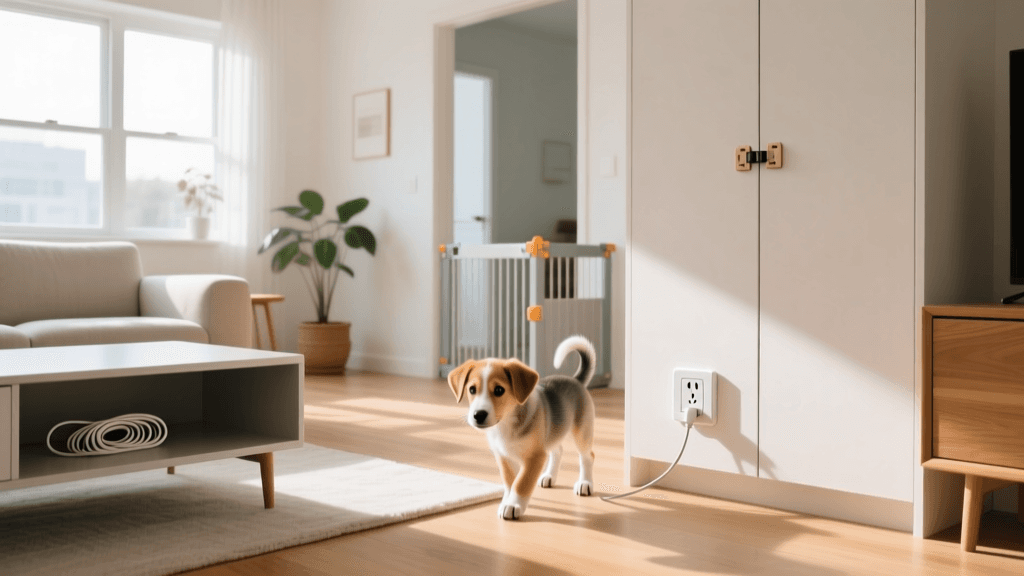
Do not give your new rescue dog free roam of your entire house on day one. A sprawling, unfamiliar environment is terrifying to a decompressing dog. Instead, designate a "Safe Room." This should be a quiet, easily cleanable space like a spare bedroom, a gated kitchen, or a large laundry room. Remove any toxic houseplants (such as lilies or sago palms), secure electrical cords, and block off dark hiding spaces under beds where a frightened dog might wedge themselves and refuse to come out.
Set up a wire crate in this room with the door securely tied open, filled with soft, washable bedding. The crate should be sized correctly: the dog must be able to stand up, turn around, and lie down comfortably, but it should not be so massive that they can eliminate in one corner and sleep in the other. A good measurement rule is the length of the dog from the tip of their nose to the base of their tail, plus two to four inches.
Essential Gear & Budget Breakdown
To set your safe room up for success, you will need specific tools designed to lower canine heart rates and provide mental enrichment. Below is a structured budget and gear list for the complete beginner.
| Item | Purpose & Details | Estimated Cost |
|---|---|---|
| Wire Crate (w/ Divider) | Provides a den-like safe space. Use the divider to adjust size as the dog gets comfortable. | $50 - $80 |
| Martingale Collar | Crucial for rescues. Tightens slightly to prevent fearful dogs from slipping out of the collar without choking them. | $15 - $25 |
| Standard 6-Foot Leash | Offers maximum control. Never use retractable leashes for decompressing rescues, as they teach pulling and offer zero emergency control. | $10 - $20 |
| Adaptil Calm Home Diffuser | Releases synthetic dog-appeasing pheromones that mimic a nursing mother, clinically proven to reduce stress behaviors. | $25 - $35 |
| Heartbeat Snuggle Puppy | A plush toy with a simulated heartbeat and heat pack to ease crate anxiety and loneliness during the first few nights. | $30 - $45 |
| Kong Classic (Red or Black) | Stuff with wet food and freeze. Licking and chewing release endorphins that naturally soothe the canine nervous system. | $15 - $20 |
Total Estimated Setup Budget: $145 - $225
Phase 2: The Arrival and First 24 Hours
The Centers for Disease Control and Prevention (CDC) emphasizes that establishing a safe, structured environment immediately upon bringing a pet home helps prevent zoonotic stress and behavioral issues. When you pick up your dog, have them wear a secure harness and a martingale collar with a leash attached to both (a "double-clip" setup) for the car ride. Do not let them roam freely in the vehicle.
The Driveway Protocol
When you arrive home, do not carry the dog inside. Take them immediately to the designated outdoor potty area on a leash. Stand still, be patient, and allow them to sniff. When they eliminate, reward them with a high-value treat (like boiled chicken or string cheese) and quiet, calm praise. Only after they have emptied their bladder should you walk them to the front door.
The "No Guests" Rule
The most common mistake beginners make is inviting friends and family over on day one to "meet the new dog." This is a recipe for sensory overload. For the first 48 hours, your dog should only interact with the immediate household members. Keep voices low, avoid direct eye contact, and let the dog initiate all physical contact. If they retreat to their crate, respect their boundary and do not reach in to pull them out.
Phase 3: The First Night
Nighttime is often the hardest part of the transition. The shelter was likely noisy, bright, and filled with the scent of other stressed animals. Your quiet house may feel eerily silent to them. Place the crate in your bedroom so the dog can hear your breathing and smell your scent; this drastically reduces isolation distress. Plug in your Adaptil diffuser near the crate, and place the heated Snuggle Puppy inside.
If the dog whines or cries, wait for a brief moment of silence before offering a treat through the crate bars. If you must take them out for a midnight potty break, keep the lights dim, do not speak, and put them right back in the crate. Keep the interaction strictly business.
Phase 4: Day Two and The "Sniffari"
By the second day, you can begin establishing a predictable feeding and walking schedule. Feed them twice a day, exactly 12 hours apart (e.g., 7:00 AM and 7:00 PM), using the exact same brand of food they were eating at the shelter to avoid gastrointestinal upset. Potty breaks should occur immediately upon waking, 20 minutes after every meal, and right before bed.
Instead of a long, structured walk for exercise, take your dog on a "Sniffari." Attach a long line (15 to 30 feet) in a quiet, enclosed area or a low-traffic neighborhood, and simply let them follow their nose. Sniffing requires intense mental processing and naturally lowers a dog's heart rate. Fifteen minutes of dedicated sniffing can tire a dog out more than a two-mile walk, making it the perfect decompression activity for day two.
Your First 48-Hour Timeline & Action Plan
| Timeframe | Action Required | Primary Goal |
|---|---|---|
| Hour 0 (Arrival) | Immediate leashed potty break in the yard, followed by introduction to the Safe Room. | Empty bladder, prevent indoor accidents, establish safe zone. |
| Hours 1-4 | Quiet time in the Safe Room. Offer water and a frozen Kong. No forced interaction. | Sensory decompression, lowering cortisol levels. |
| Hours 4-12 | Leashed potty breaks every 2-3 hours. Feed dinner in the crate. Enforce the "No Guests" rule. | Establishing a predictable, low-stress routine. |
| Night 1 | Crate in the owner's bedroom. Snuggle Puppy and Adaptil diffuser active. Midnight potty if needed. | Prevent isolation distress, promote secure sleep. |
| Day 2 Morning | Wake up, immediate potty, breakfast. 15-minute leashed "Sniffari" in a quiet area. | Mental enrichment, building trust through calm leadership. |
| Day 2 Afternoon | Introduce basic household sounds (TV, washing machine) at low volumes. Short training sessions (5 mins) for "sit" and "touch" using high-value treats. | Gentle environmental socialization, building confidence. |
Common Beginner Mistakes to Avoid
As you navigate these first two days, avoid the temptation to rush the process. Do not take your rescue dog to a busy pet store, a dog park, or a crowded patio during the first 48 hours. According to resources provided by the American Society for the Prevention of Cruelty to Animals (ASPCA), overwhelming a newly adopted dog with too many new environments, people, and other animals can trigger fear-based reactivity and severely damage the trust you are trying to build.
Furthermore, avoid the trap of inconsistent rules. If the dog is not allowed on the furniture on day one, they must not be allowed on the furniture on day two, even if they look sad. Dogs thrive on clarity and boundaries. A predictable, quiet, and structured first 48 hours will lay the unshakable foundation required for a happy, well-adjusted life with your new best friend.
marcus-aldridge
All our authors care for dogs every day — read more of their work on the authors page.