The True Cost of Dog Behavioral Training and Enrichment
Discover the true cost of dog behavioral training, enrichment, and managing anxiety. Plan your budget for a happier, well-adjusted canine companion.

Understanding the Financial Reality of Canine Psychology
When we bring a dog into our lives, we often budget for the obvious expenses: high-quality kibble, routine veterinary care, toys, and grooming. However, one of the most significant financial aspects of dog ownership is frequently overlooked until a crisis occurs—the cost of behavioral training and psychological enrichment. Understanding your dog means recognizing that they are complex emotional beings. When a dog exhibits reactivity, separation anxiety, or resource guarding, they are not being stubborn or bad. They are communicating distress, fear, or unmet instinctual needs.
According to the ASPCA, common behavior issues like aggression, separation anxiety, and inappropriate elimination are among the leading reasons dogs are surrendered to shelters. Addressing these issues requires a financial commitment that goes far beyond buying a standard leash and collar. In this comprehensive guide, we will break down the true costs of canine behavioral modification, environmental enrichment, and psychological support, helping you plan a realistic budget for your dog's mental well-being.
The Cost of Doing Nothing: Hidden Financial Risks
Before diving into the cost of solutions, it is crucial to understand the financial risk of ignoring your dog's psychological needs. A dog suffering from untreated separation anxiety can cause thousands of dollars in property damage, destroying door frames, drywall, and furniture in a state of panic. Furthermore, chronic stress in dogs leads to physiological issues. Stress-induced colitis, chronic gastrointestinal upset, and weakened immune systems can result in frequent, expensive emergency veterinary visits. Investing in behavioral planning is, quite literally, an investment in preventative healthcare and home maintenance.
Breakdown of Professional Training and Behavior Modification
Not all training is created equal. Basic obedience classes teach a dog to sit or stay, but behavior modification addresses the underlying emotional response to a trigger. If your dog is reactive to other dogs or suffers from severe fear, putting them in a group class can actually worsen their psychological state by pushing them over their stress threshold. Here is a breakdown of professional behavioral services and their associated costs.
| Service Type | Average Cost | Best For | Psychological Approach |
|---|---|---|---|
| Group Obedience Classes | $50 - $150 per session | Basic manners, mild leash pulling, socialization for confident dogs. | Operant conditioning; not suitable for fear-based reactivity. |
| Private In-Home Behaviorist | $120 - $250 per hour | Leash reactivity, resource guarding, mild separation anxiety. | Desensitization and counter-conditioning in the dog's native environment. |
| Board and Train Programs | $2,000 - $5,000+ (2-4 weeks) | Severe leash manners, foundational impulse control. | Immersion training; requires heavy owner follow-up to maintain psychological shifts. |
| Veterinary Behaviorist | $500 - $1,200 initial consult | Severe aggression, deep-seated phobias, medication management. | Medical and psychological evaluation; addresses neurochemical imbalances. |
For severe cases that do not respond to standard training, the American College of Veterinary Behaviorists (ACVB) recommends consulting a board-certified professional. These experts are licensed veterinarians who have completed rigorous residencies in animal behavior, allowing them to prescribe psychotropic medications alongside a tailored behavior modification plan.
Budgeting for Environmental Enrichment
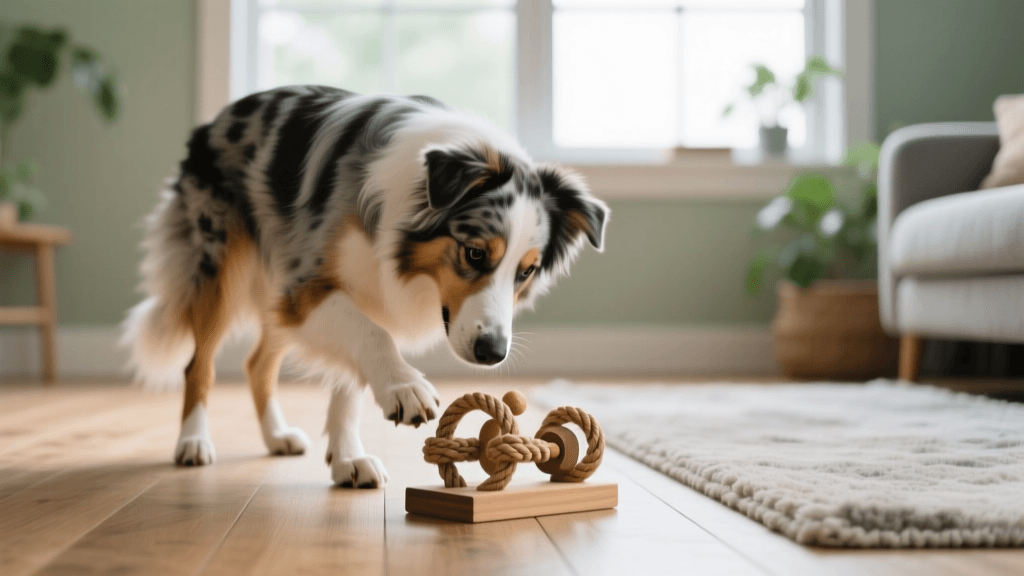
A core tenet of understanding your dog is recognizing their breed-specific instincts. A Border Collie bred to herd sheep or a Hound bred to track scents will develop neurotic behaviors if kept in a sterile environment without a job. Environmental enrichment is the practice of providing outlets for these natural instincts, and it requires a dedicated monthly budget.
Essential Enrichment Tools and Costs
- Foraging and Snuffle Mats ($25 - $50): Tapping into a dog's natural scavenging drive. Sniffing lowers a dog's heart rate and releases dopamine. Budget for at least two high-quality, machine-washable mats.
- Food-Puzzling Toys ($15 - $40 each): Toys like the classic Kong, West Paw Toppl, or Outward Hound puzzle feeders force dogs to use their brains to extract calories, reducing boredom-induced destructive chewing.
- Lick Mats ($10 - $20): Licking is a naturally soothing behavior for canines. Spreading dog-safe peanut butter or plain yogurt on a textured silicone mat and freezing it can provide 30 minutes of calming, anxiety-reducing activity.
- Long-Lasting Chews ($30 - $60 per month): Chewing releases endorphins. Budget for safe, digestible options like yak cheese chews, bully sticks, or coffee wood branches. Avoid cheap rawhide, which poses severe gastrointestinal blockage risks.
The Humane Society of the United States emphasizes that positive reinforcement and environmental management are key to preventing behavioral issues before they start. Setting aside $50 to $100 a month specifically for rotating enrichment toys and chews will save you hundreds in replaced furniture and professional training fees down the line.
Managing Separation Anxiety: Technology and Support
Separation anxiety is one of the most psychologically taxing conditions for both the dog and the owner. Dogs with true separation anxiety are experiencing a panic attack, not merely missing their owners. Managing this requires a multi-faceted approach that includes technology and outside help.
- Pet Cameras ($30 - $200): Monitoring your dog's stress levels when you leave is vital for desensitization protocols. Basic options like the Wyze Cam v3 cost around $35, while specialized pet cameras like the Furbo (approx. $150-$200) offer two-way audio and treat-tossing capabilities to interrupt mild stress cycles.
- Mid-Day Dog Walkers ($20 - $35 per walk): Breaking up the isolation period is crucial for dogs who cannot yet handle eight hours alone. Budgeting for a mid-day walker can cost $400 to $700 a month but is often a necessary bridge during the early stages of separation anxiety training.
- Calming Pheromones and Supplements ($30 - $60 per month): Products like Adaptil diffusers (which release synthetic dog-appeasing pheromones) or L-theanine based calming chews can provide mild baseline support for anxious dogs.
The Role of Medication in Behavioral Planning
There is a persistent stigma in the dog world regarding behavioral medication, but understanding your dog's psychology means accepting that some dogs are born with neurochemical imbalances. Just as a human with clinical depression may need SSRIs, a dog with severe noise phobia or genetic reactivity may need medication to lower their baseline anxiety enough to actually learn new coping skills. When a dog is over their stress threshold, the amygdala hijacks the brain, making learning impossible. Medication helps keep them under threshold so the prefrontal cortex can engage.
Common behavioral medications include Fluoxetine (Prozac), Trazodone, and Gabapentin. The cost of these medications is surprisingly manageable, typically ranging from $20 to $60 per month through online pet pharmacies. However, you must factor in the cost of routine bloodwork (usually $100-$200 annually) to ensure the medication is not adversely affecting your dog's liver or kidneys.
Creating Your Annual Behavioral Budget
To proactively manage your dog's mental health, consider creating a dedicated Behavioral and Enrichment line item in your annual pet budget. Here is a sample annual breakdown for a dog with mild to moderate leash reactivity and high mental stimulation needs:
- Private Behavior Modification Sessions (10 sessions): $1,500
- Monthly Enrichment (Puzzles, Chews, Snuffle Mats): $840 ($70/mo)
- Pet Camera and Tech Setup: $100 (One-time)
- Calming Supplements/Pheromones: $360 ($30/mo)
- Total Estimated Annual Behavioral Budget: $2,800
Conclusion: Investing in Your Dog's Mind
Understanding your dog requires empathy, patience, and a willingness to look at the world from their perspective. When a dog acts out, they are asking for help. By anticipating the costs associated with behavioral training, environmental enrichment, and psychological support, you remove the financial panic from the equation. This allows you to focus entirely on what matters most: building a deep, trusting, and harmonious bond with your canine companion. Planning for your dog's mental health is just as vital as planning for their physical health, and the return on investment is a happier, more balanced dog.
marcus-aldridge
All our authors care for dogs every day — read more of their work on the authors page.