Understanding Senior Dog Behavior And Cognitive Care
Discover how aging affects your dog's behavior and psychology. Learn actionable life stage care tips for canine cognitive dysfunction and senior comfort.
The Psychology of the Aging Canine Brain
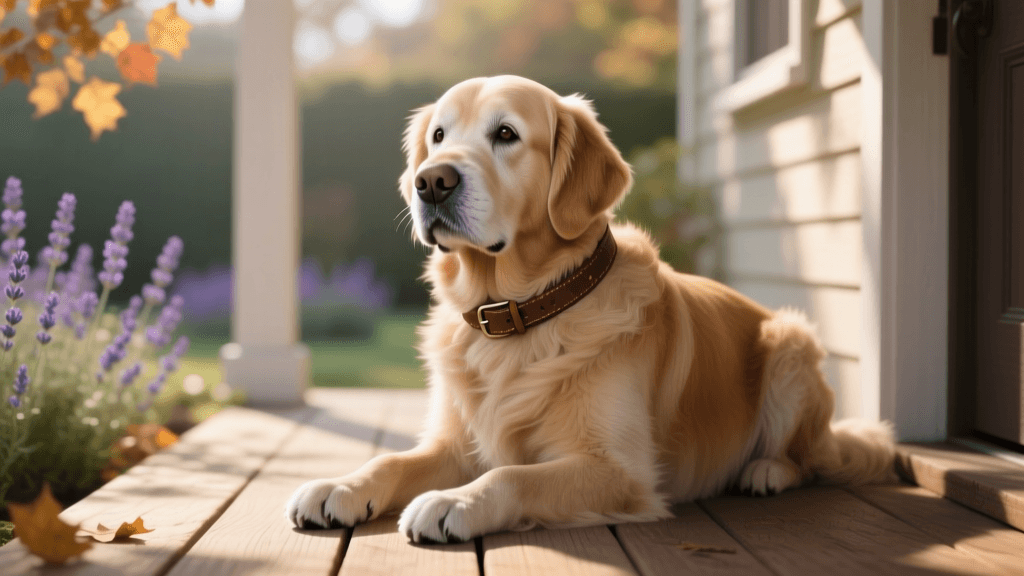
As our canine companions transition into their senior years, the shifts in their behavior are often dismissed as simply "getting old." However, from a canine psychology perspective, aging is a complex neurological and physiological process that profoundly alters how a dog perceives, processes, and reacts to the world around them. Understanding your senior dog requires looking past the surface-level symptoms of aging and examining the underlying cognitive and sensory changes driving their behavior.
The aging canine brain undergoes structural changes remarkably similar to those seen in human neurodegenerative conditions. There is a natural accumulation of amyloid-beta plaques, a reduction in overall brain mass (particularly in the frontal lobe, which governs executive function and impulse control), and a decrease in cerebral blood flow. These biological shifts manifest as behavioral changes: a once-confident dog may develop sudden anxiety, a highly trained dog may forget basic cues, and a social dog may become irritable or withdrawn. Recognizing these changes as neurological events rather than intentional disobedience is the first crucial step in providing effective life stage care.
Recognizing Canine Cognitive Dysfunction (CCD)
Canine Cognitive Dysfunction (CCD) is a progressive neurodegenerative disorder that affects a significant portion of the senior dog population. According to the American Kennel Club (AKC), while only a small percentage of dogs are formally diagnosed, studies suggest that up to 68% of dogs aged 15 and older may suffer from some degree of cognitive decline. Early intervention is critical, as neuroplasticity and environmental enrichment can slow the progression of the disease.
The DISHA Behavioral Assessment Chart
Veterinary behaviorists use the DISHA acronym to categorize and understand the psychological drivers behind CCD-related behaviors. Use this chart to monitor your aging dog and identify specific areas of cognitive struggle.
| DISHA Category | Psychological & Neurological Driver | Observable Senior Behaviors |
|---|---|---|
| Disorientation | Spatial memory deficits, impaired visual processing, and reduced environmental mapping. | Staring blankly at walls, getting "stuck" in corners or behind furniture, wandering aimlessly, or failing to recognize familiar rooms. |
| Interactions | Decreased social inhibition, altered sensory recognition, and increased irritability due to chronic pain or confusion. | Withdrawing from family members, failing to greet owners at the door, uncharacteristic aggression, or clinginess and separation anxiety. |
| Sleep-Wake Cycles | Disruption of the circadian rhythm, decreased melatonin production, and altered serotonin levels. | Sleeping deeply all day, pacing or vocalizing (howling/whining) late at night, and restless sleep patterns. |
| House Soiling | Loss of associative memory regarding house-training, decreased physical awareness, and weakened sphincter control. | Urinating or defecating indoors without signaling, eliminating in sleeping areas, or losing the instinctual desire to keep the "den" clean. |
| Activity Levels | Altered dopamine pathways leading to either apathy or repetitive, compulsive behaviors. | Decreased interest in walks, toys, or exploration; alternatively, engaging in repetitive licking, pacing, or shadow-chasing. |
Sensory Decline and Behavioral Misinterpretations
Before assuming a senior dog is suffering from cognitive decline, it is vital to rule out sensory loss. Vision and hearing degradation profoundly impact a dog's psychological state. A dog that suddenly "snaps" when touched while sleeping is not necessarily becoming aggressive; they are likely experiencing a startle reflex due to an inability to hear or see you approaching. Similarly, a dog that refuses to walk down a dark hallway may be experiencing cataracts or nuclear sclerosis, which severely limits their depth perception and ability to see in low light. Understanding that fear and anxiety often masquerade as stubbornness or aggression in senior dogs allows owners to respond with empathy and environmental adjustments rather than frustration.
Actionable Life Stage Care: Adapting Your Environment
Modifying your home environment is essential for reducing cognitive load and physical strain on your senior dog. The goal is to create a predictable, easily navigable space that relies on their remaining senses. The American Veterinary Medical Association (AVMA) emphasizes that environmental management is a cornerstone of senior pet care.
Physical Accessibility and Joint Support
- Orthopedic Bedding: Invest in a high-quality orthopedic bed. The Big Barker Orthopedic Dog Bed (approx. $250-$300) utilizes therapeutic foam that prevents joint compression. Place it in a quiet, draft-free area away from high-traffic household zones to reduce sensory overload.
- Ramps and Stairs: To prevent spinal and joint injuries from jumping, use a ramp for car access and furniture. Ensure the ramp has a slope of no steeper than 18 degrees (a 1:3 rise-to-run ratio). The Pet Gear Travel Lite Ramp (approx. $120) offers excellent traction for senior paws with reduced pad elasticity.
- Flooring Traction: Hardwood and tile floors can cause splaying and anxiety in senior dogs. Lay down interlocking foam mats or low-pile yoga mats in high-traffic pathways to provide grip and psychological confidence.
Sensory and Circadian Support
- Nightlights: To combat night-time pacing and disorientation, plug in warm-toned LED nightlights along hallways and near water bowls. This aids dogs with nuclear sclerosis in navigating their space after dark.
- Scent Mapping: As vision fades, dogs rely more on olfaction. Place a drop of dog-safe essential oil (like lavender for calming) near their bed, and a different scent (like sweet orange) near the door. This creates an "olfactory map" that helps disoriented dogs orient themselves in the home.
Cognitive Enrichment and Neuroplasticity
Just like humans, senior dogs need mental stimulation to maintain neural pathways. However, the *type* of stimulation must change. High-arousal games like fetch can cause joint stress and sensory overload. Instead, focus on low-impact, high-reward cognitive tasks.
- Snuffle Mats: These fabric mats mimic the natural foraging instinct. Hiding high-value, soft treats (like freeze-dried liver) in a snuffle mat engages the olfactory cortex, which is highly resistant to age-related decline. This provides deep mental fatigue without physical strain.
- Modified Puzzle Toys: Switch from hard plastic puzzles to the KONG Senior (approx. $15), which is made from a gentler, purple rubber formulated for aging teeth and gums. Stuff it with soft, brain-boosting foods like plain pumpkin puree and mashed blueberries, then freeze it for a soothing, long-lasting enrichment activity.
- Short, Novelty Walks: A 10-minute "sniffari" in a new, quiet environment is more neurologically beneficial than a 30-minute march around the same familiar block. Novelty stimulates the hippocampus, promoting neurogenesis.
Nutritional Psychiatry for Senior Dogs
Targeted supplementation can cross the blood-brain barrier to protect neurons, reduce oxidative stress, and improve cellular energy. The ASPCA notes that dietary interventions can significantly improve the quality of life for dogs exhibiting behavioral problems related to aging.
- MCT Oil (Medium-Chain Triglycerides): As the aging brain loses its ability to efficiently metabolize glucose, MCT oil provides an alternative energy source in the form of ketones. Adding 1/2 teaspoon to 1 tablespoon (depending on dog size) of unrefined coconut oil or a specialized canine MCT supplement can improve alertness and reduce daytime lethargy.
- SAMe (S-Adenosylmethionine): Supplements like Novifit or Senilife (approx. $35-$50 per month) contain SAMe and Phosphatidylserine, which support neurotransmitter production (dopamine and serotonin) and protect cell membranes. These are particularly effective for senior dogs exhibiting depression, apathy, or night-time anxiety.
- Omega-3 Fatty Acids (EPA/DHA): High-quality fish oil reduces neuroinflammation. Look for a supplement providing at least 1,000 mg of combined EPA and DHA daily for a 50 lb dog.
Adjusting Communication and Training
When a senior dog stops responding to verbal cues, it is rarely due to stubbornness. It is usually a combination of presbycusis (age-related hearing loss) and cognitive processing delays. To maintain your bond and keep your dog feeling secure, adapt your communication style:
- Transition to Hand Signals: Pair verbal commands with distinct, large hand signals. If hearing loss is profound, rely entirely on visual cues and a gentle vibration collar (used only as an attention-getter, never as a correction) to signal them to look at you.
- Use Tactile Cues: Develop a gentle touch vocabulary. A soft tap on the left shoulder can mean "turn left" or "let's go," while a gentle stroke down the spine can serve as a calming "settle" cue.
- Patience and Processing Time: The aging brain takes longer to retrieve information. When giving a cue, wait up to 10 seconds before repeating it. Interrupting their processing loop by repeating the command immediately only adds confusion and anxiety.
When to Consult a Veterinary Behaviorist
While environmental adjustments and supplements are powerful, severe anxiety, night-time vocalization, or aggression require medical intervention. A board-certified veterinary behaviorist can prescribe medications such as Selegiline (Anipryl), which increases dopamine levels in the brain and is FDA-approved for CCD, or anti-anxiety medications like Trazodone to help regulate disrupted sleep-wake cycles. Combining pharmacological support with the environmental and psychological care strategies outlined above offers the most comprehensive, empathetic approach to honoring your senior dog's changing mind and body.
tom-renshaw
All our authors care for dogs every day — read more of their work on the authors page.