Cooperative Care Chin Rest Training 2026: Build Deep Trust
Discover how cooperative care chin rest and bucket game training builds deep trust and bonds with your dog in 2026. Step-by-step consent-based guide.
The 2026 Paradigm Shift: From Compliance to Consent
Welcome to 2026, where the dog training world has definitively moved past outdated dominance theories and embraced a more profound, science-backed approach to bonding: cooperative care. If you are looking to deepen your relationship with your dog, reduce their veterinary anxiety, and build a foundation of unbreakable trust, teaching the 'Chin Rest' and integrating the 'Bucket Game' are the most powerful tools in your arsenal. Bonding is no longer just about tossing a ball or sharing the couch; it is about establishing a two-way communication system where your dog has agency, voice, and choice.
Modern behavioral science shows that when dogs are given the opportunity to 'opt-in' to handling and training, their stress hormones (cortisol) decrease significantly, while the bonding hormone (oxytocin) increases in both the dog and the human. This mutual neurochemical feedback loop is the secret to a resilient, lifelong relationship. According to the latest handling guidelines from Fear Free Pets, veterinary professionals and behaviorists overwhelmingly recommend consent-based husbandry training to prevent fear and aggression before they ever take root.
What is Cooperative Care?
Cooperative care is a training philosophy where the dog is an active, willing participant in their own grooming, medical care, and handling. Instead of using physical restraint—which can fracture trust and trigger a fight-or-flight response—we teach the dog a specific behavior that acts as a 'start button.' If the dog performs the behavior, they are giving you permission to proceed. If they stop the behavior, you stop the handling immediately. This 'escape hatch' paradoxically makes dogs much more likely to stay, engage, and bond with you, because they know they are safe and in control.
The Chin Rest: Your Dog's Ultimate Start Button
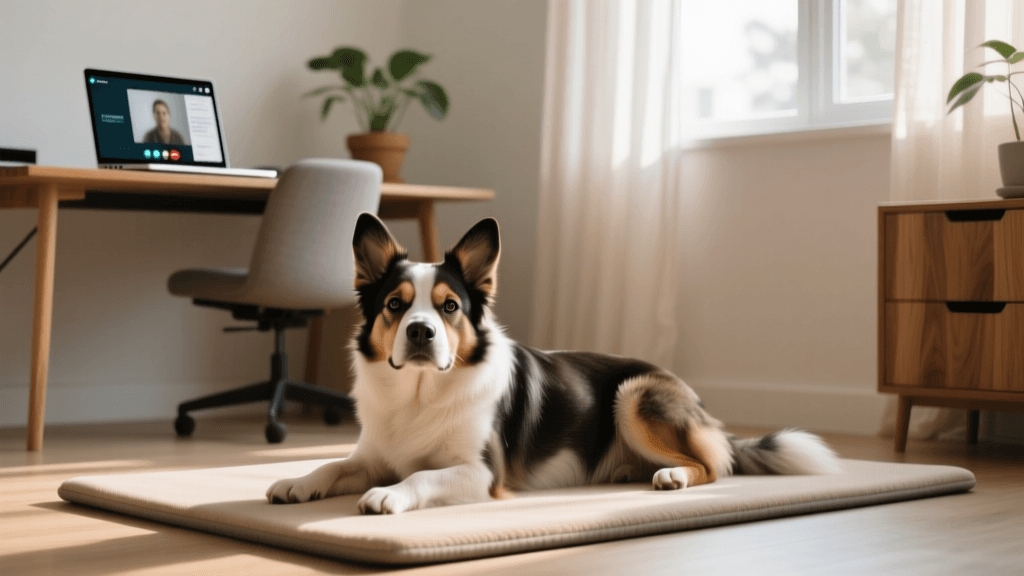
The chin rest is exactly what it sounds like: you teach your dog to rest their chin on your hand, a designated mat, or your knee. It is a versatile, foundational behavior that can be used for nail trims, ear cleanings, eye drops, and general desensitization to being touched around the head and neck. Because the dog must actively choose to place their chin down, it serves as a continuous gauge of their comfort level.
Step-by-Step Chin Rest Protocol
To build this behavior without frustration, follow this progressive shaping plan. Keep sessions short—around 3 to 5 minutes—to maintain high enthusiasm and a strong positive association.
- Step 1: Capturing the Movement. Hold a high-value treat in your closed fist and rest your hand on your knee or a low stool. The moment your dog sniffs or moves their nose toward your hand, click a marker (or say 'Yes!') and open your hand to deliver the treat. Repeat this 10-15 times until the dog is confidently targeting your hand.
- Step 2: Shaping the Rest. Now, wait for a slightly heavier touch. When the dog presses their chin against your hand for even a fraction of a second, mark and reward. Gradually increase the criteria, requiring the chin to stay resting on your hand for one second, then two, then three.
- Step 3: Adding Duration and Distraction. Once the dog is comfortably resting their chin for 5 seconds, begin to introduce mild, non-threatening movements. Wiggle your fingers slightly. If the dog keeps their chin down, mark and reward heavily. If they lift their head, simply reset and try again with a smaller movement.
- Step 4: Introducing Husbandry. With the chin firmly planted, use your free hand to gently touch the dog's shoulder, then reward. Over multiple sessions, progress to touching the ears, lifting a paw, or gently holding a collar. The rule is absolute: if the chin lifts, the handling stops instantly.
Integrating the Bucket Game for Deep Trust
Developed by renowned animal behaviorist Chirag Patel, the 'Bucket Game' is a complementary technique that pairs perfectly with the chin rest, especially for dogs who are highly sensitive to grooming tools like clippers or nail grinders. As taught by the Karen Pryor Academy, the Bucket Game utilizes a visual target (a bucket or a cone) to give the dog a clear focal point that predicts good things, while simultaneously serving as a communication device.
Here is how it works: You place a bucket on the floor. The dog learns that looking at the bucket earns a continuous stream of high-value treats from your hand. While the dog is staring at the bucket, you introduce a handling stimulus (e.g., touching their back with a brush). If the dog turns away from the bucket to look at you or the brush, the treats stop, and the brush goes away. The dog quickly learns that keeping their eyes on the bucket makes the scary thing happen in a tolerable way, and more importantly, they learn that turning away makes the scary thing stop. This builds immense trust, as the dog realizes you are listening to their body language.
2026 High-Value Treat Hierarchy for Bonding
In 2026, the market for training treats has evolved, with a heavy emphasis on single-ingredient, sustainable, and functional rewards. To make cooperative care truly effective, you must use treats that trigger a strong dopamine response, reinforcing the dog's choice to participate. Below is a modern treat hierarchy to use during your chin rest and bucket game sessions.
| Treat Type | 2026 Brand Example | Value Level | Best Use Case |
|---|---|---|---|
| Freeze-Dried Raw | Stella & Chewy's | High | Initial chin rest capture and high-stress vet prep |
| Cricket Protein | Jiminy's | High | Hypoallergenic dogs, eco-conscious owners, sustained focus |
| Boiled Chicken | Generic / Home Prep | Medium | Repetitive duration building and bucket game maintenance |
| Functional Calming Chews | Zesty Paws | Medium | Pre-session anxiety reduction (given 30 mins prior) |
| Daily Kibble | Dog's Regular Diet | Low | Maintenance of known behaviors in low-distraction environments |
Troubleshooting: When Your Dog Opts Out
The most critical moment in relationship building is not when your dog succeeds; it is when your dog chooses to leave or opt out of the training session. If you are practicing the chin rest and your dog lifts their head, looks away, or walks off, do not force them back. Do not use a leash correction to keep them in position. Forcing compliance destroys the very consent you are trying to cultivate.
When we give dogs the power to say no, their yes becomes profoundly meaningful. Consent-based training is the ultimate relationship builder.
Instead, take a breath, evaluate the environment, and adjust your criteria. The American Veterinary Medical Association notes that recognizing early signs of canine stress—such as lip licking, whale eye, yawning, or shifting weight away from the handler—is vital for preventing behavioral fallout. If your dog opts out, it means you moved too fast, the environment was too distracting, or the handling was too intense. Respect their 'no,' take a break, and return to an earlier, easier step in the training protocol the next day. By honoring their boundaries, you prove that you are a safe, trustworthy partner.
The Long-Term Impact on Your Relationship
Integrating the chin rest and bucket game into your weekly routine does more than just make nail trims easier. It fundamentally shifts the dynamic between you and your dog. You transition from an enforcer of rules to a supportive guide. Your dog learns that their body language matters, that their comfort is a priority, and that engaging with you is always a safe, rewarding choice. As we navigate the advanced, empathetic training landscape of 2026, prioritizing your dog's emotional well-being through cooperative care remains the single most effective way to forge a bond that will last a lifetime.
beth-carrasco
All our authors care for dogs every day — read more of their work on the authors page.