7 Common Crate Training Mistakes Every Dog Owner Makes
Discover the 7 most common crate training mistakes dog owners make and learn actionable, expert-backed strategies to build a positive crate experience.
The Psychology Behind the Crate: Sanctuary or Solitary?
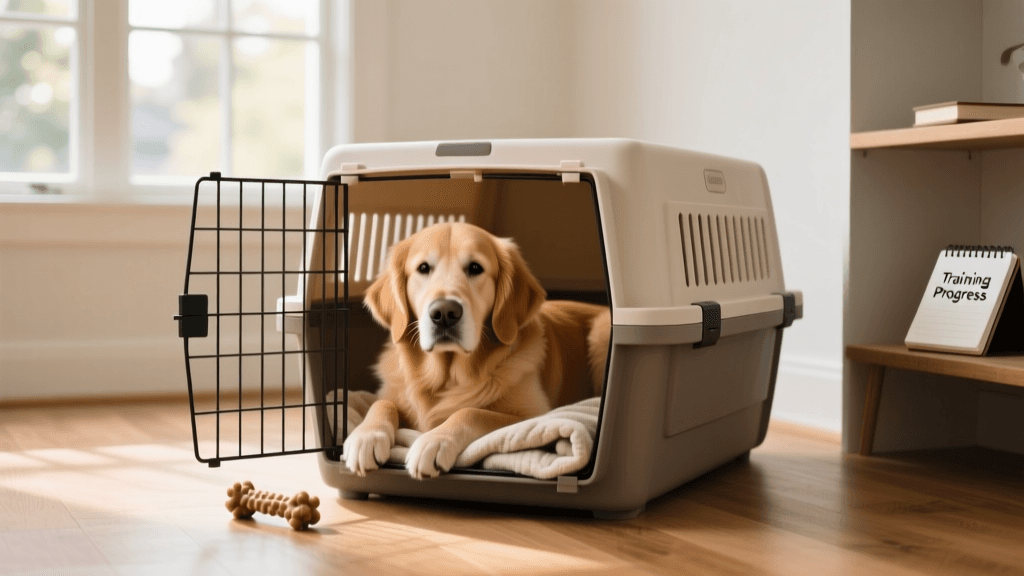
Crate training is widely considered one of the most effective methods for housebreaking, preventing destructive behavior, and providing a safe haven for your dog. When executed correctly, a crate taps into a dog’s natural denning instincts, offering a secure retreat from the chaotic stimuli of a human household. However, the line between a cozy sanctuary and a stressful confinement space is remarkably thin. Many well-intentioned pet parents inadvertently sabotage the crate training process by making fundamental errors that breed anxiety, fear, and resistance.
According to the ASPCA, crates are highly effective for house training and managing separation anxiety, but only when the dog views the space as a positive, rewarding environment. If your dog is panting, whining, refusing to enter, or eliminating inside their crate, it is time to reevaluate your approach. Below, we break down the seven most common crate training mistakes and provide actionable, expert-backed strategies to fix them.
Mistake 1: Using the Crate as a Punishment
One of the most detrimental mistakes a dog owner can make is using the crate as a "jail" or a time-out zone for bad behavior. If you angrily march your dog to their crate after they chew up a shoe or have an indoor accident, they will quickly associate the space with your anger and negative outcomes. The Humane Society of the United States emphasizes that a crate must never be used as a punishment, as this destroys the foundational requirement of crate training: voluntary relaxation.
The Fix: Positive Association Only
The crate should only ever be associated with high-value rewards, calm resting, and safety. If your dog misbehaves, manage the environment and redirect their energy, but never use the crate as the consequence. Instead, randomly drop high-value treats like freeze-dried liver or small pieces of boiled chicken into the crate throughout the day so your dog learns that wonderful things happen inside.
Mistake 2: Choosing the Wrong Crate Size
Bigger is not always better. A common misconception is that buying an oversized crate will give the dog more room to roam and be comfortable. In reality, a crate that is too large defeats the purpose of the denning instinct and can severely hinder housebreaking efforts. Dogs naturally avoid soiling their immediate sleeping area. If the crate is massive, a puppy will designate one corner for sleeping and the opposite corner as a bathroom.
The Fix: The 2-to-4 Inch Rule
To find the perfect fit, measure your dog from the tip of their nose to the base of their tail, and from the top of their head (or the tip of their ears if they are erect) to the floor. Add exactly 2 to 4 inches to both measurements. For growing puppies, invest in a wire crate like the MidWest Homes for Pets iCrate (typically costing between $50 and $90), which includes an adjustable divider panel. This allows you to expand the space incrementally as your puppy grows, ensuring the space remains snug and den-like.
Mistake 3: Rushing the Introduction Process
Shoving a dog into a crate and locking the door on day one is a recipe for panic and claustrophobia. Desensitization and classical conditioning take time, patience, and a structured progression. Rushing this process can result in long-term confinement distress.
The Fix: A Step-by-Step Desensitization Protocol
Follow this gradual progression over the course of one to two weeks:
- Phase 1 (Days 1-3): Leave the door open. Toss treats inside. Feed all daily meals near the crate, gradually moving the bowl further inside.
- Phase 2 (Days 4-6): Introduce a verbal cue like "crate" or "kennel." Reward the dog for entering. Close the door for 2 seconds, then open it and reward. Gradually increase the duration to 10 seconds, then 1 minute.
- Phase 3 (Days 7-10): Step away from the crate while the door is closed for short intervals (1-5 minutes). Return before the dog shows signs of distress.
- Phase 4 (Days 11+): Begin leaving the room and eventually the house for very short durations (5-10 minutes).
Mistake 4: Leaving the Dog Crated for Too Long
Dogs are social animals that require physical exercise, mental stimulation, and social interaction. Crating a dog for an 8-to-10-hour workday without a break is physically and psychologically damaging. Puppies, in particular, lack the physiological development to hold their bladders for extended periods.
"A general rule of thumb for puppy bladder control is one hour for every month of age, plus one. However, this is a physiological maximum, not a recommended daily crating duration."
As noted by the American Kennel Club, exceeding a dog’s physical limits leads to forced soiling, which ruins the housebreaking process and causes immense stress.
Maximum Crating Times by Age
| Dog Age | Maximum Daytime Crating | Overnight Crating |
|---|---|---|
| 8 - 10 Weeks | 30 - 60 Minutes | 3 - 4 Hours (needs potty break) |
| 11 - 14 Weeks | 1 - 3 Hours | 5 - 6 Hours |
| 15 - 16 Weeks | 3 - 4 Hours | 6 - 8 Hours |
| 17 Weeks - Adult | 4 - 5 Hours (max 8 with breaks) | 8 Hours |
Note: If you work long hours, hire a dog walker or utilize a doggy daycare service to break up the day.
Mistake 5: Rewarding Whining and Barking
When a dog whines, cries, or barks in the crate, the owner’s natural instinct is to open the door to soothe them or let them out to stop the noise. Unfortunately, this teaches the dog a very clear lesson: making noise opens the door. This creates a behavioral loop known as an "extinction burst," where the dog will bark louder and longer in the future because the previous noise level no longer yields the desired result.
The Fix: The Art of the Calm Release
You must differentiate between panic and attention-seeking. If the dog is genuinely panicking (panting heavily, drooling, throwing themselves against the bars), you must reassess your training steps; they are not ready for that duration. However, if it is mild whining for attention, you must wait for a moment of absolute silence. Wait for three to five seconds of quiet, then calmly open the door. Do not make eye contact or speak excitedly when releasing them; keep the energy neutral.
Mistake 6: Skipping Pre-Crate Exercise and Enrichment
Expecting a high-energy dog to calmly sleep in a crate immediately after waking up from a nap or spending the morning lounging on the couch is unrealistic. A dog with pent-up physical and mental energy will view the crate as a frustrating barrier rather than a place to rest.
The Fix: The 'Tire and Settle' Routine
Before crating your dog for an extended period, ensure they have had adequate physical exercise and mental stimulation. A 30-minute sniffari (a walk where the dog is allowed to stop and smell their environment) is mentally exhausting and highly effective at promoting sleep. Follow the walk with a 10-minute training session focusing on obedience cues like "sit," "down," and "stay." A mentally and physically tired dog is far more likely to enter the crate and settle down immediately.
Mistake 7: Forgetting to Make It a 'Den'
A bare, cold wire or plastic crate is not inviting. Failing to provide comfort and safe enrichment turns the crate into a boring, sterile holding cell. Conversely, providing the wrong types of bedding or toys (like easily shredded blankets or plush toys with squeakers) can lead to dangerous intestinal blockages if the dog ingests the stuffing.
The Fix: Safe Comfort and Long-Lasting Chews
Outfit the crate with safe, durable comfort items. For heavy chewers, avoid fluffy beds and opt for a raised, chew-proof cot like the Coolaroo Elevated Pet Bed or a heavy-duty canvas mat. To keep the dog occupied and promote the release of calming endorphins through chewing and licking, provide safe enrichment toys:
- KONG Classic (Red or Black): Stuff with plain pumpkin puree, plain Greek yogurt, and a few pieces of kibble, then freeze it overnight. This provides 30-45 minutes of engaging, soothing work.
- West Paw Toppl: An interlocking puzzle toy that is highly durable and easy to clean.
- Adaptil Pheromone Spray: Spraying a canine-appeasing pheromone product like Adaptil on the bedding 15 minutes before crating can significantly reduce anxiety and promote relaxation.
Conclusion: Patience is the Ultimate Tool
Crate training is not an overnight process; it is a behavioral conditioning journey that requires consistency, empathy, and patience. By avoiding these seven common mistakes, you shift the narrative from forced confinement to voluntary retreat. Remember that every dog learns at their own pace. If your dog struggles, take a step back in your training progression and rebuild their positive association. With the right sizing, proper exercise, high-value enrichment, and a commitment to positive reinforcement, your dog will soon view their crate as their favorite room in the house.
jonas-cole
All our authors care for dogs every day — read more of their work on the authors page.