Budget Dog Training: DIY Obedience and Socialization Tips
Discover budget-friendly dog training methods. Learn DIY obedience techniques, homemade treats, and free socialization tips to save money.
The Hidden Costs of Professional Dog Training
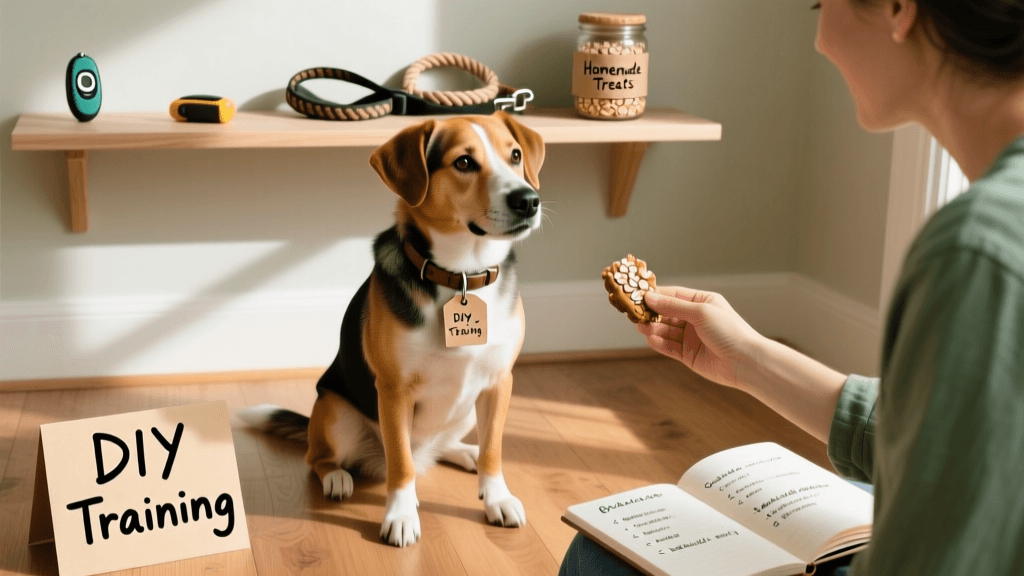
When welcoming a new dog into your home, the excitement is often quickly tempered by the reality of pet care expenses. While food and veterinary care are expected, the cost of professional behavioral conditioning and obedience training can catch new owners off guard. Private sessions with a certified dog behaviorist or trainer frequently range from $90 to $150 per hour, while comprehensive six-week group classes can easily cost between $200 and $400. For families managing a strict household budget, these expenses can seem prohibitive.
However, skipping training altogether is not an option; untrained dogs are at a higher risk of developing behavioral issues, which can lead to property damage, stress, or even rehoming. Fortunately, with a strategic approach to budget-friendly dog care, you can achieve exceptional obedience and socialization results without draining your bank account. By leveraging household items, DIY treat recipes, and free community resources, you can build a robust training program right in your living room.
High-Value Rewards on a Dime: DIY Training Treats
Positive reinforcement is the gold standard in modern dog training. According to the ASPCA, rewarding your dog for desired behaviors significantly increases the likelihood that they will repeat those actions. However, commercial "high-value" training treats—such as freeze-dried liver or specialty soft chews—can cost upwards of $15 for a tiny four-ounce bag. When you are conducting multiple short training sessions a day, those costs compound rapidly.
The Boiled Chicken and Rice Method
For a fraction of the cost, you can create highly motivating, single-ingredient rewards. Boneless, skinless chicken breasts purchased in bulk or on sale can be boiled in plain water until fully cooked. Once cooled, shred the chicken into pea-sized pieces. Store these in an airtight container in the refrigerator for up to four days, or freeze them in small batches. A single dollar of grocery store chicken can yield enough training rewards for an entire week of intensive obedience work.
Dehydrated Sweet Potato Chews
Sweet potatoes are an excellent, budget-friendly alternative to expensive commercial dental chews and training rewards. Simply wash a sweet potato, slice it into thin, quarter-inch rounds, and bake them on a wire rack at 250°F (120°C) for two to three hours until they are leathery and dry. These homemade chews cost pennies per batch, are highly digestible, and provide a long-lasting reward for crate training or mat-work conditioning.
Household Agility: Building an Obstacle Course for Under $20
Agility training is a phenomenal way to burn off excess energy, build your dog's confidence, and strengthen your mutual bond. Professional agility equipment, however, is notoriously expensive, with single jumps or tunnels often exceeding $100. You can replicate the core benefits of agility using items you already own or can acquire for a few dollars at a hardware store.
The Broomstick Jump
To teach your dog to jump safely, you need a bar that will easily fall if clipped by their paws. Rest a wooden broomstick across two stable, low objects like stacks of books or inverted plastic buckets. Start with the broomstick resting directly on the ground to teach the "over" command, gradually raising it an inch at a time. This DIY setup costs nothing and prevents the injury risks associated with rigid, fixed-height jumps.
The Cardboard Box Tunnel
Puppies and rescue dogs often suffer from spatial anxiety. Teaching them to navigate enclosed spaces builds immense confidence. Collect large cardboard boxes from a local appliance or liquor store—these are almost always given away for free. Cut the flaps off the ends, tape the boxes together in a straight line or a gentle L-shape, and use high-value DIY treats to lure your dog through. This mimics the psychological conditioning of a professional nylon agility tunnel for zero dollars.
Zero-Dollar Socialization Techniques
The critical socialization window for puppies occurs between 3 and 14 weeks of age, a period where they are most receptive to new experiences. The American Kennel Club (AKC) emphasizes that proper socialization during this window is vital for preventing fear-based aggression and anxiety later in life. While structured puppy kindergarten classes are beneficial, they are not the only way to socialize your dog on a budget.
The "Puppy Party" Protocol
Invite friends, neighbors, and family members over for a structured "puppy party." Ask your guests to remove their shoes, sit on the floor, and allow the puppy to approach them on their own terms. Provide your guests with a small bowl of your homemade training treats and instruct them to only reward the puppy when all four paws are on the ground. This simulates the diverse human interactions your dog would experience in a paid class, entirely for free.
Hardware Store Desensitization
Many large home improvement stores allow leashed dogs inside. These environments are sensory goldmines: they feature echoing acoustics, strange smells, unusual flooring, and people wearing high-visibility vests or pushing loud, rattling carts. Simply sitting on a bench near the garden center with your dog and rewarding them for calm behavior while the world passes by is one of the most effective desensitization exercises available. It costs nothing but a few minutes of your weekend.
Cost Comparison: Professional Classes vs. DIY Budget Training
To truly understand the financial impact of taking a hands-on, budget-friendly approach to dog training, consider the following breakdown of typical expenses over a standard six-week foundational training period.
| Training Category | Professional / Commercial Cost | DIY / Budget-Friendly Cost | Total Savings |
|---|---|---|---|
| Group Obedience Classes (6 weeks) | $250.00 | $0.00 (YouTube & Library Resources) | $250.00 |
| High-Value Training Treats | $60.00 ($10/week) | $12.00 (Bulk Chicken & Sweet Potatoes) | $48.00 |
| Agility Equipment (Jumps & Tunnel) | $180.00 | $8.00 (Broomstick & Cardboard) | $172.00 |
| Puppy Socialization Events | $100.00 (Daycare drop-ins) | $0.00 (Hardware stores & Puppy parties) | $100.00 |
| Total Estimated Cost | $590.00 | $20.00 | $570.00 |
Structuring Your 15-Minute Daily Training Routine
The Humane Society of the United States notes that dogs learn best through short, frequent, and positive training sessions rather than long, drawn-out drills. You do not need hours of free time to achieve a well-behaved dog; you only need consistency. Here is a highly effective, budget-friendly 15-minute daily routine you can implement in your living room or backyard.
Minute 0-3: The Warm-Up and Engagement
Begin with basic engagement exercises. Say your dog's name and reward them with a DIY treat when they make eye contact. Practice "hand targeting" (touching their nose to your palm) to get their brain focused on you and the reward system. This builds a foundation of attention that is crucial before introducing complex commands.
Minute 3-10: Core Obedience and Shaping
Dedicate the bulk of your session to core obedience cues such as "sit," "down," "stay," and "recall." Introduce only one new concept at a time. For example, if you are teaching "stay," start by taking a single half-step backward, rewarding heavily for success, and gradually increasing the distance. If your dog fails twice in a row, lower your criteria and make the next step easier to ensure they end on a positive note.
Minute 10-15: Cool Down and Impulse Control
End the session with impulse control games like "leave it" or "drop it." These are critical safety behaviors that cost nothing to teach but can save your dog's life if they pick up something dangerous on a walk. Finish with a gentle grooming session or quiet mat work to lower their heart rate and signal that the training session is complete.
Consistency is Your Greatest Currency
When operating on a tight budget, your time, patience, and consistency become the primary currencies you trade for your dog's good behavior. Professional trainers are essentially selling you their time and their ability to hold you accountable. By committing to daily, 15-minute DIY sessions, utilizing household agility equipment, and embracing free community socialization opportunities, you are providing your dog with an education that is just as effective as any expensive academy. Budget-friendly dog care is not about cutting corners; it is about being resourceful, engaged, and deeply connected to your canine companion's developmental needs.
hannah-wickes
All our authors care for dogs every day — read more of their work on the authors page.