City to Rural Dog Move: SpotOn GPS Fence & Safety Guide 2026
Discover how to transition your city dog to rural life in 2026. Learn SpotOn GPS fence setup, tick prevention, and decompression strategies for a safe move.
The Great Outdoors: Why Rural Moves Shock City Dogs
Moving from a concrete jungle to a wide-open rural property is a dream for many dog owners, but for a dog accustomed to city living, it can be a profound shock. In the city, your dog's world is highly structured: leashed walks, predictable hallways, and contained dog parks. The rural environment, by contrast, is a chaotic explosion of uncontained space, unpredictable wildlife, and overwhelming scents. As of 2026, veterinary behaviorists emphasize that treating a rural move as a simple 'upgrade' in space is a critical mistake. Without proper transition protocols, city dogs are at a high risk of bolting, encountering dangerous wildlife, or suffering from severe sensory overload.
According to the ASPCA's guide on moving with pets, maintaining a strict routine and introducing new environments gradually are the cornerstones of a successful relocation. This comprehensive guide will walk you through the exact steps, modern containment technology, and medical upgrades required to safely transition your city dog to rural life in 2026.
Secure Containment: Setting Up the SpotOn GPS Fence
In a city apartment, physical barriers like walls and doors do the work of containment. On a rural property with acreage, traditional physical fencing is often prohibitively expensive or impossible to install across uneven, wooded terrain. This is where GPS virtual fencing becomes an absolute necessity for the modern rural dog owner.
Why the SpotOn Virtual Smart Fence?
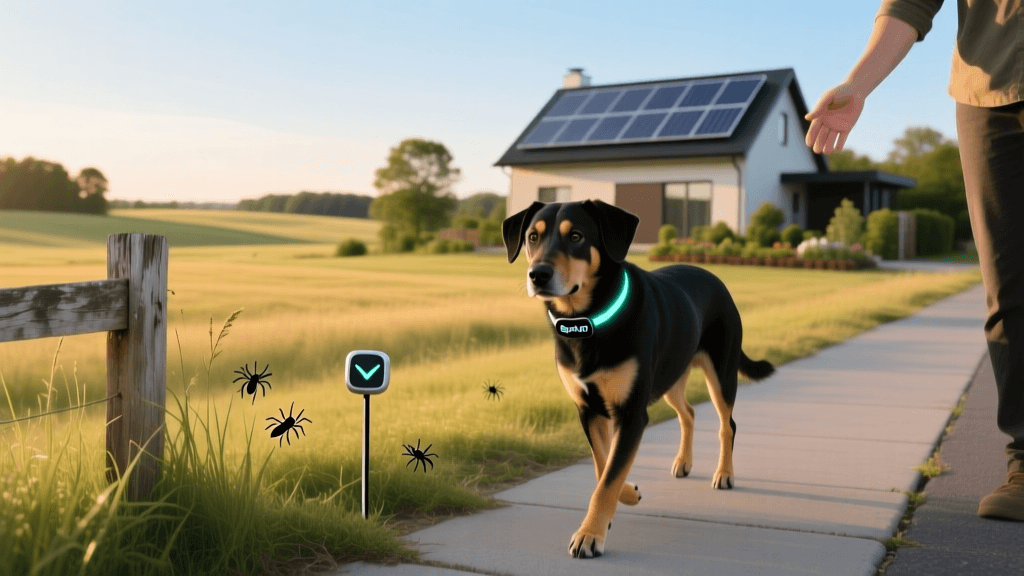
As of 2026, the SpotOn GPS Fence remains the gold standard for rural containment, particularly for properties with heavy tree cover or challenging topography where cellular-dependent collars fail. SpotOn uses a patented True Location technology that connects to up to 30 satellites simultaneously, ensuring your dog's boundary is respected even in dense woods or deep ravines.
- Cost in 2026: The collar retails for approximately $995, with an optional cellular subscription (required for real-time tracking and escape alerts, but not for the fence itself) costing around $8 to $9 per month.
- Setup Time: Walking the perimeter with the collar takes about 30 minutes for a 5-acre property.
- Minimum Property Size: SpotOn recommends a minimum of 5 acres for optimal virtual fence performance, though it can be used on smaller properties with careful boundary planning.
The Training Protocol
Never simply put the GPS collar on your city dog and let them loose. The training protocol takes 14 to 21 days. 1. Days 1-5: Walk the boundary with your dog on a long lead. Let the collar emit its warning tone. Reward them heavily for retreating toward you when they hear the tone. 2. Days 6-14: Introduce the optional static correction on the lowest level, continuing to use a long lead to prevent them from actually running through the boundary. 3. Days 15+: Begin off-leash testing only under strict supervision, utilizing high-value treats to reinforce the 'safe zone' inside the boundary.
Parasite Prevention: Upgrading Your Dog's Medical Shield
City dogs often get away with basic, seasonal flea and tick prevention. Concrete and asphalt do not harbor ticks. However, moving to a rural property means your dog will be exposed to tall grasses, wooded areas, and local wildlife—all of which are prime vectors for severe parasitic diseases.
The American Veterinary Medical Association (AVMA) strongly advises year-round, broad-spectrum parasite prevention for dogs spending time in rural or wooded environments. In 2026, the veterinary consensus heavily favors all-in-one oral preventatives like Simparica Trio or NexGard PLUS.
The Rural Parasite Threat Matrix
- Ticks: Rural properties harbor deer ticks (Lyme disease), American dog ticks (Rocky Mountain Spotted Fever), and Lone Star ticks (Ehrlichiosis). You must perform daily tick checks, focusing on the ears, armpits, and between the toes.
- Heartworm: Mosquitoes are prevalent near rural ponds and creeks. Missing a single month of heartworm prevention can be fatal.
- Intestinal Parasites: Exposure to deer, rabbit, and rodent feces drastically increases the risk of hookworms, roundworms, and tapeworms. Annual fecal exams are now a mandatory part of your rural dog's healthcare routine.
Wildlife Encounters and Snake Avoidance
A city dog's biggest threat might be an off-leash neighborhood terrier. A rural dog faces coyotes, foxes, birds of prey, and venomous snakes. If you are moving to an area with a high population of rattlesnakes or copperheads, enrolling your dog in a Snake Avoidance Clinic is highly recommended before their first spring off-leash hike. These clinics use professional handlers and safely muzzled, captive snakes to teach your dog to associate the sight, sound, and smell of a snake with a negative stimulus, triggering an automatic retreat response.
Furthermore, invest in a high-quality LED collar light, such as the Orbiloc Dual Safety Light, for evening bathroom breaks. Rural nights are pitch black, and making your dog visible to both you and passing wildlife is crucial for preventing territorial disputes with nocturnal predators.
The 'Decompression' Period: Managing Sensory Overload
When a dog moves from a high-stimulus, confined city environment to a massive, quiet, but scent-heavy rural environment, they can experience a behavioral phenomenon known as 'sensory overload.' The sheer volume of new smells—deer urine, fox tracks, damp earth—can cause a city dog to become hyper-vigilant, anxious, or prone to fence-running.
Implement a strict Two-Week Decompression Protocol upon arrival:
- Limit the Territory: Do not give your dog access to the entire house or property on day one. Set up a 'basecamp' in one room with their familiar city bed, crates, and toys.
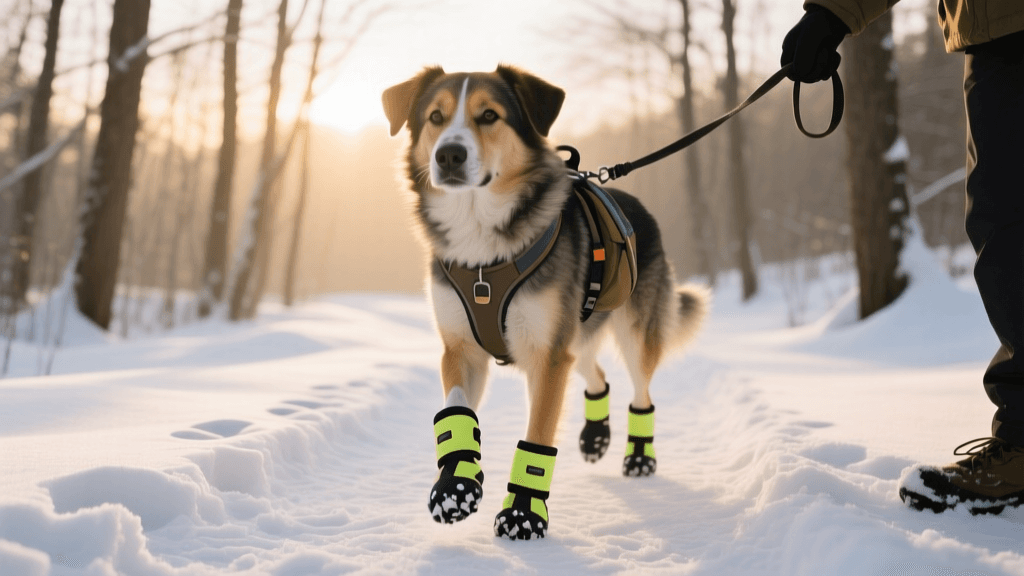
- Leash Exploration: For the first two weeks, take your dog on long-line (15-30 foot) leash walks around the property. Let them sniff and process the new environment without the pressure or danger of being off-leash.
- White Noise: The silence of the country can actually be terrifying to a dog used to city sirens and traffic. Use a white noise machine or a fan in their sleeping area to mimic the ambient hum of the city and promote restful sleep.
Mastering the Emergency Recall
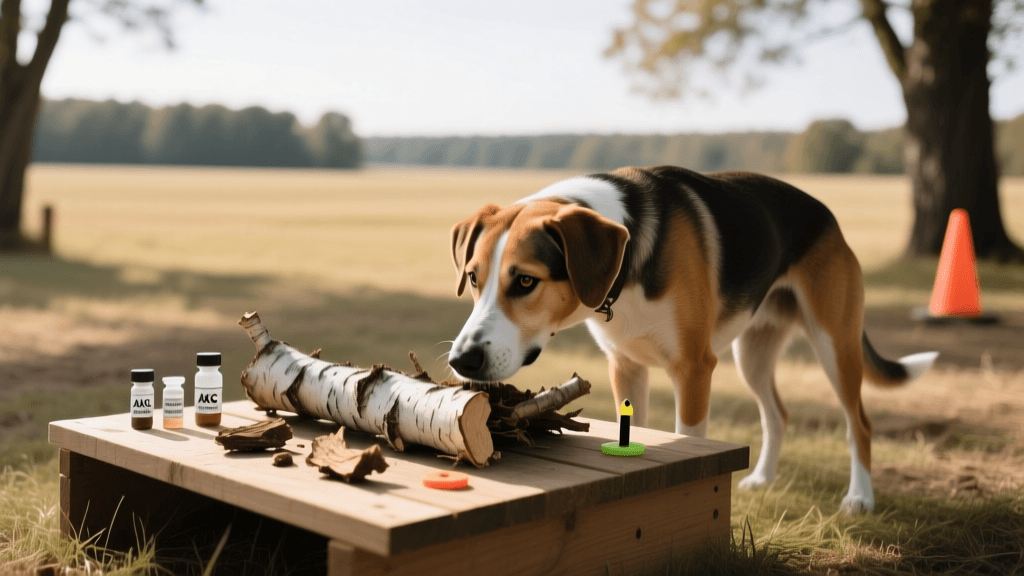
In a city, a failed recall means your dog might run into a busy intersection. In the country, a failed recall means your dog might chase a deer into the next county or provoke a porcupine. According to training guidelines published by the American Kennel Club (AKC), a reliable recall is the single most important life-saving cue your dog can learn.
Before moving, train an Emergency Whistle Recall. Dogs hear high-frequency whistles from much further away than the human voice, and the sound cuts through wind and rustling leaves. 1. Pair a specific whistle sequence (e.g., two short blasts) with an ultra-high-value reward (like boiled chicken or freeze-dried liver). 2. Practice in low-distraction environments, then gradually move to higher-distraction outdoor areas. 3. Never use the emergency whistle for mundane tasks like calling them inside from the yard; reserve it exclusively for life-threatening rural scenarios.
City vs. Rural Dog Transition Checklist (2026 Cost & Prep)
| Category | City Dog Setup (Previous) | Rural Dog Setup (2026 Upgrade) | Estimated Cost / Action |
|---|---|---|---|
| Containment | Apartment walls / Leash | SpotOn GPS Virtual Fence | ~$995 + $8/mo sub |
| Parasite Meds | Seasonal basic topical | Year-round Simparica Trio | ~$250 - $300 / year |
| Visibility | Standard reflective harness | Orbiloc Dual LED Safety Light | ~$35 |
| First Aid | Basic bandages | Rural K9 Trauma Kit (Tweezers, Benadryl, QuikClot) | ~$80 - $120 |
| Training | Urban leash manners | Emergency Whistle & Snake Avoidance | $150 - $300 (Clinics) |
Conclusion: Patience is Your Greatest Tool
Transitioning your dog from a city apartment to a rural homestead in 2026 is an incredibly rewarding journey, but it requires meticulous planning, upgraded safety gear, and a deep understanding of canine psychology. By investing in reliable GPS containment like the SpotOn collar, upgrading their veterinary parasite protocols, and respecting their need for a gradual sensory decompression, you ensure that your dog doesn't just survive the move—they thrive in their new, expansive world. Give them the time, structure, and training they need, and your rural property will quickly become the paradise you both envisioned.
priya-sutaria
All our authors care for dogs every day — read more of their work on the authors page.