City Life With a Border Collie: Daily Survival Guide
Discover how to thrive in the city with a Border Collie. Learn daily routines, mental enrichment tips, and the best urban gear for herding breeds.
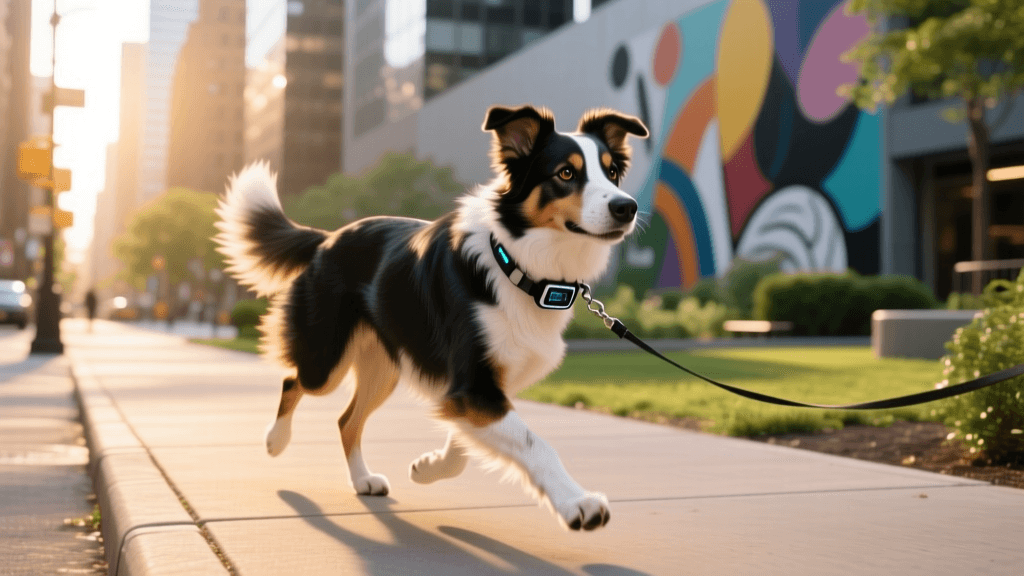
The Urban Border Collie: Bred for the Farm, Living in the Concrete Jungle
Border Collies are widely celebrated as the most intelligent and energetic of all domestic dog breeds. Historically bred to herd sheep across the rugged, expansive terrains of the Anglo-Scottish border, these dogs possess an innate drive to work, move, and problem-solve. However, modern urbanization means that many Border Collies now find themselves navigating concrete sidewalks, crowded parks, and apartment living. According to the American Kennel Club (AKC), the Border Collie is a highly active breed that requires substantial daily exercise and mental stimulation to prevent destructive behaviors. Living in a city with a herding breed is not impossible, but it demands a strategic, structured approach to daily life. This deep dive explores how to fulfill your Border Collie's biological imperatives without a farm, ensuring a harmonious life in the urban jungle.
A Structured Daily Routine for the Urban Herder
Border Collies thrive on predictability and purpose. In a rural setting, their 'job' is dictated by the livestock and the farmer. In the city, you must become the architect of their daily purpose. Without a structured routine, a Border Collie will invent their own jobs—which often involve herding your children, chasing cars, or dismantling your drywall.
Morning: Decompression and Focus (6:30 AM - 8:00 AM)
Start the day with a 'sniffari' rather than a high-intensity run. Take your dog to a quiet, grassy area or use a long line (15 to 30 feet) in a local park. Allow them to sniff and decompress. Sniffing lowers a dog's heart rate and provides immense mental fatigue. Follow this with 15 minutes of focused obedience training, practicing recalls, directional cues (left and right), and impulse control exercises like 'leave it' with high-value treats.
Mid-Day: Mental Fatigue and Independent Work (12:00 PM - 2:00 PM)
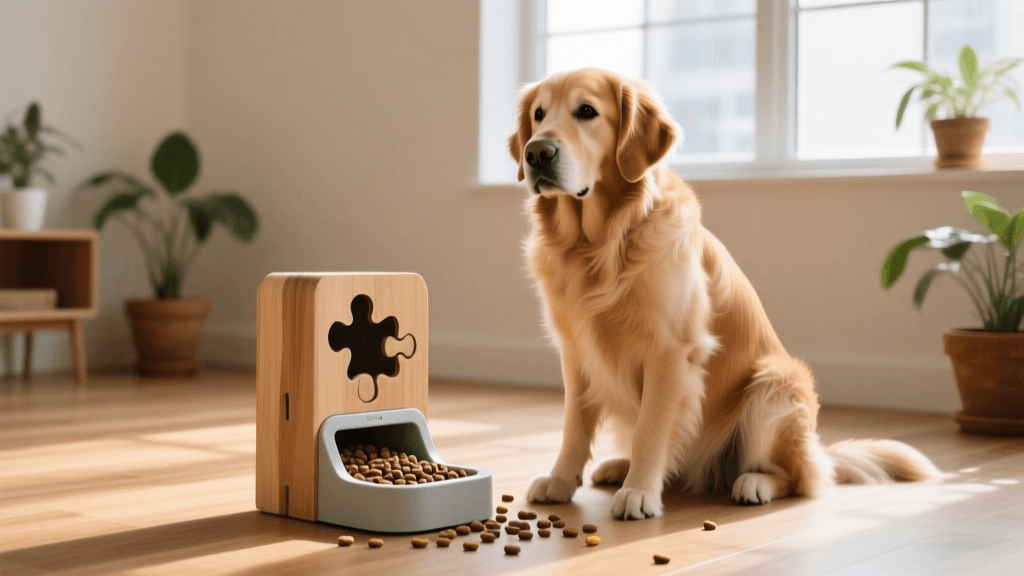
If you work from home or have a mid-day break, this is the time for independent problem-solving. Border Collies need to learn how to switch off, but they need a 'job' to help them do it. Provide a frozen enrichment toy or a complex puzzle feeder. This mimics the sustained focus required for herding, tiring their brain without requiring your constant supervision.
Evening: Physical Outlet and Bonding (6:00 PM - 8:00 PM)
Evenings are for burning off the day's accumulated physical energy and engaging in structured play. This is the ideal time for a trip to a secure, fenced off-leash area for a game of fetch, frisbee, or flirt pole work. Alternatively, attend an urban dog sport class (more on this below). End the night with a 20-minute decompression walk around the block to lower their arousal levels before bedtime.
Physical Exhaustion vs. Mental Enrichment
A common trap for urban Border Collie owners is the belief that they can simply run their dog into submission. Throwing a tennis ball for two hours at the local park often creates a canine marathon runner with an endless tolerance for physical exertion, but a brain that remains entirely unfulfilled. According to animal welfare experts at the Best Friends Animal Society, mental enrichment and scent work can be significantly more tiring for a dog than pure physical exercise. Fifteen minutes of intense cognitive work, such as shaping new tricks or navigating a scent maze, can equate to an hour of vigorous running.
For the city-dwelling Border Collie, the golden ratio is roughly 70% mental enrichment and 30% structured physical exercise. Physical exercise should always have rules attached to it. Instead of mindlessly chasing a ball, your dog should practice a 'sit-stay' while you throw it, wait for a release cue, retrieve it, and drop it into a basket. This turns a simple game of fetch into a complex herding simulation that requires impulse control and focus.
Essential Urban Gear for Herding Breeds
Equipping yourself with the right tools is vital for managing a high-drive dog in a high-density environment. Below is a comparison chart of essential gear tailored for the urban Border Collie, including estimated costs and daily time commitments.
| Product Category | Specific Recommendation | Primary Purpose | Estimated Cost | Daily Time Use |
|---|---|---|---|---|
| Complex Puzzle Toy | Outward Hound Nina Ottosson Dog Brick | Cognitive fatigue and problem-solving | $15 - $25 | 15 - 20 mins |
| Foraging Mat | Paw5 Wooly Snuffle Mat | Mimics grazing; lowers arousal | $40 - $60 | 20 - 30 mins |
| Structured Play Tool | Squishface Studio Flirt Pole | Outlets prey drive safely in small spaces | $25 - $40 | 10 - 15 mins |
| Long Line Lead | Biothane 30-Foot Training Leash | Safe recall practice in unfenced urban parks | $30 - $50 | 30+ mins |
| GPS Tracker | Fi Series 3 Smart Collar | Escape prevention and daily step tracking | $99 + Sub | Continuous |
Investing in a high-quality flirt pole is particularly crucial for apartment dwellers. It allows you to satisfy your dog's intense prey and herding drive in a small backyard or empty tennis court without requiring you to run. Always enforce 'drop it' and 'wait' commands during flirt pole sessions to maintain control over their arousal levels.
Managing the 'Herding Eye' on City Streets
The Border Collie's signature 'herding eye'—an intense, unblinking stare used to control the movement of sheep—can become a major liability in the city. In an urban environment, bicycles, skateboards, delivery trucks, and running children can trigger this instinct. If left unmanaged, a Border Collie may attempt to nip at the heels of a passing cyclist or lunge into traffic to 'herd' a moving car.
To combat this, urban owners must implement the 'Look at That' (LAT) training protocol, developed by dog trainer Leslie McDevitt. The goal is to change your dog's emotional and instinctual response to moving triggers.
- Step 1: Find the Threshold. Identify the distance at which your dog notices a skateboarder but remains under their threshold of reactivity (usually 30 to 50 feet in a city).
- Step 2: Mark and Reward. The moment your dog looks at the skateboarder, use a clicker or a verbal marker like 'Yes!', and immediately feed a high-value treat (like boiled chicken or freeze-dried liver).
- Step 3: Disengage. The treat naturally pulls the dog's head away from the trigger. Over time, the dog learns that looking at a skateboard predicts a reward, rather than predicting a chance to chase.
- Step 4: Decrease Distance. Over weeks of consistent practice, gradually close the distance to the triggers while maintaining a high rate of reinforcement.
Never punish a Border Collie for staring at a moving object; the instinct is hardwired into their DNA. Instead, redirect that focus back to you using a solid 'watch me' command and reward heavily for voluntary disengagement.
Urban Dog Sports: Channeling the Drive
Because Border Collies require a 'job,' city dwellers must look to organized dog sports to provide an appropriate outlet. While you may not have sheep, the urban landscape offers a variety of competitive and recreational avenues. The United States Dog Agility Association (USDAA) and other local organizations frequently host indoor and outdoor agility classes in metropolitan areas. Agility perfectly mimics the physical demands and handler-dog communication required in herding.
If agility is too difficult to access, consider Treibball, often referred to as 'urban herding.' This sport involves the dog using their nose and shoulders to herd large yoga balls into a designated goal area, directed entirely by the handler's verbal and whistle cues. It requires zero livestock, minimal space, and perfectly satisfies the herding instinct. Additionally, Scent Work or Nosework is an excellent indoor activity that allows your dog to use their powerful olfactory senses to locate hidden essential oils, providing immense mental exhaustion on rainy city days.
Final Thoughts on City Living
Sharing your urban life with a Border Collie is a profound commitment that goes far beyond a simple morning walk. It requires a lifestyle adjustment where mental enrichment, structured training, and impulse control become daily priorities. By replacing mindless physical exhaustion with targeted cognitive challenges, utilizing the right urban gear, and proactively managing their herding instincts around city traffic, you can help your Border Collie thrive. The concrete jungle may not be the Scottish Highlands, but with the right routine, it can be a deeply fulfilling home for the world's most brilliant working dog.
hannah-wickes
All our authors care for dogs every day — read more of their work on the authors page.