Your New Dog's First Week: Daily Wellness & Potty Schedule
Master your new dog's first week with a proven daily wellness and potty schedule. Expert tips on feeding, walking, and sleep for a smooth transition.
Welcome Home: The Importance of a First-Week Wellness Routine
Bringing a new dog or puppy into your home is an exhilarating milestone, but it can also be a period of immense stress for your new companion. The transition from a shelter, foster home, or breeder into an entirely new environment triggers a psychological response that requires careful management. Establishing a strict, predictable daily wellness and potty schedule during the very first week is the single most effective way to reduce anxiety, prevent behavioral issues, and build a foundation of trust.
Animal behaviorists often refer to the '3-3-3 Rule' of dog adoption: three days to decompress, three weeks to learn your routine, and three months to truly feel at home. During those critical first three days, your dog is likely overwhelmed. By implementing a structured wellness routine, you remove the guesswork from their day. They learn exactly when they will eat, when they will go outside, and when it is time to rest. According to the ASPCA's general dog care resources, predictability is a cornerstone of canine behavioral health, significantly reducing the likelihood of separation anxiety and destructive habits.
The Core Pillars of Canine Wellness
A comprehensive wellness routine goes far beyond simply taking your dog outside to relieve themselves. It encompasses four vital pillars that support their physical and mental health during the acclimation period.
1. Precision Nutrition and Hydration
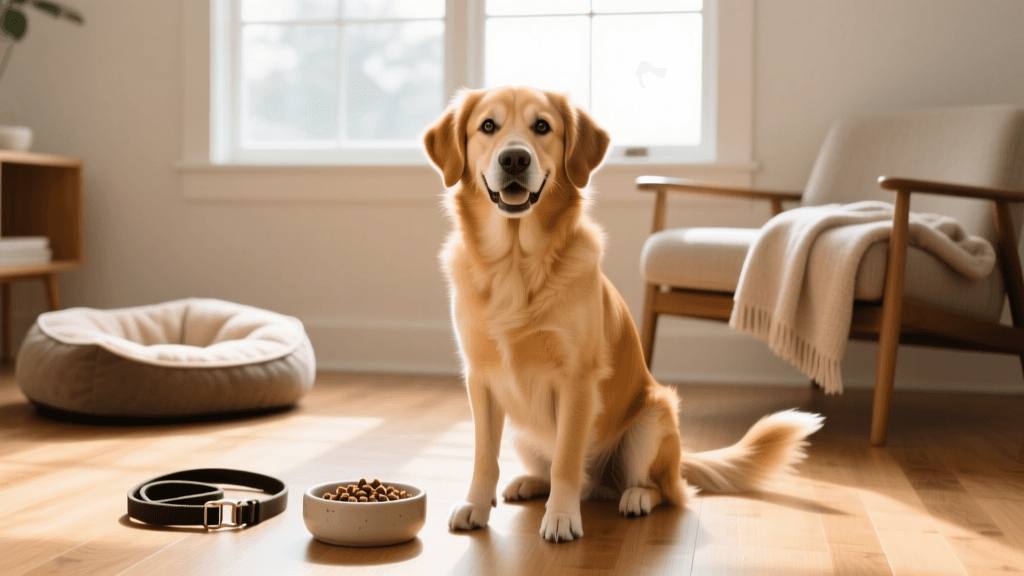
During the first week, stick strictly to the diet your dog was previously eating to avoid gastrointestinal upset. If you plan to transition to a new food, wait until week two. Instead of using a standard measuring cup, which can vary in kibble density by up to 20%, use a digital kitchen scale to weigh your dog's meals. For example, if the feeding guide suggests 1.5 cups, weigh that amount once (e.g., 140 grams) and use that gram measurement for consistency. Ensure fresh water is available at all times, and monitor their intake; a sudden drop in hydration can be an early indicator of stress or illness.
2. Physical Exercise and Mental Enrichment
Physical exercise should be tailored to your dog's age and breed, but mental enrichment is universally tiring and calming. A 15-minute 'sniffari'—a slow walk where the dog is allowed to stop and sniff every bush and tree—burns as much mental energy as a 45-minute brisk walk. Incorporate puzzle feeders, snuffle mats, and lick mats to engage their natural foraging instincts and lower their heart rate.
3. Decompression and Sleep Hygiene
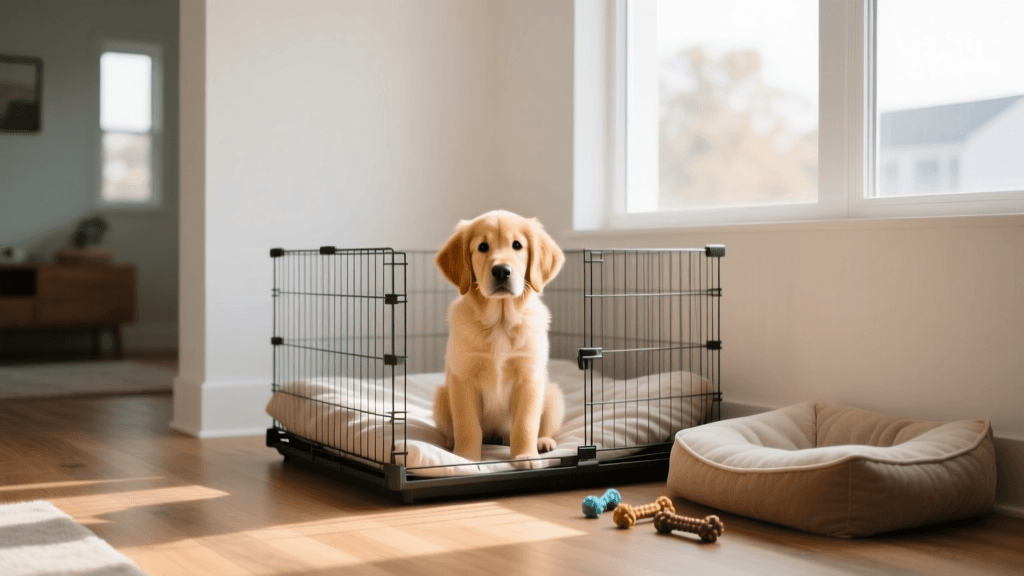
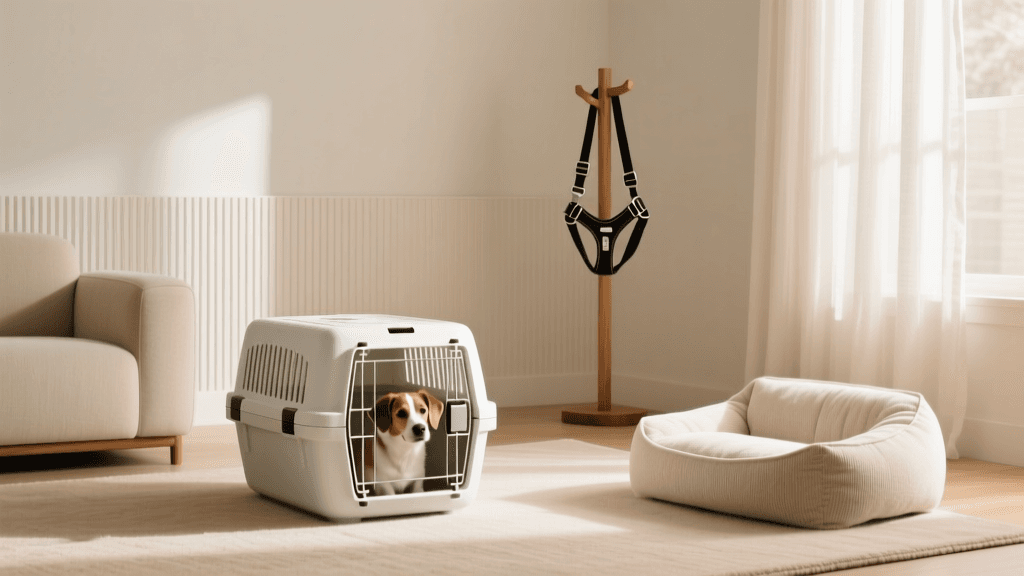
Adult dogs require 12 to 14 hours of sleep per day, while puppies may need up to 18 to 20 hours. Overstimulating a new dog with constant play or introducing them to too many visitors in the first week will lead to an overtired, cranky, and bitey pet. Enforce mandatory nap times in a quiet, dimly lit crate or a designated pen area.
4. Potty Training Integration
Potty training is not a separate activity; it is woven into the fabric of your daily schedule. The ASPCA's potty training guidelines emphasize that taking your dog out at the exact same intervals every day, paired with high-value treats immediately after they eliminate, creates a reliable habit. Keep a log of their bathroom breaks during the first week to identify their natural biological clock.
The Ultimate First-Week Daily Schedule
Below is a highly structured, time-blocked schedule designed for a newly adopted adult dog or an older puppy (over 6 months). This routine balances activity with mandatory decompression. If you are bringing home an 8-to-12-week-old puppy, you will need to double the frequency of the potty breaks and increase the total sleep time.
| Time | Activity | Wellness Focus & Actionable Details |
|---|---|---|
| 6:30 AM | Wake Up & Immediate Potty | Carry or leash the dog directly outside. Use a consistent cue word like 'Go potty.' Reward with a high-value treat (e.g., freeze-dried liver) within 2 seconds of finishing. |
| 6:45 AM | Breakfast & Hydration | Serve precisely measured meals. Use a slow-feeder bowl if your dog inhales their food to prevent bloat and improve digestion. |
| 7:15 AM | Post-Meal Potty Break | Dogs typically need to eliminate 15 to 30 minutes after eating. Keep this trip strictly business—no play. |
| 7:30 AM | Morning Sniffari Walk | 20 to 30 minutes of leash walking on a long line (10-15 feet). Allow the dog to map the neighborhood through scent. |
| 8:30 AM | Mandatory Morning Nap | Dog goes into the crate or pen with a safe chew (e.g., a bully stick or a KONG Classic stuffed with plain pumpkin). Cover the crate partially to signal sleep time. |
| 11:30 AM | Mid-Day Potty & Play | Quick potty break followed by 15 minutes of indoor training or mental enrichment, such as teaching 'touch' or 'sit' using positive reinforcement. |
| 12:00 PM | Afternoon Nap | Enforced rest period. The house should be kept relatively quiet to encourage deep REM sleep, which is vital for immune system recovery. |
| 3:00 PM | Potty & Solo Enrichment | After the potty break, provide a lick mat (e.g., Hyper Pet IQ Treat Mat) smeared with plain Greek yogurt and frozen. Licking releases endorphins and soothes anxiety. |
| 4:30 PM | Afternoon Nap | Final enforced rest period before the evening rush. |
| 5:30 PM | Evening Potty & Training | Short potty trip followed by a 10-minute training session. Keep sessions short to prevent frustration. |
| 6:00 PM | Dinner | Second measured meal of the day. Pick up the water bowl two hours before bedtime if you are actively potty training a young puppy. |
| 6:30 PM | Post-Meal Potty | Standard elimination break. |
| 7:00 PM | Evening Decompression | Low-energy bonding time. Gentle petting, massage, or simply sitting in the same room while you read. Avoid high-arousal games like fetch or tug-of-war. |
| 9:30 PM | Final Potty Break | Last trip outside. Keep the lights low and your voice quiet to signal that the day is ending. |
| 10:00 PM | Bedtime | Dog goes into the crate for the night. A white noise machine or a ticking clock can help drown out startling household sounds. |
Managing Accidents with the Right Protocol
Even with a flawless schedule, accidents will happen during the first week. How you handle them is critical to your dog's wellness and your ongoing training success. Never punish a dog for an indoor accident; this only teaches them to hide from you when they need to eliminate, leading to them sneaking behind furniture to pee.
Instead, interrupt the act with a neutral sound like 'Oops!' and immediately guide them outside to finish. When cleaning indoor accidents, you must use an enzymatic cleaner specifically designed to break down uric acid crystals. Standard household cleaners or vinegar will not remove the pheromones that signal to your dog that this spot is a bathroom. Products like Nature's Miracle Advanced Enzymatic Cleaner or Rocco & Roxie Stain & Odor Eliminator are essential first-week purchases. Soak the area thoroughly and allow it to air dry completely.
Adjusting the Routine for Age and Breed
While the schedule above provides a robust framework, you must adjust it based on your specific dog's profile. The American Veterinary Medical Association (AVMA) notes that wellness routines must be tailored to the physiological and psychological needs of the individual animal.
Puppies vs. Adult Dogs
If you are bringing home an 8-week-old puppy, their bladder capacity is roughly one hour per month of age. This means your puppy can only 'hold it' for about two hours. You will need to set alarms during the night (e.g., at 1:00 AM and 4:00 AM) for potty breaks. Furthermore, puppies require significantly more sleep; their awake windows should not exceed 45 to 60 minutes before they become overtired and require another nap.
Breed Energy Levels
A newly adopted Border Collie or Belgian Malinois will require more intensive mental enrichment than a Basset Hound or Greyhound. For high-drive working breeds, substitute one of the afternoon naps with a structured 'job,' such as scent work or advanced clicker training. Conversely, sighthounds and brachycephalic (flat-faced) breeds may require shorter, more frequent walks to prevent respiratory or joint strain, favoring longer decompression periods.
Essential Wellness Gear for Week One
To successfully execute this daily schedule, having the right tools on hand before your dog arrives is crucial. Here is a curated list of first-week wellness essentials:
- Adaptil Calm Pheromone Diffuser: Plug this in near your dog's crate or primary resting area three days before they arrive. It releases synthetic dog-appeasing pheromones that mimic those produced by a nursing mother, significantly reducing transition anxiety.
- KONG Classic (Red or Black):strong> Stuff with a mixture of your dog's measured daily kibble (soaked in water or low-sodium bone broth) and a dab of plain peanut butter. Freeze it overnight to provide a long-lasting, soothing enrichment activity during crate time.
- Digital Kitchen Scale: Essential for measuring food by weight rather than volume, ensuring your dog maintains a healthy body condition score during the stressful transition period.
- Long-Line Leash (10 to 15 feet): Allows your dog the freedom to explore and sniff on walks while maintaining your control and safety in unfenced areas.
- Enzymatic Stain Remover: Keep this readily accessible to neutralize any accidental pheromone markers inside the home.
Conclusion: Patience is Your Greatest Tool
The first week with a new dog is a marathon, not a sprint. There will be nights with disrupted sleep, moments of frustration, and days where the schedule falls apart. This is entirely normal. The goal of this daily wellness and potty schedule is not to achieve robotic perfection, but to provide a reliable scaffolding that helps your new dog feel safe, understood, and cared for. By prioritizing their need for predictable meals, structured mental enrichment, and abundant sleep, you are actively wiring their brain for confidence and resilience. Stick to the routine, celebrate the small victories, and give both yourself and your new best friend the grace to adjust to this beautiful new chapter together.
tom-renshaw
All our authors care for dogs every day — read more of their work on the authors page.