7 Common Mistakes to Avoid When Preparing for a New Dog
Avoid these 7 common mistakes when preparing your home for a new dog. Learn essential puppy-proofing tips, supply costs, and first-day must-haves.
The Excitement and Reality of Bringing a Dog Home
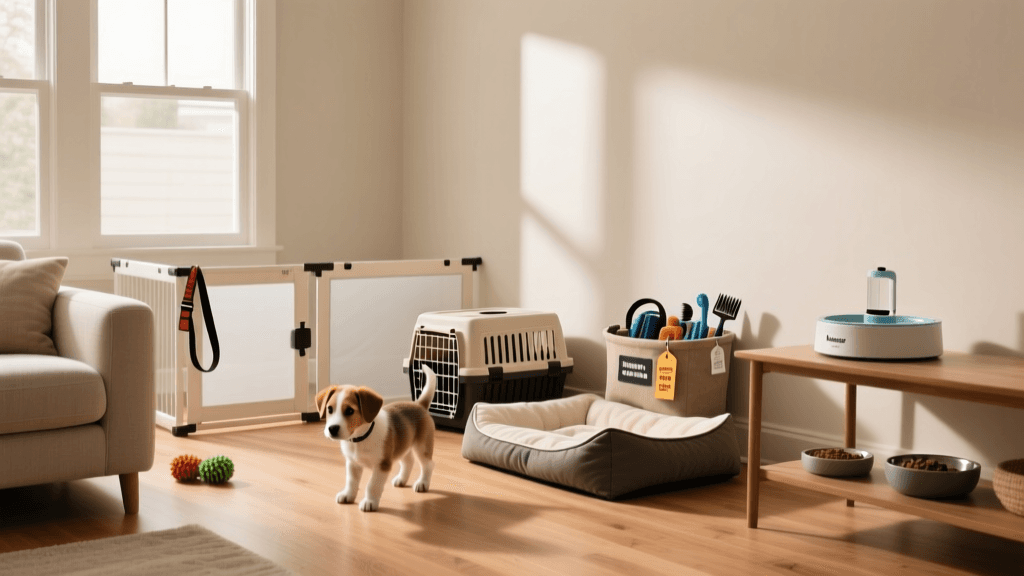
Bringing a new dog into your life is a milestone filled with joy, anticipation, and countless daydreams about future adventures. However, the transition from a shelter or breeder to your living room can be incredibly stressful for a canine if the environment is not properly prepared. Many well-meaning new owners fall into predictable traps that can lead to behavioral issues, destroyed property, and unnecessary veterinary bills. By understanding the common pitfalls of dog preparation, you can set the stage for a seamless transition. Below, we explore seven critical mistakes to avoid when getting a new dog and how to properly prepare your home, budget, and routine for success.
Mistake 1: Underestimating the "Puppy-Proofing" Process
Many new owners do a quick sweep of the living room, pick up a few shoes, and assume the house is safe. True puppy-proofing requires getting down on your hands and knees to see the world from a dog's perspective. Dogs explore the world with their mouths, and everyday household items can be lethal.
One of the most frequent mistakes is leaving toxic houseplants within reach. Sago palms, lilies, and pothos are highly toxic to canines. Furthermore, sugar-free gums and peanut butters containing xylitol are incredibly dangerous and must be locked away. Electrical cords are another major hazard; a chewing puppy can suffer severe burns or electrocution. Invest in split-loom tubing or cord concealers to hide wires behind entertainment centers. Always consult the ASPCA's comprehensive list of toxic and non-toxic plants before bringing any greenery into your home.
Mistake 2: Buying the Wrong Size Crate and Bed
A crate is not a cage; it is a den that provides your dog with a safe, secure space to decompress. A common mistake is buying a massive crate for a puppy, assuming they will "grow into it." If a crate is too large, a puppy will use one corner as a bedroom and the opposite corner as a bathroom, completely derailing your potty training efforts.
The Fix: Purchase a wire crate equipped with an adjustable divider panel. For a medium-sized adult dog (like a Border Collie or Australian Shepherd, typically 30-50 lbs), a 36-inch crate is usually ideal. Measure your dog from the tip of their nose to the base of their tail, and add 2 to 4 inches to determine the minimum length. For height, measure from the floor to the top of their head (or ears, if erect) and add 2 inches. Move the divider panel outward only as your dog grows and demonstrates reliable bladder control.
Mistake 3: Ignoring the True Financial Commitment
Love is free, but canine care is decidedly not. Many first-time owners budget for the adoption fee or initial purchase price but fail to account for the ongoing costs of responsible pet ownership. This leads to deferred veterinary care or reliance on low-quality, filler-heavy foods that cause long-term health issues.
According to the ASPCA's pet care cost estimates, the first year of dog ownership is significantly more expensive than subsequent years due to initial medical procedures, gear, and training. Below is a realistic breakdown of what you should expect to spend.
Estimated Dog Ownership Costs
| Expense Category | Estimated First-Year Cost | Ongoing Annual Cost |
|---|---|---|
| High-Quality Food & Treats | $250 - $700 | $250 - $700 |
| Routine Vet Care & Vaccines | $200 - $500 | $200 - $400 |
| Initial Supplies (Crate, Bed, Leash) | $150 - $350 | $50 - $100 (Replacements) |
| Preventatives (Flea, Tick, Heartworm) | $150 - $250 | $150 - $250 |
| Training & Socialization Classes | $100 - $300 | $0 - $150 |
Note: These figures do not include emergency veterinary care, which is why securing a comprehensive pet insurance policy or maintaining a dedicated $2,000 emergency fund is highly recommended.
Mistake 4: Forcing Socialization Too Early (Ignoring the 3-3-3 Rule)
When you bring a rescue dog home, the temptation is to immediately introduce them to your friends, family, children, and other neighborhood dogs. This is a massive mistake that can lead to fear-based aggression and chronic anxiety. Dogs transitioning to a new environment go through a widely recognized psychological adjustment period known as the "3-3-3 Rule".
- 3 Days to Decompress: Your dog may hide, refuse to eat, or test boundaries. They are overwhelmed by the new smells and sounds.
- 3 Weeks to Learn the Routine: They begin to understand your schedule, learn where the food comes from, and start showing their true personality.
- 3 Months to Feel at Home: Trust and a deep bond are established. The dog finally realizes they are safe and this is their forever home.
As advised by experts at the Humane Society of the United States, you should keep your dog's world incredibly small for the first few weeks. Limit introductions to immediate household members and focus on building trust in a quiet, predictable environment before throwing a "welcome home" party.
Mistake 5: Choosing the Wrong Walking Gear
Walking a dog should be a bonding experience, but many new owners inadvertently create pulling monsters by using the wrong equipment. Attaching a leash to a standard flat collar places immense pressure on a dog's trachea and thyroid gland, which can lead to severe medical issues and a reflexive pulling response (the opposition reflex).
The Fix: Invest in a well-fitted, front-clip no-pull harness, such as the Ruffwear Front Range or the 2 Hounds Design Freedom Harness. A front-clip ring gently redirects the dog's momentum back toward you when they pull, naturally discouraging the behavior without causing pain or choking. Reserve the flat collar strictly for holding ID and rabies tags.
Mistake 6: Using the Wrong Cleaning Products for Accidents
Potty training accidents are inevitable, whether you are bringing home an 8-week-old puppy or an adult rescue. The mistake lies in how you clean up the mess. Standard household cleaners, especially those containing ammonia, smell like urine to a dog's highly sensitive olfactory system. If you clean an accident with an ammonia-based product, you are essentially inviting your dog to use that exact spot as a bathroom again.
Instead, you must use a high-quality enzymatic cleaner, such as Nature's Miracle Advanced Stain & Odor Eliminator or Rocco & Roxie Professional Strength Stain & Odor Remover. Enzymatic cleaners contain specific bacteria that produce enzymes to break down the uric acid crystals in dog urine, completely erasing the scent marker. Always blot the area first, saturate it with the enzymatic cleaner, and let it air dry completely.
Mistake 7: Failing to Establish a Day-One Routine
Dogs thrive on predictability. A lack of structure on the first day can lead to confusion, whining, and separation anxiety. Many owners make the mistake of taking a week off work to cuddle their new dog on the couch 24/7, only to return to work the following Monday, leaving the dog completely unprepared for solitude.
From the very first day, establish a consistent schedule for feeding, potty breaks, playtime, and enforced naps. For a young puppy, this means taking them outside to potty every two hours, immediately after waking up, and within 15 minutes of every meal. Incorporate "alone time" into their daily routine by placing them in their crate or a puppy-proofed pen with a frozen KONG Classic stuffed with dog-safe peanut butter for 30 to 60 minutes while you are in another room. This teaches them that being alone is safe, rewarding, and temporary.
Final Thoughts on Setting Your Dog Up for Success
Preparing for a new dog is about much more than buying cute toys and a plush bed. It requires a strategic approach to home safety, financial planning, and behavioral psychology. By avoiding these seven common mistakes, you protect your home from damage, your wallet from unexpected shocks, and your new best friend from unnecessary stress. Approach the first few months with patience, consistency, and empathy, and you will build a foundation of trust that will last a lifetime.
tom-renshaw
All our authors care for dogs every day — read more of their work on the authors page.