Puppy vs Adult vs Senior: Choosing the Right Dog Life Stage
Discover whether a puppy, adult, or senior dog best fits your lifestyle. Compare costs, training needs, and care requirements for each life stage.
Introduction to Canine Life Stages
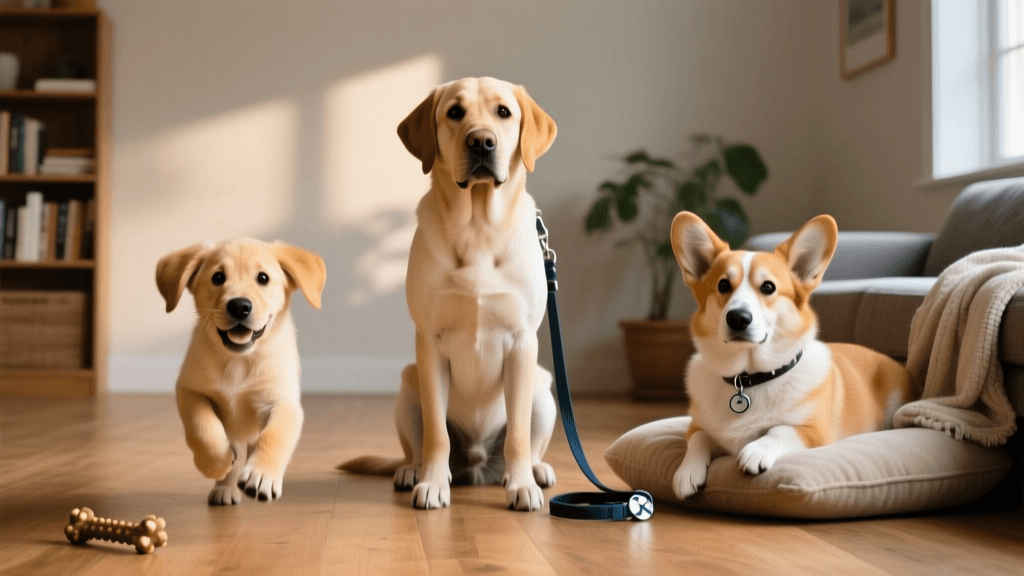
Bringing a new dog into your home is one of the most rewarding experiences in life, but it is also a commitment that spans a decade or more. When most people envision getting a dog, they immediately picture a clumsy, floppy-eared puppy. However, a dog’s life stage—puppy, adult, or senior—profoundly impacts your daily routine, financial obligations, and emotional bandwidth. Choosing the right life stage is just as critical as selecting the right breed or mix. In this comprehensive life stage care guide, we will break down the unique demands, joys, and requirements of puppies, adult dogs, and senior dogs to help you make the most informed decision for your household.
The Puppy Stage: 8 Weeks to 1 Year
Puppies are undeniably adorable, offering the unique opportunity to shape their behaviors and socialization from the very beginning. However, they are essentially canine toddlers. They require immense patience, consistent training, and a highly structured environment. The American Kennel Club (AKC) emphasizes that the critical socialization window closes between 12 and 16 weeks of age, meaning you must safely expose your puppy to various sights, sounds, surfaces, and people during this narrow timeframe (AKC Puppy Socialization).
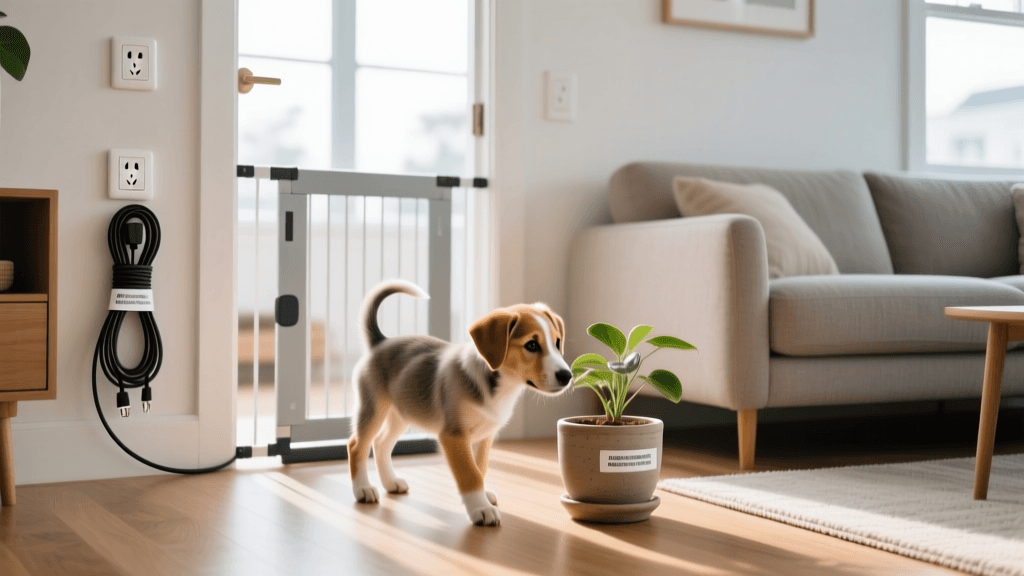
Puppies also demand significant financial investment in their first year. You will need to budget for a series of core vaccinations (such as DHPP and Rabies), deworming, microchipping, and spaying or neutering. Furthermore, puppy-proofing your home is mandatory. You must secure electrical cords, store toxic household cleaners out of reach, and invest in durable chew toys like the Kong Classic to save your baseboards from destructive teething. Expect to spend upwards of $2,500 to $3,500 in the first twelve months alone, factoring in veterinary care, puppy kindergarten classes, premium puppy food (like Purina Pro Plan Puppy), and essential gear.
The Adult Stage: 1 to 7 Years
Adopting an adult dog is often the sweet spot for first-time owners or busy households. By the time a dog reaches adulthood, their personality, energy level, and size are fully established—eliminating the guesswork associated with puppies. Many adult dogs in rescue organizations are already house-trained and understand basic commands like "sit" and "down."
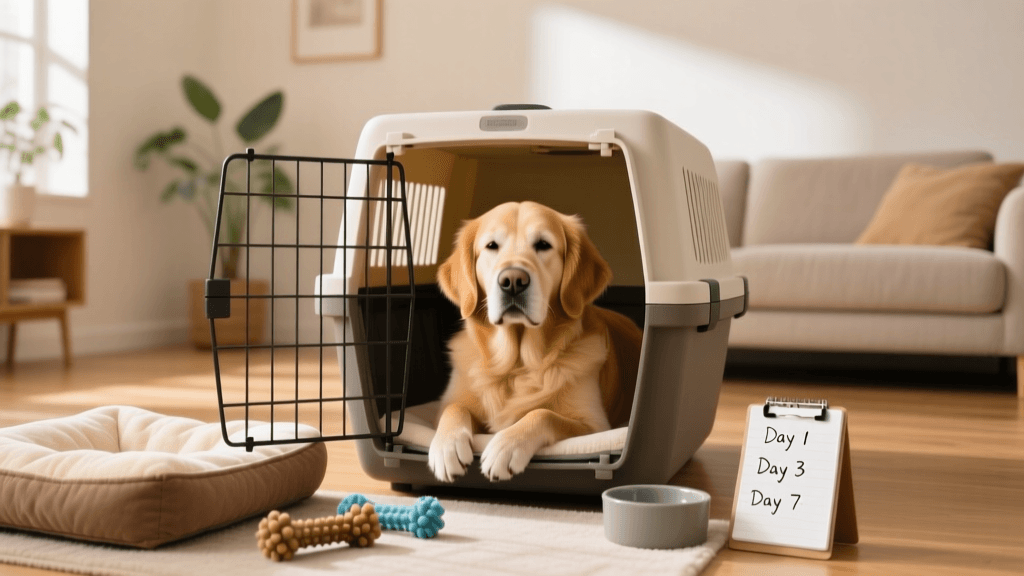
However, adopting an adult dog requires an understanding of the "3-3-3 Rule." This widely accepted rescue guideline suggests that a dog needs three days to decompress from the stress of a shelter, three weeks to learn your household routine, and three months to truly feel at home and bonded. During this transition, consistency is key. According to the American Society for the Prevention of Cruelty to Animals (ASPCA), routine veterinary care, high-quality nutrition, and preventative medications form the baseline of responsible adult dog ownership (ASPCA Financial Planning for Pet Owners). Annual costs for an adult dog generally stabilize, averaging between $1,500 and $2,500 depending on your region, the dog's size, and any emerging health issues like allergies or dental disease.
The Senior Stage: 7 Years and Older
Senior dogs are the unsung heroes of the rescue world. Often overlooked in favor of younger animals, senior dogs offer a profoundly deep, calm, and grateful companionship. The definition of "senior" varies by size; giant breeds like Great Danes may enter their senior years at age five or six, while small breeds like Chihuahuas might not show signs of aging until age ten or eleven.
The American Veterinary Medical Association (AVMA) notes that senior dogs require specialized care, including bi-annual veterinary checkups, blood panels to monitor organ function, and joint support (AVMA Senior Dog Care). While their exercise needs decrease to gentle, short walks, their medical needs often increase. You should budget for joint supplements like Dasuquin or Cosequin, prescription diets for kidney or heart health, and comfort items. An orthopedic memory foam bed, such as the Big Barker 7-inch pillow top, is essential for preventing pressure sores and supporting arthritic joints. Adopting a senior dog is a deeply rewarding act of compassion, providing a loving sanctuary for an animal in its twilight years.
Life Stage Comparison Chart
| Life Stage | Daily Exercise Needs | Training Requirements | Est. Annual Cost | Best Suited For |
|---|---|---|---|---|
| Puppy (8w - 1yr) | Short, frequent play sessions (5 mins per month of age) | High: Potty training, crate training, basic obedience, socialization | $2,500 - $3,500+ | Work-from-home individuals, experienced owners, families with older children |
| Adult (1 - 7yrs) | 1 to 2 hours of structured walking and play | Moderate: Reinforcement of manners, leash walking, bonding exercises | $1,500 - $2,500 | Active professionals, first-time owners, families with young children |
| Senior (7+ yrs) | 30 to 45 minutes of gentle, low-impact walking | Low: Basic household rules, gentle cognitive enrichment | $1,800 - $3,000+ (Medical heavy) | Retirees, apartment dwellers, low-energy households, compassionate adopters |
Matching Your Human Life Stage to Your Dog's
When deciding which dog to bring home, you must honestly evaluate your own human life stage and daily bandwidth.
- Young Professionals & Students: If you work long hours outside the home or have an unpredictable social schedule, a puppy will suffer from isolation and develop behavioral issues. An independent, lower-energy adult dog or a senior dog is a much more humane and practical choice.
- Families with Young Children: Toddlers and puppies can be a chaotic, overwhelming mix. Puppies have sharp teeth and fragile bodies, while toddlers are uncoordinated. A sturdy, well-socialized adult dog (ages 2 to 5) with a known history of tolerating children is often the safest and most enjoyable route for young families.
- Retirees & Empty Nesters: Seniors or older adults often benefit immensely from a senior dog. The exercise requirements align perfectly, and the quiet companionship provides immense mental health benefits without the physical strain of leash-pulling or the sleep deprivation of puppy potty training.
Essential First-Day Supplies by Life Stage
Preparing your home before the dog arrives is crucial for a smooth transition. Here are the specific, life-stage-appropriate supplies you should have ready on day one:
For Puppies
- Crate: A wire crate with an adjustable divider panel (e.g., MidWest Homes for Pets iCrate). Buy the size they will need as an adult, but use the divider to keep the space small for potty training.
- Cleaning: Nature's Miracle Advanced Stain and Odor Eliminator. Enzymatic cleaners are non-negotiable for puppy accidents.
- Teething Relief: Nylabone Puppy Chew Toys and a Kong Classic that can be stuffed with plain pumpkin puree and frozen.
For Adult Dogs
- Leash & Harness: A 6-foot leather or biothane leash (avoid retractable leashes for training) and a front-clip no-pull harness like the Ruffwear Front Range.
- Food Transition: Ask the shelter or breeder for a small bag of their current food. Mix it 50/50 with your chosen high-quality adult kibble over 7 days to prevent gastrointestinal upset.
- Enrichment: Snuffle mats and puzzle feeders to engage their adult brain and slow down fast eaters.
For Senior Dogs
- Mobility Aids: PetSafe CozyUp Folding Pet Steps or a folding car ramp to help them access couches, beds, and SUVs without straining their joints.
- Bedding: A high-density orthopedic memory foam bed placed in a draft-free, quiet corner of the home.
- Dietary Support: Elevated food and water bowls to reduce neck strain, and a veterinarian-approved joint supplement containing glucosamine and chondroitin.
Conclusion
There is no single "best" life stage for a new dog; there is only the best life stage for your specific lifestyle, budget, and household dynamics. Puppies offer a blank canvas but demand immense time and financial resources. Adult dogs provide established personalities and fit seamlessly into active routines. Senior dogs offer profound, quiet gratitude and are desperately in need of loving homes. By objectively evaluating the care requirements, costs, and daily realities of each life stage, you can ensure that the dog you bring home is a perfect match for your family, setting the foundation for a lifetime of mutual love and companionship.
anouk-beaumont
All our authors care for dogs every day — read more of their work on the authors page.