Step-by-Step Guide to Stress-Free Car Rides With Your Dog
Learn how to train your dog to love car rides with this step-by-step guide. Overcome vehicle anxiety and motion sickness safely.
Why Do Dogs Fear the Car?
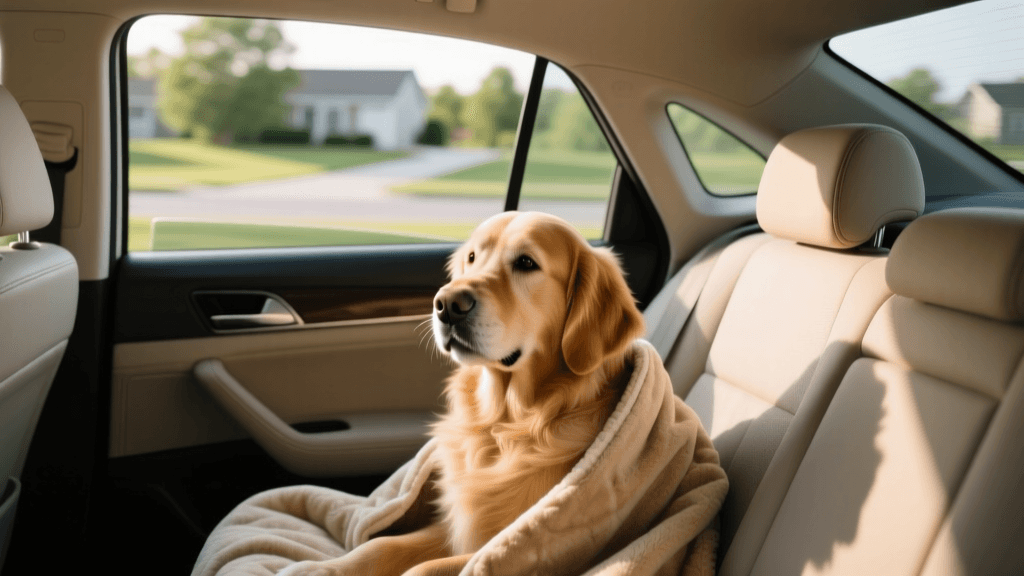
For many dog owners, hitting the road with their furry best friend is a dream. However, for dogs who experience car anxiety or motion sickness, a simple trip to the park or the vet can turn into a stressful ordeal characterized by whining, pacing, drooling, or even vomiting. According to the American Society for the Prevention of Cruelty to Animals (ASPCA), motion sickness in dogs is often tied to an underdeveloped vestibular system in puppies, or it can manifest as psychological anxiety stemming from past negative experiences, such as frequent trips to the veterinarian.
Overcoming this fear requires patience, positive reinforcement, and a structured desensitization protocol. By breaking the car ride down into manageable, rewarding steps, you can rewire your dog's emotional response to the vehicle. This comprehensive, step-by-step training guide will help you transform your anxious passenger into an eager road-trip companion.
Step 1: Selecting the Right Safety Restraint
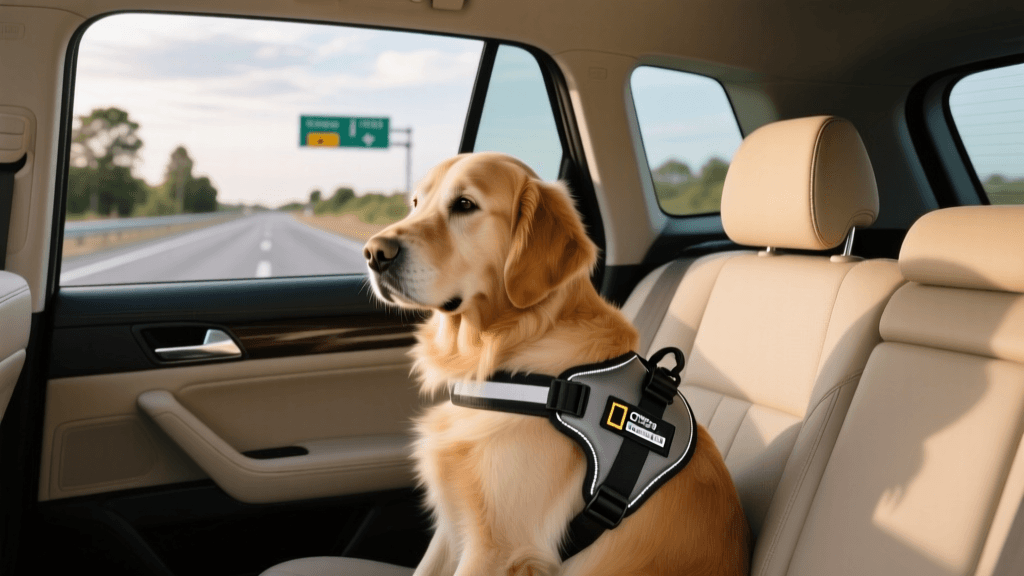
Before you begin training, you must establish a safe, secure environment inside the vehicle. An unrestrained dog is a projectile in the event of a crash and can easily become distracted or anxious due to the lack of physical boundaries. The Center for Pet Safety conducts rigorous crash testing on pet travel products, and their data shows that not all harnesses or crates are created equal. Below is a comparison of common restraint systems to help you choose the best option for your dog's size and temperament.
| Restraint Type | Safety Level | Best For | Estimated Cost |
|---|---|---|---|
| Crash-Tested Crate (e.g., Gunner G1) | Excellent (5-Star) | High-anxiety dogs, large breeds, long road trips | $500 - $700 |
| Crash-Tested Harness (e.g., Kurgo Tru-Fit, Sleepypod Clickit) | Very Good (4 to 5-Star) | Medium to large dogs, SUVs, hatchbacks | $70 - $100 |
| Soft-Sided Carrier (e.g., Sleepypod Mobile Pet Bed) | Very Good (4 to 5-Star) | Small dogs and puppies (under 15 lbs) | $150 - $250 |
| Standard Wire Crate | Poor (Not Crash-Tested) | Not recommended for vehicle travel | $40 - $80 |
| Seat Belt Tether (Zipline style) | Poor (Fails crash tests) | Not recommended for safety; only prevents roaming | $15 - $30 |
Pro Tip: For dogs with severe anxiety, a covered, crash-tested crate provides a den-like environment that blocks out visually overstimulating traffic. Leave about 2 inches of slack in your harness tether to allow your dog to sit or lie down comfortably without restricting their breathing.
Step 2: The Stationary Desensitization Protocol (Days 1-5)
The goal of this phase is to change your dog's emotional association with the car from 'scary' to 'highly rewarding.' Do not start the engine during this phase.
Day 1-2: Proximity and Engagement
Park your car in a quiet, familiar driveway. With your dog on a leash, walk near the car and engage in a fun training session. Practice basic commands like 'sit,' 'down,' and 'shake,' rewarding heavily with high-value treats like freeze-dried liver or boiled chicken breast. Toss treats near the tires and the bumper. If your dog shows hesitation, increase the distance from the car until they are comfortable.
Day 3-4: Entering the Safe Zone
Open the car doors and allow your dog to investigate at their own pace. Toss high-value treats onto their designated car mat or into their crate. Use a specific cue word like 'Load Up!' or 'Car!' right before they jump in. Spend 5 to 10 minutes sitting in the backseat with them, offering praise and feeding a stuffed Kong toy (filled with peanut butter and frozen bone broth). Do not close the doors or start the engine yet.
Day 5: Closing the Doors
Repeat the Day 3-4 routine, but gently close the car doors while your dog is happily chewing on their Kong or eating a long-lasting chew. Sit in the front seat for 2 minutes, then open the doors, praise your dog, and end the session. This teaches them that closed doors do not mean they are trapped or heading to the vet.
Step 3: Engine Acclimation (Days 6-10)
Once your dog is happily jumping into the car and relaxing with the doors closed, it is time to introduce the sound and vibration of the engine.
- Step A: Secure your dog in their harness or crate. Give them a high-value chew.
- Step B: Start the engine. Let it idle for 30 seconds. Turn it off.
- Step C: Praise your dog, offer a jackpot of treats, and let them out of the car.
- Step D: Gradually increase the idling time from 30 seconds to 2 minutes, then to 5 minutes over the course of several days.
According to the American Kennel Club (AKC), keeping these initial sessions incredibly short prevents the dog's anxiety from escalating. If your dog begins to pant heavily, whine, or refuse treats, you have moved too fast. Turn off the engine immediately and revert to the previous step.
Step 4: The Driveway Crawl and Neighborhood Loops (Weeks 3-4)
Now that the engine is a non-issue, introduce movement. Start by simply putting the car in reverse, backing out of the driveway, pulling forward, and turning the engine off. Reward your dog with a 'jackpot' treat (5-6 small pieces of chicken given in rapid succession).
Once the driveway crawl is boring to your dog, take a 2-minute drive around the block. Crucial Rule: During the first two weeks of driving, every single car ride must end at a highly rewarding destination. Drive to a favorite walking trail, a local park, or a pet-friendly store that sells dog treats. Never use the car to go to the vet or the groomer during this training phase. If you must visit the vet, have a friend drive you, or use a pet taxi service so you do not ruin your dog's positive association with your personal vehicle.
Step 5: Managing Motion Sickness
If your dog's anxiety is resolved but they still experience drooling, lip-licking, or vomiting, they are likely suffering from true vestibular motion sickness. Here is how to manage it:
- Fasting: Withhold food for 2 to 3 hours before a car ride. An empty stomach reduces the likelihood of vomiting.
- Visual Blocking: Dogs that watch the rapidly moving scenery out the window often experience sensory mismatch, leading to nausea. Use a covered crate or a window visor to block their view.
- Temperature and Airflow: Keep the car cool (around 68°F or 20°C) and crack a window slightly to allow fresh air to circulate, which helps settle the stomach.
- Natural Remedies: Ginger snaps made for dogs or a drop of peppermint oil on a bandana can soothe mild nausea.
- Veterinary Intervention: For severe cases, consult your veterinarian. They can prescribe highly effective anti-nausea medications like Cerenia (maropitant citrate) or mild anti-anxiety medications like Trazodone to use specifically for travel days.
The Pre-Trip Preparation Checklist
To ensure a smooth journey, especially as you transition to longer trips, follow this checklist 30 minutes before departure:
- Exercise First: Take your dog for a rigorous 30-minute walk or play session to burn off excess nervous energy.
- Potty Break: Ensure your dog has emptied their bladder and bowels immediately before loading up.
- Apply Calming Pheromones: Spray a product like Adaptil (a synthetic dog-appeasing pheromone) onto the car mat or crate bedding 15 minutes before the dog enters. Never spray it directly on the dog.
- Secure the Restraint: Double-check that all harness buckles are fastened and crate tie-down straps are tight.
- Pack the Essentials: Bring a spill-proof water bowl, a familiar scented blanket, and a pet first-aid kit.
Golden Rules for Road Safety
As your dog becomes a seasoned traveler, maintain strict safety boundaries to protect them and prevent driver distraction. Never allow your dog to ride in the front passenger seat. Passenger-side airbags deploy with enough force to be fatal to a dog, even if they are in a carrier. Furthermore, resist the urge to let your dog hang their head out of an open window. While it looks adorable, dogs are highly susceptible to corneal ulcers from flying debris, pebbles, and insects, as well as severe ear infections from excessive wind flapping. Instead, use window guards or keep the windows rolled up enough that only the tip of their nose can catch the breeze.
By following this structured, step-by-step desensitization guide, you are not just teaching your dog to tolerate the car; you are building their confidence and ensuring that every journey you take together is safe, comfortable, and genuinely enjoyable.
marcus-aldridge
All our authors care for dogs every day — read more of their work on the authors page.