Step-by-Step Car Travel Training for Anxious Dogs
Discover a step-by-step guide to car travel training for anxious dogs. Learn practical tips, gear recommendations, and timelines for stress-free rides.

Understanding Canine Car Anxiety
For many dogs, the car is a portal to fun destinations like the dog park or hiking trails. However, for a significant portion of the canine population, the vehicle represents a source of profound stress. Canine car anxiety can manifest as panting, drooling, whining, trembling, or even destructive behavior. According to the American Kennel Club (AKC), car anxiety and motion sickness are deeply intertwined; a dog that feels nauseous in the car will quickly develop a psychological aversion to the vehicle itself.
Overcoming this fear requires patience, high-value rewards, and a systematic desensitization protocol. This step-by-step guide will walk you through transforming your dog's car experience from a source of terror into a calm, manageable, and even enjoyable daily routine.
Essential Gear for Safe and Calm Car Rides
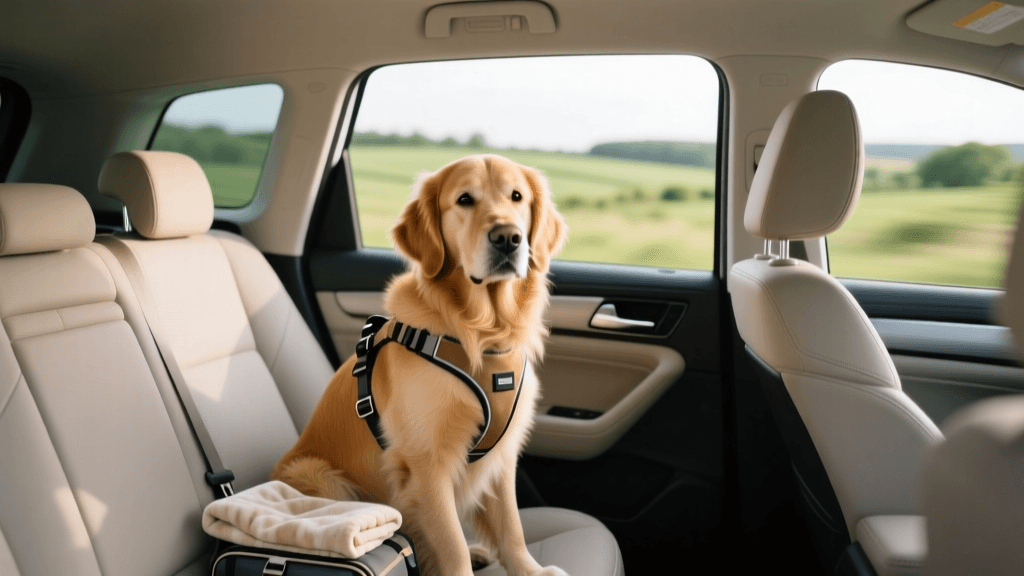
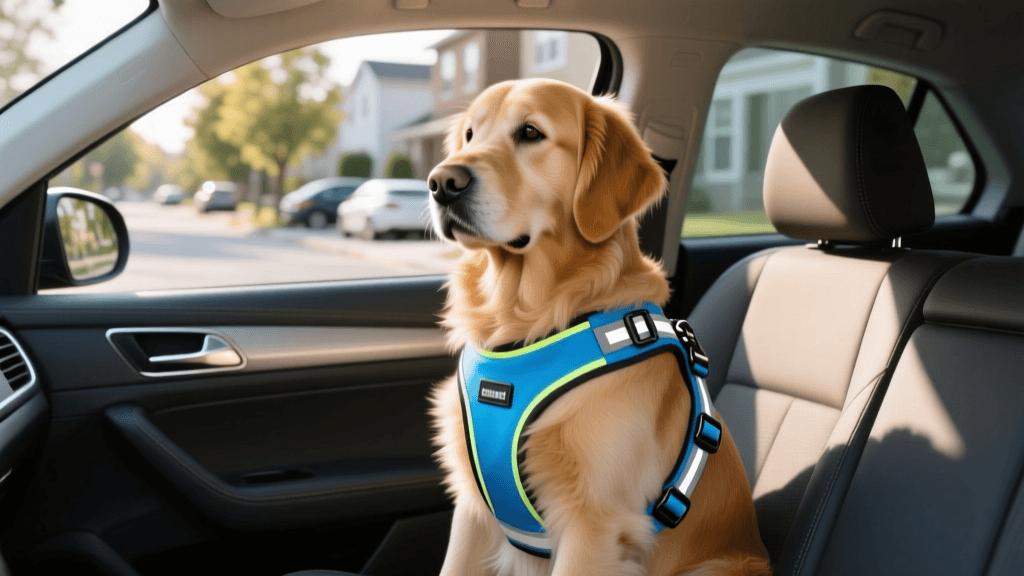
Before beginning your training protocol, you must establish a secure physical environment. An unrestrained dog is not only a distraction to the driver but also a severe safety hazard. The American Veterinary Medical Association (AVMA) strongly recommends restraining pets during travel to prevent injury during sudden stops or collisions.
Below is a comparison chart to help you select the right restraint system based on your dog's size, anxiety level, and your vehicle type.
| Restraint Type | Average Cost | Safety & Comfort Profile | Best Suited For |
|---|---|---|---|
| Crash-Tested Harness (e.g., Kurgo Tru-Fit, Sleepypod Clickit) | $40 - $90 | High safety when tethered to seatbelt latch. Limits movement, which can reduce visual overstimulation. | Medium to large dogs; dogs that prefer to be near the owner. |
| Hard-Sided Travel Crate (e.g., Variocage, Ruff Land) | $250 - $800 | Maximum crash protection. Creates a dark, den-like environment that naturally reduces visual triggers. | Severely anxious dogs; multi-dog households; SUV owners. |
| Soft-Sided Carrier (e.g., Sherpa, Sleepypod) | $50 - $150 | Moderate safety. Cozy and enclosed, but less structural integrity in a high-speed collision. | Small dogs (under 20 lbs); dogs with mild anxiety. |
Pro Tip: The Center for Pet Safety conducts rigorous crash testing on pet travel gear. Always look for their certified safety badges when investing in a harness or crate.
Step 1: Desensitization to the Stationary Car
Timeline: 1 to 3 weeks
Goal: Eliminate the fear response triggered by the sight and smell of the vehicle.
Do not start by forcing your dog into the car. Begin your training in the driveway with the engine completely off. Keep a treat pouch filled with high-value, low-calorie rewards, such as Zuke's Mini Naturals (approx. $6 per bag) or small pieces of boiled chicken breast.
- Day 1-3 (Distance Work): Stand 15 feet away from the car. Every time your dog looks at the car and remains calm, click your marker (or say 'Yes!') and toss a treat. Gradually decrease the distance to 10 feet, then 5 feet over several sessions.
- Day 4-7 (Tactile Interaction): Encourage your dog to sniff the tires, the bumper, and the door handles. Reward all calm investigative behavior. If your dog shows signs of stress (lip licking, yawning, tucked tail), increase your distance immediately.
- Day 8-10 (The Open Door): Open the car doors. Toss high-value treats onto the floorboards and the seats. Allow the dog to enter and exit freely without closing the door. Do not issue any commands to 'get in'; let the dog make the choice to explore.
Step 2: Building Positive Associations Inside the Car
Timeline: 1 to 2 weeks
Goal: Create a 'safe zone' within the vehicle.
Now that your dog is comfortable entering the stationary car, it is time to build duration and positive associations. Introduce a specific car-only mat, such as a textured silicone LickiMat (approx. $10) or a familiar fleece blanket that smells like home.
'Dogs process the world heavily through scent and taste. By providing a long-lasting, soothing chewing or licking activity exclusively inside the car, you rewire the brain to associate the vehicle with dopamine release rather than cortisol spikes,' notes canine behaviorists.
Spread a thin layer of dog-safe peanut butter or plain Greek yogurt onto the LickiMat and freeze it for two hours. Place it in the car's designated restraint area. Let your dog settle in and work on the mat for 10 to 15 minutes while you sit in the driver's seat reading a book. Keep the doors open and the engine off. Repeat this daily until your dog eagerly jumps into the car anticipating the frozen treat.
Step 3: Introducing Engine Noise and Vibrations
Timeline: 1 to 2 weeks
Goal: Decouple the engine's sound and vibration from the act of leaving home.
The sound of the engine starting is often the primary trigger for car anxiety, as it predicts the stressful event of travel. We must break this predictive chain.
- Get in the car with your dog, provide the frozen LickiMat or a stuffed Kong toy ($15).
- Start the engine. Let it idle for exactly 30 seconds, then turn it off. Give a jackpot reward (3-4 pieces of chicken) and exit the vehicle.
- Over the next week, gradually increase the idling time to 1 minute, 3 minutes, and eventually 10 minutes. During this time, remain calm, avoid making prolonged eye contact, and let the dog focus on their enrichment toy.
- Once your dog can relax for 10 minutes with the engine idling, begin turning on the air conditioning or heater to introduce new auditory and tactile stimuli.
Step 4: Gradual Exposure to Real Driving
Timeline: 2 to 4 weeks
Goal: Build tolerance to movement, turns, and braking.
Only proceed to this step when your dog is visibly relaxed (soft eyes, loose body posture, normal breathing) during a 10-minute idling session.
- Drive 1: Back out of the driveway, drive to the end of the street, and return home. Total driving time: 1 to 2 minutes. Reward heavily upon returning.
- Drive 2: Drive around the block (approx. 5 minutes). Return home and engage in a fun activity, like a quick game of tug or a short walk.
- Drive 3: Drive to a highly rewarding destination, such as a local park or a pet-friendly store that sells dog treats (e.g., a local boutique or Tractor Supply). Keep the trip under 10 minutes.
Crucial Rule: Never use the car solely for trips to the veterinarian during the training phase. If your dog only rides in the car to get a thermometer or a vaccination, their anxiety will never extinguish. Aim for a ratio of 10 positive car trips for every 1 stressful trip.
Managing Motion Sickness and Severe Anxiety
Sometimes, behavioral training must be supported by veterinary intervention. Puppies and adult dogs with underdeveloped or highly sensitive vestibular systems may experience genuine motion sickness, characterized by excessive drooling, smacking lips, and vomiting.
If your dog exhibits these physical symptoms, consult your veterinarian. They may prescribe anti-nausea medications such as Cerenia (maropitant citrate), which blocks the vomiting center in the brain without causing severe drowsiness. For generalized anxiety, veterinarians might recommend situational anti-anxiety medications like Trazodone or Gabapentin, administered 90 minutes prior to travel.
For mild cases, over-the-counter calming aids can provide supplementary support:
- Adaptil Transport Spray ($20 - $25): A synthetic pheromone that mimics the comforting scent of a nursing mother dog. Spray it on the car mat or crate bedding 15 minutes before loading the dog.
- L-Theanine Supplements (e.g., Solliquin or Anxitane): An amino acid that promotes relaxation without sedation. Best given daily or 2 hours before a trip.
- Thundershirt ($40 - $50): Provides gentle, constant pressure that can soothe the nervous system of some dogs, though it may cause overheating in warm vehicles.
Summary Checklist for Success
Patience is the cornerstone of modifying car anxiety. Keep this checklist handy to ensure you are setting your dog up for success:
- [ ] Invest in a crash-tested restraint system appropriate for your dog's size.
- [ ] Stock up on high-value treats and car-exclusive enrichment toys (LickiMats, Kongs).
- [ ] Start with stationary desensitization before ever turning the key.
- [ ] Break the predictive chain of the engine starting by idling without driving.
- [ ] Take frequent, short trips to highly rewarding destinations.
- [ ] Consult your vet regarding anti-nausea or anti-anxiety medications if physical symptoms persist.
By following this structured, empathetic approach, you can help your dog rewrite their emotional response to car travel. What was once a source of panic can become a comfortable, secure space, opening up a world of travel and shared adventures for you and your canine companion.
beth-carrasco
All our authors care for dogs every day — read more of their work on the authors page.