2026 Guide: Low-Impact Training For Osteoarthritis Dogs
Discover 2026 low-impact training routines for dogs with osteoarthritis. Learn modified obedience commands and mental stimulation tricks to keep them happy.
The Intersection of Osteoarthritis Treatment and Dog Training
Canine osteoarthritis (OA) is a progressive, degenerative joint disease that affects a significant portion of the aging dog population, as well as younger dogs with genetic predispositions or previous orthopedic injuries. As we navigate through 2026, veterinary medicine has made incredible strides in OA treatment. Monoclonal antibodies targeting nerve growth factor (NGF), such as bedinvetmab (Librela) and frunevetmab (Solensia), have largely become the gold standard for managing chronic joint pain. Additionally, advanced regenerative therapies and specialized NSAIDs offer unprecedented comfort for our senior companions.
However, a critical paradox emerges for dog owners and professional trainers: while these modern 2026 treatments successfully mask pain and dramatically improve a dog's willingness to move, they do not reverse the mechanical degradation of cartilage or bone. This creates a unique training challenge. A dog may feel eager to train, jump, and play, but their joints still require strict physical protection. Training a dog with osteoarthritis requires a fundamental shift from physical repetition to mental stimulation, environmental modification, and low-impact obedience.
The Hidden Dangers of Traditional Obedience
Traditional dog training relies heavily on repetitive physical movements. Core commands like "sit," "down," "roll over," and tight "heel" work require continuous joint flexion, extension, and weight-bearing. For a dog with hip dysplasia, elbow osteoarthritis, or spinal spondylosis, repetitive sitting places immense torque on the coxofemoral joints and stifles. According to the American College of Veterinary Surgeons, managing the mechanical wear and tear on arthritic joints is just as critical as pharmacological pain management. If we rely solely on advanced pain medications without modifying our training routines, we risk accelerating joint deterioration and causing long-term structural harm.
Modifying Core Commands for Joint Preservation
To protect your dog's joints while maintaining a high level of obedience and engagement, you must adapt standard commands to accommodate their physical limitations.
Replacing the "Sit" with the "Sphinx Down"
Sitting requires a dog to fold their hindquarters, which can pinch inflamed joint capsules and place undue stress on the lower back and knees. Instead of demanding a sit, train a "Sphinx Down" or "Settle." This involves the dog lying on their stomach with their front paws extended forward and hind legs tucked comfortably beneath them, rather than splayed out to the sides (a posture often called "frog dog," which is highly detrimental to dysplastic hips). Use a high-value treat to lure the dog's nose to the floor, rewarding them for resting their chest on an orthopedic memory foam mat. This keeps the spine neutral and the joints relaxed while still providing a stationary obedience position.
Hand Targeting Over Tight Heeling
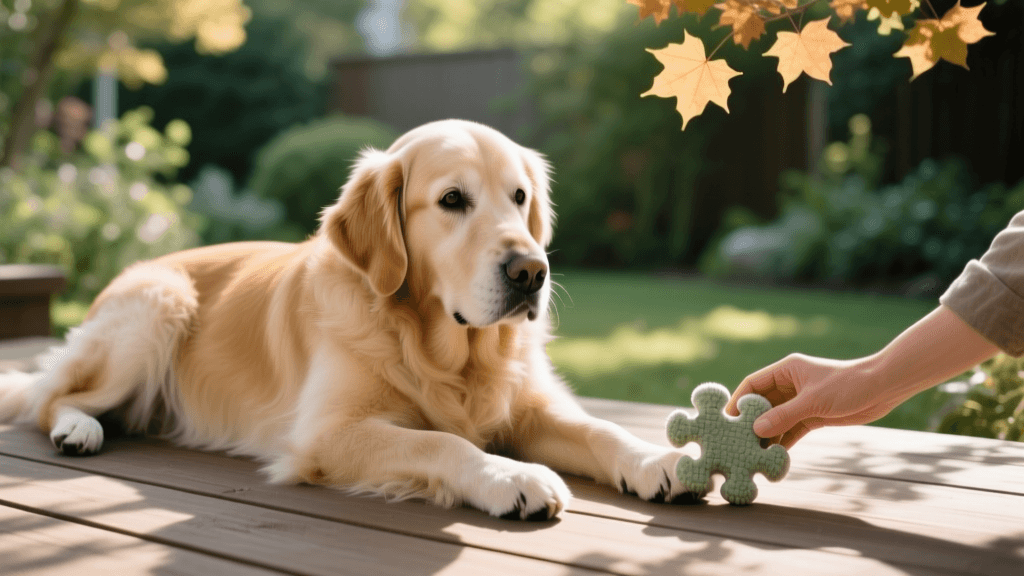
Traditional tight heel work requires a dog to constantly adjust their stride, pivot on their hindquarters, and look up at the handler, which can aggravate cervical (neck) osteoarthritis. Replace this with hand targeting (teaching the dog to touch their nose to your palm). This allows the dog to move at their own natural, comfortable pace while still engaging their brain, maintaining focus on the handler, and navigating public spaces safely without the physical strain of competitive heeling.
Mental Stimulation: The 2026 Approach to Canine Enrichment
When physical exercise is restricted, mental fatigue becomes your best tool for a happy, well-behaved dog. The American Kennel Club emphasizes that mental enrichment is vital for senior or mobility-impaired dogs who can no longer engage in vigorous physical exercise.
Indoor Scent Work and Nosework
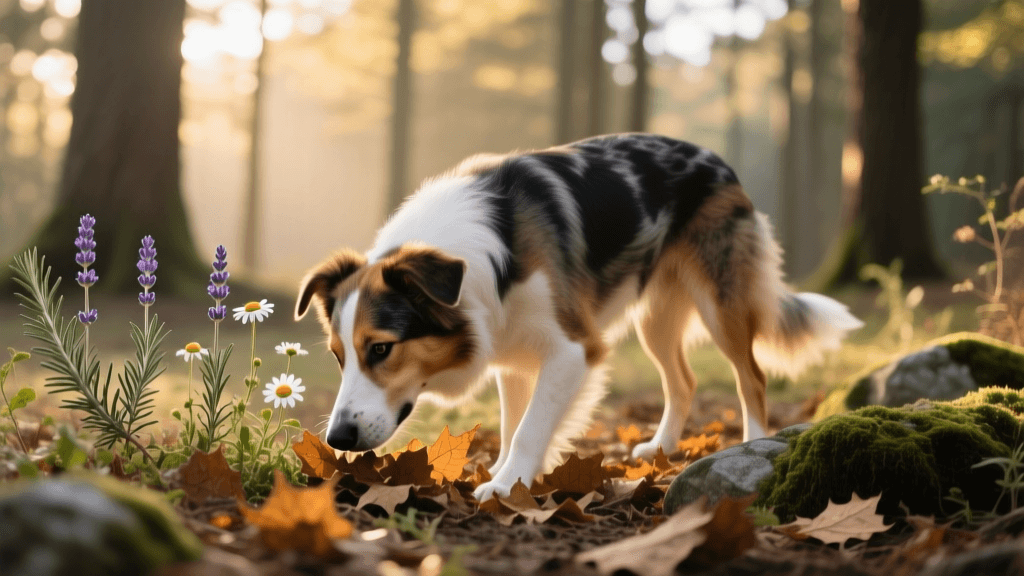
Nosework is the ultimate low-impact canine sport. It engages the olfactory system, which burns as much mental energy as a long physical run, without requiring the dog to jump or run. Start by hiding strong-smelling treats in a snuffle mat or inside a grid of cardboard boxes in your living room. As your dog progresses, introduce specific target odors like birch or anise essential oils on cotton swabs, hiding them at floor level so the dog does not need to rear up or stretch their spine to find the source.
Shaping "Zero-Movement" Tricks
You can continue to teach impressive tricks that require absolutely zero joint articulation. Using a clicker or a verbal marker, capture and shape behaviors such as:
- Speak/Quiet: Barking and stopping on cue.
- Blink: Capturing the natural blink reflex and putting it on a verbal cue.
- Ear Twitch: Rewarding the dog for moving their ears toward a sound.
- Chin Rest: Teaching the dog to rest their chin heavily on a target, a stool, or your knee. This is not only a great trick but also a calming behavior that aids in cooperative veterinary care.
Environmental Setup for Safe Training Sessions
Your training environment must be optimized to prevent slips and falls, which can cause acute flare-ups of chronic OA pain. Hardwood, tile, and laminate floors are incredibly dangerous for arthritic dogs. Always conduct training sessions on interlocking foam mats, thick yoga mats, or specialized canine traction rugs. Additionally, consider using elevated training stations or raised treat bowls so the dog does not have to crane their neck downward, which can aggravate spinal or neck arthritis. For dogs with severe mobility issues, non-slip toe grips or specialized canine traction boots can provide the confidence they need to stand comfortably during a training session.
Traditional vs. Modified Training Comparison Chart
The following table outlines how to transition from standard training methods to joint-friendly alternatives for dogs managing osteoarthritis in 2026.
| Traditional Command | Joint Stress Risk | Modified OA Alternative | Primary Benefit |
|---|---|---|---|
| Sit | High torque on stifles and hips | Sphinx Down / Settle | Neutral spine, relaxed joint capsules |
| Roll Over | Extreme spinal torsion and hip splay | Side Lie / Target Mat | Eliminates spinal twisting entirely |
| Jump / Up | High impact on carpal and shoulder joints | Hand Target / Touch | Engages brain without vertical impact |
| Tight Heel | Neck strain and unnatural gait pacing | Loose Leash Target Walking | Allows natural, comfortable stride |
| Weave Poles | Lateral spinal flexion and joint shearing | Scent Work / Box Search | Mental fatigue with zero spinal twisting |
Pacing and Reading Canine Pain Signals
Dogs are notoriously stoic, and the advanced pain relief available in 2026 can sometimes mask subtle signs of discomfort. As a trainer or owner, you must become an expert in reading canine micro-expressions. If your dog begins lip licking, yawning, showing "whale eye," or taking treats with a harder, more frantic bite than usual, these are early indicators of physical or mental fatigue. Keep training sessions exceptionally short—no more than 3 to 5 minutes at a time. It is far better to end a session while the dog is still eager and comfortable than to push them into a state of physical exhaustion that will result in stiffness the following day.
Timing Training Around Veterinary Pain Protocols
Coordinate your training schedule with your dog's veterinary pain management protocol. If your dog is on daily NSAIDs or receives monthly anti-NGF injections, schedule your most demanding mental training sessions when the medication's comfort level is at its peak. Always consult your veterinarian before starting any new training regimen. As noted by VCA Hospitals, a multimodal approach—combining medication, strict weight management, environmental modification, and adapted physical and mental therapy—yields the absolute best long-term outcomes for arthritic dogs. By adapting your training methods, you ensure that your dog's mind remains sharp and engaged, even as their body requires a gentler touch.
priya-sutaria
All our authors care for dogs every day — read more of their work on the authors page.