Holistic Scent Work Training for Canine Anxiety Relief 2026
Discover how holistic scent work and foraging games naturally reduce canine anxiety in 2026. Learn step-by-step nosework training and herbal tips.
The Evolution of Holistic Canine Training in 2026
As we move through 2026, the dog training community has experienced a profound paradigm shift. We are moving away from purely mechanical, compliance-based obedience models and embracing natural, holistic approaches that prioritize a dog's emotional regulation and neurological well-being. At the forefront of this movement is holistic scent work. Unlike traditional obedience, which often demands that a dog suppress its natural instincts to comply with human directives, scent work leverages the canine's most powerful sensory system to naturally lower cortisol levels, build confidence, and alleviate anxiety. For dog owners seeking a natural remedy for leash reactivity, separation anxiety, or general hyperarousal, integrating structured nosework into your daily routine is one of the most effective, science-backed strategies available today.
The Neurological Power of Olfactory Enrichment
To understand why scent work is so profoundly calming, we must look at canine neuroanatomy. A dog's olfactory bulb is proportionally 40 times larger than a human's, and the act of sniffing is directly linked to the limbic system, which governs emotion and memory. When a dog engages in deep, sustained sniffing, their heart rate actually decreases. This phenomenon, often referred to as the 'sniffing parasympathetic response,' acts as a natural sedative. According to the American Kennel Club's Scent Work program, structured nosework provides an intense cognitive workout that tires a dog out far more efficiently than a simple physical walk. In 2026, veterinary behaviorists widely recommend olfactory enrichment as a primary intervention for anxious dogs, noting that just 20 minutes of intense scent work can equate to an hour of vigorous physical exercise in terms of mental fatigue and subsequent calmness.
Setting Up Your Natural Scent Environment
Creating a holistic training environment means avoiding synthetic materials, harsh chemical cleaners, and high-stress settings. When preparing for scent work, start with natural, eco-friendly gear. The organic cotton snuffle mat has become a staple in 2026, with premium, hand-woven options from sustainable brands costing between $45 and $85. These mats mimic the natural foraging behavior of dogs searching for food in tall grass. Furthermore, ensure your training space is free from artificial air fresheners or aerosol sprays, which can overwhelm your dog's sensitive nasal passages and cause respiratory irritation. Instead, rely on natural ventilation and stick to the primary scent work odors: birch, anise, and clove essential oils, which are safe, distinct, and naturally derived.
Step-by-Step Holistic Scent Imprinting Guide
Teaching your dog to search for a specific natural scent requires patience, positive reinforcement, and high-value, single-ingredient rewards. Here is a comprehensive, step-by-step guide to imprinting a target scent using holistic methods.
Step 1: Scent Preparation and Pairing
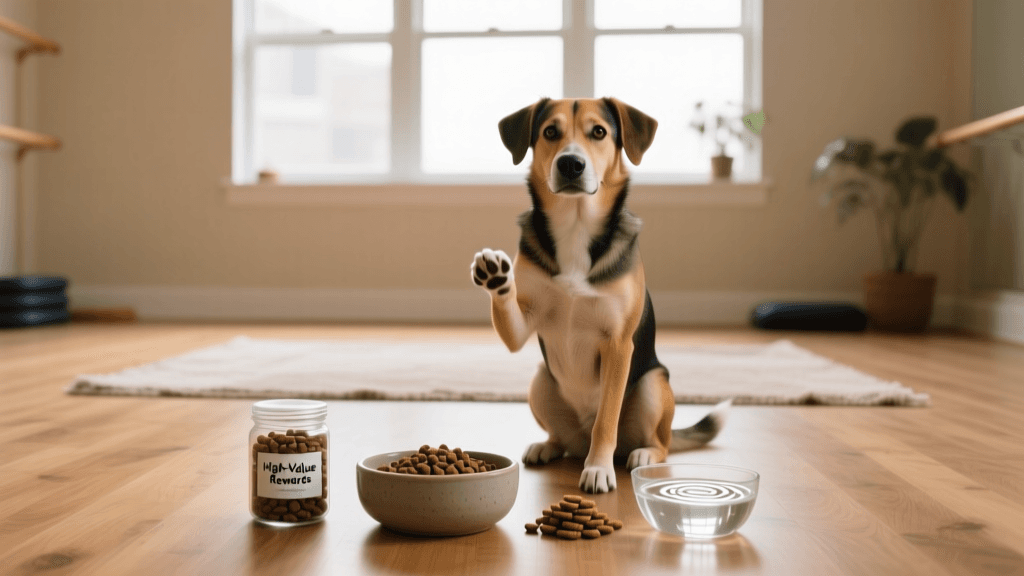
Begin by acquiring a pure birch essential oil. Place two drops of the oil on a cotton swab and seal it inside a small, ventilated metal tin. Never apply the oil directly to your dog's nose or skin. Pair this scent tin with a natural, high-value reward such as freeze-dried beef liver or organic sardines. The goal is to create a classical conditioning loop: the smell of birch predicts the arrival of a premium, species-appropriate treat.
Step 2: The 'Find It' Box Game
Set up three identical cardboard boxes in a quiet, low-distraction room. Place the scent tin and a treat inside one box, and leave the others empty. Encourage your dog to investigate the boxes using a calm, encouraging voice. When your dog's nose hits the correct box and they detect the birch, immediately mark the behavior with a gentle 'yes' or a soft clicker, and reward them directly at the source of the scent. This teaches the dog that the odor itself is the target, not the box.
Step 3: Increasing Complexity and Duration
Once your dog is reliably indicating the birch tin in a simple box setup, begin hiding the tin at varying heights and in different rooms. Incorporate natural obstacles like wooden logs, cotton rugs, and potted indoor plants. Allow your dog to work at their own pace. In holistic training, we do not rush the dog or use corrective leash pops if they make a mistake. If they struggle, simply make the hide easier to rebuild their confidence and maintain a positive emotional state.
Step 4: Transitioning to Outdoor Foraging
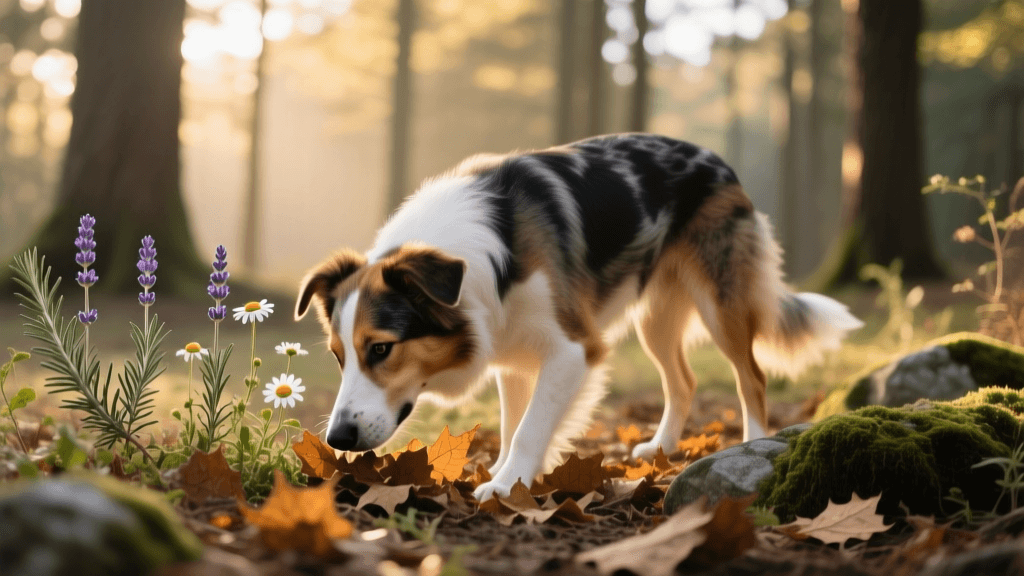
Take the scent work outside to your backyard or a quiet, enclosed natural area. The outdoor environment introduces wind, temperature changes, and competing natural odors. This is where the true anxiety-relief benefits shine. As your dog navigates the complex olfactory landscape of the outdoors, they enter a state of 'flow,' completely absorbed in the task and disconnected from environmental triggers that might normally cause barking or lunging.
Synergizing Training with Adaptogenic Herbs
To maximize the calming effects of scent work, many holistic practitioners in 2026 recommend pairing training sessions with natural adaptogens and calming supplements. Adaptogens help the canine body resist stressors and maintain homeostasis. Incorporating a daily supplement containing L-theanine, Ashwagandha root extract, and organic chamomile can significantly lower baseline anxiety levels, making your dog more receptive to learning. L-theanine, an amino acid naturally found in green tea, promotes alpha-brain waves associated with relaxed alertness. When given 45 minutes before a scent work session, these natural compounds help an anxious dog transition into a focused, calm learning state without the lethargy associated with pharmaceutical sedatives.
Comparison Chart: Holistic Enrichment vs. Traditional Obedience
Understanding the differences between traditional training and holistic enrichment can help you tailor your approach to your dog's specific emotional needs. The following table outlines the core differences based on current 2026 behavioral consensus.
| Training Modality | Primary Focus | Canine Emotional State | Cortisol Impact | Ideal For |
|---|---|---|---|---|
| Traditional Obedience | Compliance, impulse control, physical positioning (sit, stay, heel) | Alert, focused, sometimes suppressed or stressed | Neutral to Elevated (depending on methods) | Dogs needing boundary setting, service dog prep |
| Holistic Scent Work | Natural instinct fulfillment, cognitive fatigue, confidence building | Relaxed, engaged, autonomous, parasympathetic | Significantly Reduced | Reactive dogs, anxious dogs, senior dogs |
| Foraging / Snuffle Mats | Slow feeding, tactile stimulation, independent problem solving | Calm, occupied, self-soothing | Reduced | Separation anxiety, hyperactive puppies |
Real-World Application: Decompression Walks
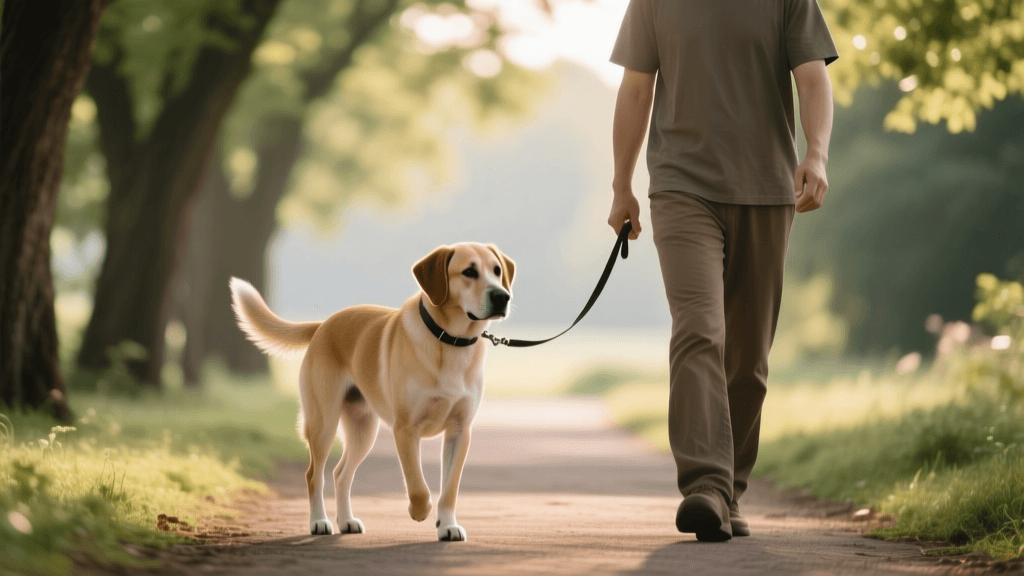
One of the most powerful ways to utilize holistic scent work is through the 'decompression walk.' For dogs suffering from leash reactivity, the traditional advice of forcing a 'heel' past a trigger often leads to an explosive reaction due to barrier frustration. In 2026, the American Veterinary Society of Animal Behavior (AVSAB) and leading force-free trainers advocate for allowing the dog to lead the walk and sniff extensively. By bringing a portable scent tin or a small pouch of dried, dog-safe herbs (like lavender or valerian root) on your walk, you can scatter these natural scents in the grass when you spot a trigger in the distance. This immediately redirects your dog's brain from the amygdala (fight or flight) back to the olfactory cortex (processing and foraging), effectively diffusing the anxiety spiral before it begins.
Dietary Considerations for Cognitive Function
A holistic approach to training recognizes that the brain requires premium fuel to process complex scent information. In 2026, canine nutritionists emphasize the importance of Omega-3 fatty acids (specifically EPA and DHA from wild-caught fish oil) and Medium-Chain Triglycerides (MCT oil) for cognitive support. MCT oil provides an immediate, alternative energy source for the brain, which is particularly beneficial for senior dogs experiencing cognitive decline or younger dogs struggling with focus during training. Adding a half-teaspoon of organic, unrefined coconut oil or a high-quality MCT supplement to your dog's meal prior to a heavy scent work day can enhance mental stamina and memory retention.
Conclusion: Embracing the Natural Canine Mind
Holistic scent work is far more than a fun party trick; it is a profound behavioral therapy that honors the dog's natural biology. By replacing mechanical corrections with olfactory enrichment, and supporting your dog's nervous system with natural adaptogens and species-appropriate nutrition, you create a foundation of deep trust and emotional resilience. As we continue to advance our understanding of canine cognition in 2026, it is clear that the most effective way to train a dog is not to force them into a human mold, but to provide them with the natural outlets they need to thrive. Grab a snuffle mat, uncork the birch oil, and watch your anxious dog blossom into a confident, calm, and joyful companion.
priya-sutaria
All our authors care for dogs every day — read more of their work on the authors page.