Canine Osteoarthritis: Diagnosing Joint Pain and Treatment Options
Learn how to diagnose canine osteoarthritis and explore effective treatment solutions, from NSAIDs and joint supplements to physical therapy and home mods.
Understanding Canine Osteoarthritis
Osteoarthritis (OA), also known as degenerative joint disease (DJD), is a progressive, chronic condition that causes the deterioration of joint cartilage and the underlying bone. It is one of the most common chronic diseases in dogs, affecting an estimated 20% of adult dogs and up to 80% of senior canines. Unlike humans who often develop OA primarily from age-related wear and tear, canine osteoarthritis is frequently secondary to developmental orthopedic diseases such as hip dysplasia, elbow dysplasia, or cranial cruciate ligament (CCL) tears. Because dogs are masters at masking pain, early problem diagnosis and proactive solutions are critical to maintaining your dog's quality of life.
Problem Diagnosis: Spotting the Subtle Signs of Joint Pain
Dogs rarely vocalize chronic joint pain. Instead of whimpering or crying, they exhibit subtle behavioral and physical changes. As a pet owner, recognizing these early indicators is the first step in problem diagnosis. Common signs of canine osteoarthritis include:
- Stiffness after rest: Difficulty rising from a lying position, especially in the morning or after a long nap, which may improve slightly after they "warm up" with mild movement.
- Reluctance to perform previously enjoyed activities: Hesitation to jump into the car, climb stairs, or leap onto the couch or bed.
- Altered gait: Limping, a "bunny-hopping" gait in the hind legs, or a noticeable shift in weight away from the affected limb.
- Behavioral changes: Increased irritability, especially when touched around the hips, spine, or legs; excessive licking or chewing at specific joints; and a general decrease in playfulness.
- Muscle atrophy: Thinning of the muscle mass in the affected limb due to decreased use, often making the joint itself appear more prominent or swollen.
The Veterinary Diagnostic Process
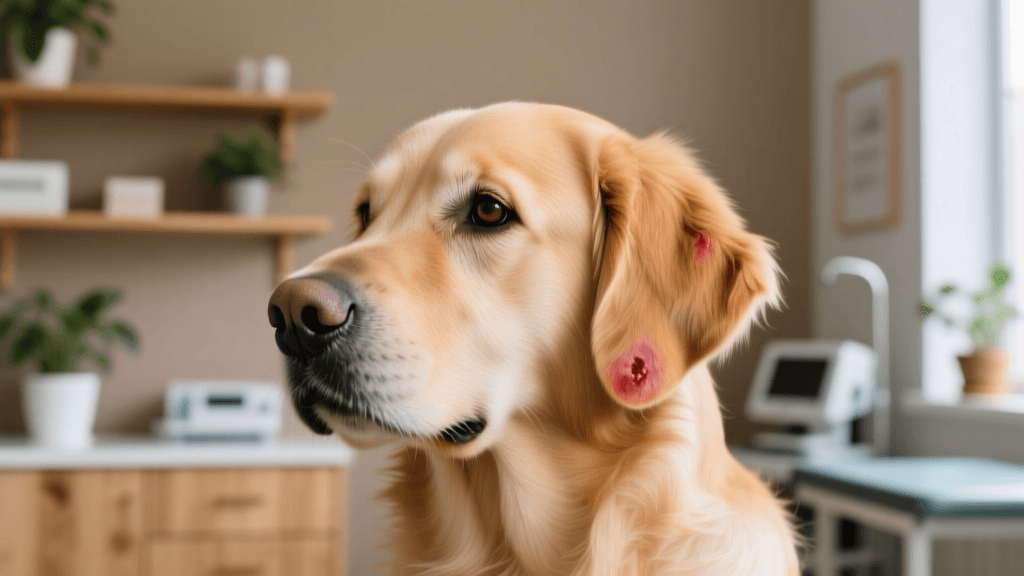
If you observe any of the symptoms above, a comprehensive veterinary examination is required. According to the American Veterinary Medical Association (AVMA), a definitive diagnosis of osteoarthritis involves a combination of physical manipulation and diagnostic imaging. Your veterinarian will perform an orthopedic exam to check for joint effusion (swelling), decreased range of motion, and crepitus (a crunching or grating sensation within the joint).
Radiographs (X-rays) are the gold standard for confirming OA. They allow the vet to identify osteophytes (bone spurs), subchondral sclerosis (thickening of the bone beneath the cartilage), and narrowing of the joint space. The cost for diagnostic orthopedic X-rays typically ranges from $200 to $450, depending on whether sedation is required to achieve proper positioning.
Comprehensive Solutions: A Multimodal Approach to Joint Health
There is no cure for canine osteoarthritis, but the condition can be highly managed. The most effective solutions utilize a "multimodal" approach, combining weight management, pharmaceuticals, nutraceuticals, and environmental modifications to target pain from multiple angles.
1. Weight Management and Targeted Nutrition
Weight management is the single most effective, non-pharmaceutical solution for canine OA. Every extra pound of body weight places roughly four pounds of additional pressure on a dog's joints. Your dog should be maintained at a lean Body Condition Score (BCS) of 4 or 5 on a 9-point scale.
In addition to calorie restriction, therapeutic joint diets can provide significant relief. Prescription foods like Hill's Prescription Diet j/d or Royal Canin Mobility Support are clinically proven to improve mobility. These diets are fortified with high levels of EPA (eicosapentaenoic acid), an Omega-3 fatty acid that interrupts the enzymatic degradation of joint cartilage. For dogs on standard diets, adding a high-quality fish oil supplement like Welactin Canine or Nordic Naturals Omega-3 Pet is recommended. The therapeutic dose of combined EPA/DHA for osteoarthritis is generally around 300mg per 10 pounds of body weight daily.
2. Pharmaceutical Interventions and Pain Management
When weight management and supplements are not enough, veterinary-prescribed medications are essential. Non-Steroidal Anti-Inflammatory Drugs (NSAIDs) such as Carprofen (Rimadyl), Meloxicam (Metacam), or Deracoxib (Deramaxx) are the first line of defense. They work by blocking COX enzymes to reduce inflammation and pain. NSAIDs typically cost between $30 and $80 per month and must be administered with food to prevent gastrointestinal upset.
For dogs that cannot tolerate traditional NSAIDs, or for targeted pain relief, newer medications are available. Galliprant (grapiprant) is an NSAID that specifically targets the EP4 prostaglandin receptor, offering pain relief with a potentially lower risk of liver and kidney side effects. Furthermore, Librela (bedinvetmab) is a revolutionary monoclonal antibody injection administered by your vet once a month. It targets Nerve Growth Factor (NGF) directly at the site of joint pain. Librela costs approximately $50 to $120 per monthly injection, depending on the dog's weight, and has shown profound efficacy in senior dogs with advanced OA.
3. Joint Supplements and Nutraceuticals
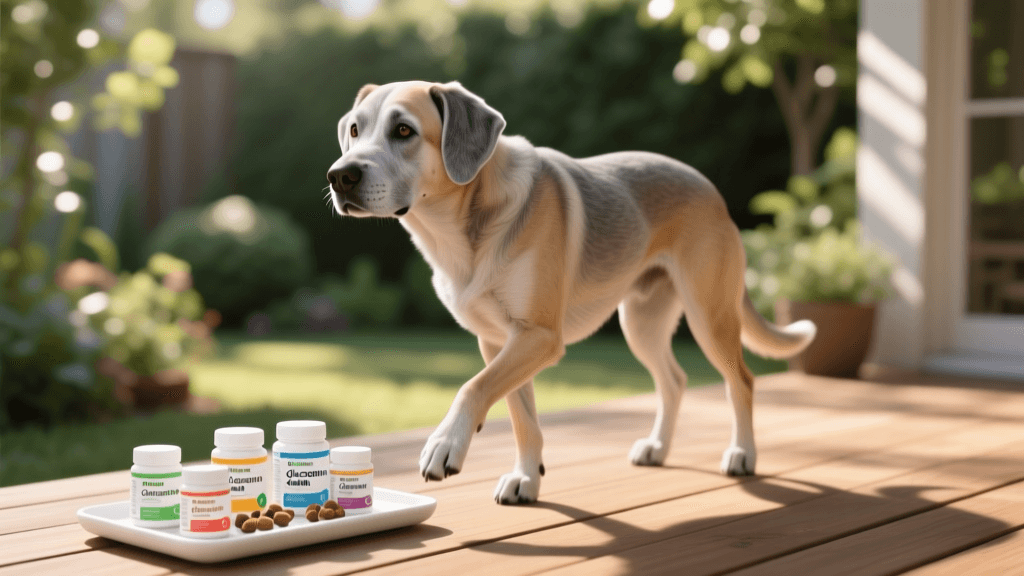
While not a replacement for pain medication in moderate to severe cases, joint supplements help support cartilage health and synovial fluid viscosity. Look for products containing Glucosamine Hydrochloride, Chondroitin Sulfate, and MSM. Dasuquin Advanced and Cosequin DS Plus MSM are industry-leading, veterinary-recommended brands that include ASU (Avocado/Soybean Unsaponifiables) to further prevent cartilage breakdown. A standard 84-count bottle of Dasuquin Advanced for medium-to-large dogs costs around $70 to $85, providing a 2 to 3-month supply after the initial loading dose.
4. Environmental and Home Modifications
Modifying your home environment reduces the daily mechanical stress on your dog's joints. Research highlighted by the Texas A&M College of Veterinary Medicine emphasizes the importance of providing orthopedic support and traction.
- Orthopedic Beds: Invest in a high-quality, human-grade foam bed like the Big Barker Orthopedic Dog Bed ($200–$300). These beds prevent the dog's joints from pressing against the hard floor while sleeping.
- Ramps and Steps: Use a ramp like the PetSafe Happy Ride Folding Pet Ramp ($40–$60) to help your dog enter and exit vehicles or access high furniture without jumping.
- Floor Traction: Slippery hardwood or tile floors force dogs to splay their legs, putting immense strain on the hips and spine. Lay down interlocking foam mats or non-slip yoga rugs in your dog's primary walking paths and sleeping areas.
Osteoarthritis Treatment Comparison Chart
To help you budget and plan your dog's multimodal care routine, refer to the comparison table below outlining common osteoarthritis solutions.
| Treatment Category | Specific Examples | Estimated Monthly Cost | Primary Action / Benefit |
|---|---|---|---|
| NSAIDs | Carprofen, Meloxicam | $30 - $80 | Reduces acute inflammation and blocks pain signals. |
| Targeted Injections | Librela (bedinvetmab) | $50 - $120 | Neutralizes Nerve Growth Factor (NGF) to stop pain transmission. |
| Omega-3 Fatty Acids | Welactin, Nordic Naturals | $20 - $40 | Decreases enzymatic cartilage degradation; supports joint lubrication. |
| Nutraceuticals | Dasuquin Advanced | $25 - $45 | Provides building blocks for cartilage repair and synovial fluid. |
| Home Modifications | Big Barker Bed, Ramps | $150 - $300 (One-time) | Eliminates impact trauma and provides orthopedic resting support. |
Long-Term Monitoring and Prognosis
Managing canine osteoarthritis is a lifelong commitment. The American Kennel Club (AKC) advises that regular veterinary check-ups every six months are vital for dogs on long-term NSAIDs to monitor liver and kidney function via blood panels. As your dog ages, their pain management protocol will likely need adjustments. What works for a 7-year-old Labrador may not be sufficient when they reach 11. By staying vigilant with problem diagnosis, maintaining a lean body weight, and utilizing a combination of modern veterinary medicine and home care solutions, you can ensure your arthritic dog remains comfortable, mobile, and happy well into their golden years.
hannah-wickes
All our authors care for dogs every day — read more of their work on the authors page.