Senior Dog Health: Managing Arthritis and Cognitive Decline
Discover actionable life stage care tips for senior dogs. Learn to manage canine arthritis and cognitive decline with diet, supplements, and vet care.
Understanding the Senior Life Stage
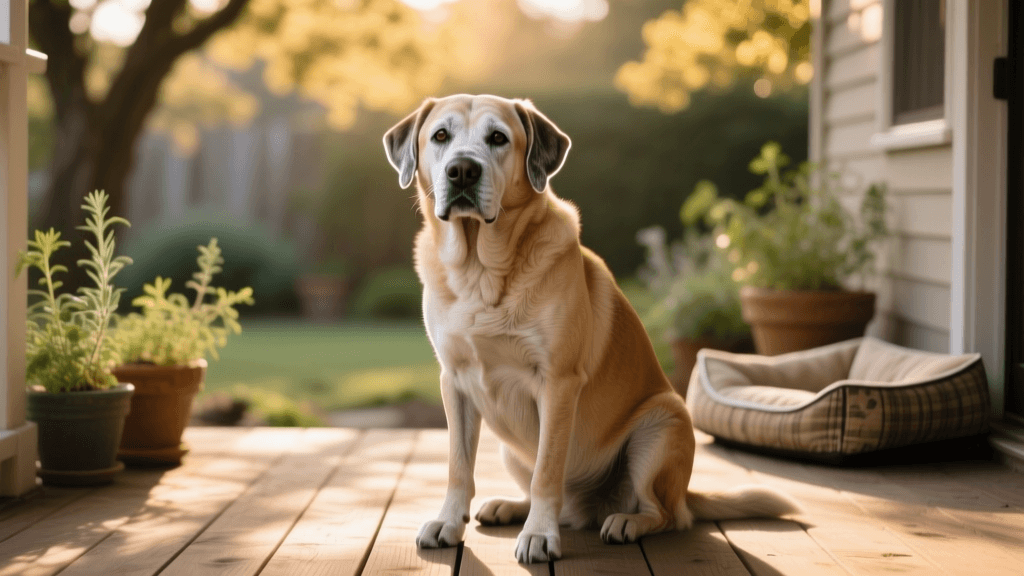
As your dog transitions into their golden years, their health and wellness needs shift dramatically. The American Veterinary Medical Association (AVMA) notes that dogs are generally considered senior when they reach the last twenty-five percent of their expected lifespan. For giant breeds like Great Danes, this can be as early as six years old, while Chihuahuas may not show senior signs until ten or twelve. This life stage requires a proactive approach to veterinary care, nutrition, and environmental management to ensure a high quality of life.
Aging in dogs is not a disease, but it does bring a natural decline in cellular regeneration, metabolic slowdown, and increased susceptibility to chronic conditions. Recognizing these changes early allows pet parents to implement interventions that slow disease progression and maintain comfort. In this comprehensive life stage care guide, we will explore the two most common and impactful conditions affecting senior dogs: osteoarthritis and cognitive decline.
Managing Canine Osteoarthritis (OA)
Osteoarthritis is a degenerative joint disease that affects an estimated eighty percent of senior dogs. According to the American Kennel Club (AKC), OA occurs when the cartilage that cushions the joints breaks down, leading to inflammation, pain, and reduced mobility. Early signs include reluctance to jump, stiffness after resting, and a noticeable decrease in play drive.
Environmental Modifications
Adapting your home environment is one of the most cost-effective and immediate ways to improve your senior dog's mobility and comfort. Reducing the physical strain on their joints can significantly delay the progression of OA.
- Orthopedic Beds: Invest in a high-quality memory foam bed that is at least four inches thick to prevent joint pressure against the floor. Brands like Big Barker or K9 Ballistics offer therapeutic support, typically costing between $200 and $300.
- Pet Ramps and Stairs: Prevent your dog from jumping on and off furniture or into vehicles. The PetSafe Happy Ride Folding Pet Ramp (approximately $40 to $60) provides a sturdy, non-slip incline for car travel.
- Non-Slip Flooring: Hardwood and tile floors can be treacherous for aging paws. Lay down interlocking PVC foam mats or low-pile non-slip runners in high-traffic areas and near their bed to provide secure traction.
Supplements and Medications
Medical management should always be guided by your veterinarian, but understanding your options helps you advocate for your pet's pain management protocol.
- NSAIDs and Pain Modifiers: Prescription non-steroidal anti-inflammatory drugs (NSAIDs) like Carprofen or Meloxicam are the frontline defense against joint inflammation. Expect to spend $30 to $80 per month depending on your dog's weight. For nerve-related pain, veterinarians may prescribe Gabapentin.
- Omega-3 Fatty Acids: High doses of EPA and DHA (found in fish oil) act as natural anti-inflammatories. The therapeutic dosage for joint care is generally 300mg of combined EPA/DHA per 10 pounds of body weight daily.
- Joint Protectants: Supplements containing Glucosamine, Chondroitin, and ASU (Avocado/Soybean Unsaponifiables), such as Dasuquin Advanced, help protect existing cartilage and support synovial fluid health. Budget around $40 to $60 per month for premium formulations.
Navigating Canine Cognitive Dysfunction (CCD)
Canine Cognitive Dysfunction is the dog equivalent of Alzheimer's disease in humans. The American Kennel Club reports that nearly thirty percent of dogs aged eleven to twelve, and over sixty percent of dogs aged fifteen to sixteen, show at least one sign of CCD. It is caused by the accumulation of amyloid-beta plaques in the brain, leading to neuronal damage and decreased brain function.
Recognizing the DISHA Acronym
Veterinary behaviorists use the acronym DISHA to help owners identify the subtle, progressive signs of cognitive decline:
- Disorientation: Wandering aimlessly, getting stuck behind furniture, or staring blankly at walls.
- Interactions: Changes in how they interact with family members, including increased clinginess, irritability, or withdrawal.
- Sleep-Wake Cycle Changes: Pacing or panting late at night and sleeping heavily during the day.
- House Soiling: Forgetting house-training rules or losing the signal to ask to go outside.
- Activity Level Changes: A marked decrease in purposeful activity or an increase in repetitive, obsessive behaviors like licking.
Mental Stimulation and Routine
Just like physical therapy for the body, mental stimulation is physical therapy for the aging brain. Maintaining a strict daily routine reduces anxiety and confusion. Incorporate fifteen minutes of daily cognitive exercises:
- Scent Work: Hide low-calorie treats in a snuffle mat or around the living room to engage their olfactory senses, which are deeply tied to brain stimulation.
- Interactive Puzzle Toys: Use soft rubber puzzle toys designed for seniors, such as the Kong Senior, filled with easily digestible wet food or plain pumpkin puree.
- Short, Frequent Walks: Replace long, exhausting hikes with three ten-minute leash walks daily to provide consistent, low-impact environmental enrichment.
Nutritional Support for the Aging Brain
Diet plays a pivotal role in slowing cognitive decline. Medium-chain triglycerides (MCTs) provide an alternative energy source for aging brain cells that struggle to metabolize glucose. Adding a half-teaspoon of unrefined coconut oil to their meals can provide a mild MCT boost. Alternatively, transition your dog to a clinically proven senior brain-health diet, such as Purina Pro Plan Bright Mind, which utilizes MCTs and antioxidants to support cognitive function. Prescription medications like Selegiline (Anipryl) are also available through your veterinarian to increase dopamine levels in the brain.
Senior Dog Care Comparison Chart
Transitioning from adult care to senior care requires adjusting both your schedule and your budget. The table below outlines the key differences in managing an adult dog versus a senior dog.
| Care Aspect | Adult Dog (1-6 Years) | Senior Dog (7+ Years) | Estimated Annual Cost |
|---|---|---|---|
| Veterinary Exams | 1x per year | 2x per year | $150 - $300 |
| Bloodwork (CBC, Chem, Thyroid) | Every 2-3 years | Every 6-12 months | $150 - $250 |
| Joint Supplements | As needed | Daily preventative | $120 - $300 |
| Dental Cleanings | Every 1-2 years | Annually (if healthy) | $500 - $1,200 |
| Environmental Aids (Ramps/Beds) | Rarely needed | Essential for mobility | $100 - $350 (One-time) |
Preventive Veterinary Care Schedule
Bi-annual veterinary visits are the cornerstone of senior dog wellness. Because dogs age much faster than humans, a six-month interval equates to a human visiting the doctor every three to four years. During these visits, request a comprehensive senior blood panel that includes a Complete Blood Count (CBC), a comprehensive chemistry profile, and a full thyroid panel (T4, Free T4, TSH).
Additionally, insist on a urinalysis. Urine specific gravity is one of the earliest indicators of kidney disease, a common ailment in older dogs. Monitoring blood pressure is also vital, as hypertension often accompanies kidney disease and hyperthyroidism, potentially leading to sudden blindness or stroke. By staying ahead of these metrics, you and your veterinarian can adjust diets and introduce medications long before a crisis occurs.
Embracing the Golden Years
Caring for a senior dog is a profound privilege that requires patience, observation, and a willingness to adapt. While managing osteoarthritis and cognitive decline can seem daunting, the combination of environmental modifications, targeted nutrition, and proactive veterinary care can add years of joy and comfort to your dog's life. By tailoring your approach to their specific life stage, you honor the lifelong bond you share, ensuring their final chapters are as beautiful and peaceful as the ones that came before.
priya-sutaria
All our authors care for dogs every day — read more of their work on the authors page.