Best Dog Joint Supplements: 2024 Buyer's Guide & Reviews
Discover the best joint supplements for dogs. Compare top glucosamine chews, dosages, and costs to support your senior dog's mobility and joint health.
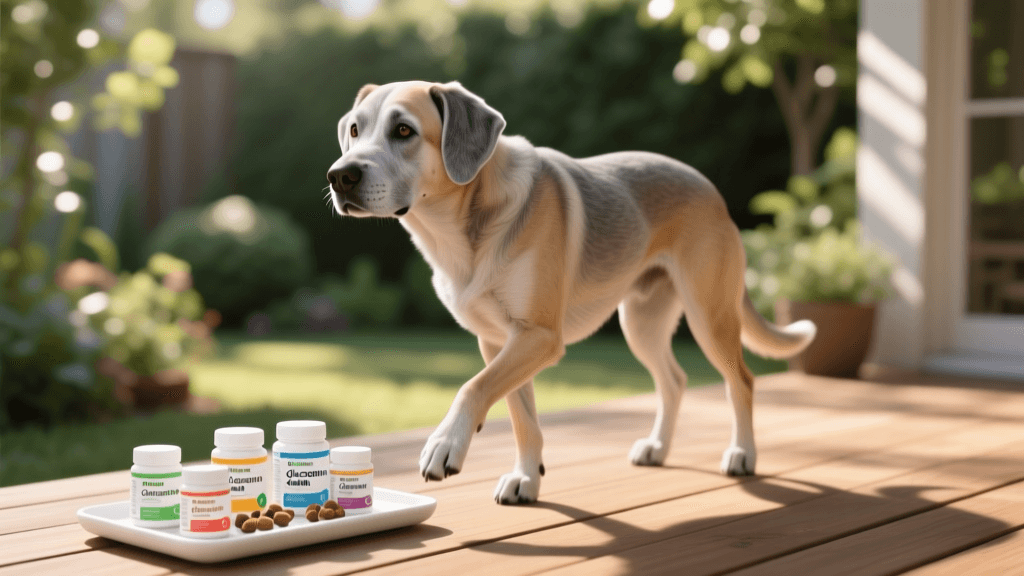
The Rising Need for Canine Joint Care
As our canine companions age, maintaining their mobility becomes one of the most critical aspects of their overall health and wellbeing. Osteoarthritis and general joint degeneration are incredibly common in dogs, particularly in large breeds, senior dogs, and those with a history of orthopedic injuries. According to the Cornell University College of Veterinary Medicine, osteoarthritis is a leading cause of chronic pain and decreased quality of life in dogs, affecting a significant percentage of the aging canine population.
While prescription medications like NSAIDs (Non-Steroidal Anti-Inflammatory Drugs) are often necessary for acute pain management, daily joint supplements play a vital role in preventive care and long-term joint support. However, the pet market is flooded with hundreds of chews, powders, and liquids, making it difficult for pet parents to separate science-backed formulas from marketing gimmicks. In this comprehensive buyer's guide, we break down the essential ingredients, review the top products on the market, and provide actionable advice on dosing and administration.
Decoding the Label: Key Ingredients to Look For
Before purchasing any joint supplement, it is crucial to understand the active ingredients. The VCA Animal Hospitals note that while supplements are not regulated as strictly as pharmaceuticals, specific compounds have proven clinical efficacy in supporting cartilage health and reducing inflammation.
- Glucosamine Hydrochloride (HCl): A natural compound found in cartilage that helps stimulate the production of glycosaminoglycans (GAGs), the building blocks of joint tissue. Glucosamine HCl is generally preferred over Glucosamine Sulfate due to higher bioavailability and stability.
- Chondroitin Sulfate: Often paired with glucosamine, chondroitin helps inhibit the enzymes that break down cartilage while drawing water into the joint space for better lubrication and shock absorption.
- MSM (Methylsulfonylmethane): An organic sulfur compound that acts as a potent anti-inflammatory, helping to reduce joint swelling and alleviate pain.
- ASU (Avocado/Soybean Unsaponifiables): A natural extract that has been shown to prevent cartilage degradation and promote joint repair at the cellular level.
- Green-Lipped Mussel (GLM): A rich source of Omega-3 fatty acids (EPA and DHA), antioxidants, and unique glycosaminoglycans that provide comprehensive joint and coat support.
Top 3 Dog Joint Supplements Reviewed
Based on veterinary recommendations, ingredient quality, palatability, and value, here are our top three picks for canine joint supplements in 2024.
1. Nutramax Dasuquin with MSM (Best Overall & Vet Recommended)
Dasuquin is widely considered the gold standard in veterinary joint care. It combines high-quality Glucosamine HCl, Chondroitin Sulfate, and MSM with ASU, making it a powerhouse for dogs with moderate to severe joint stiffness or those recovering from orthopedic surgery.
- Form: Flavored chewable tablets (available for small/medium and large dogs).
- Cost: Approximately $65 for 150 chews (Large Dog formula).
- Pros: Clinically tested ingredients; the addition of ASU provides superior cartilage protection; highly trusted by veterinary orthopedic surgeons.
- Cons: Premium price point; the tablet form may need to be hidden in food for picky eaters.
2. Cosequin DS Plus MSM (Best Value for Daily Maintenance)
Also manufactured by Nutramax, Cosequin is the classic joint supplement that started it all. While it lacks the ASU found in Dasuquin, its patented FCHG49 Glucosamine and TRH122 Chondroitin Sulfate are highly bioavailable and perfect for mild to moderate joint wear and tear.
- Form: Flavored chewable tablets.
- Cost: Approximately $45 for 130 chews.
- Pros: Excellent track record of safety and efficacy; more budget-friendly than Dasuquin; great for middle-aged dogs as a preventive measure.
- Cons: Lacks advanced ingredients like ASU or Green-Lipped Mussel.
3. Zesty Paws Mobility Bites (Best for Picky Eaters)
If your dog refuses to eat traditional supplements disguised as pills, Zesty Paws Mobility Bites are a fantastic alternative. Formulated with Glucosamine, Chondroitin, MSM, and Green-Lipped Mussel, these soft chews taste like high-value treats.
- Form: Soft chew treats (Duck or Chicken flavor).
- Cost: Approximately $26 for 90 chews.
- Pros: Exceptional palatability; includes Omega-rich Green-Lipped Mussel; affordable entry point for joint care.
- Cons: Lower concentrations of active ingredients per chew compared to veterinary brands; requires feeding multiple chews daily for large dogs, which adds calories.
Comparison Chart: Best Joint Supplements
| Product | Key Active Ingredients | Form | Est. Monthly Cost (50lb Dog) | Best For |
|---|---|---|---|---|
| Nutramax Dasuquin w/ MSM | Glucosamine, Chondroitin, MSM, ASU | Chew Tablet | $30 - $40 | Severe stiffness & post-surgery |
| Cosequin DS Plus MSM | Glucosamine, Chondroitin, MSM | Chew Tablet | $20 - $28 | Mild to moderate maintenance |
| Zesty Paws Mobility Bites | Glucosamine, MSM, Green-Lipped Mussel | Soft Treat | $15 - $25 | Picky eaters & young prevention |
Buyer's Guide: Dosing, Timing, and Best Practices
Purchasing the right supplement is only half the battle; administering it correctly is essential for seeing results. The American Kennel Club (AKC) emphasizes that consistency and proper dosing are critical when introducing joint support into your dog's routine.
The Loading Dose vs. Maintenance Dose
Most high-quality joint supplements require a 'loading dose' for the first 4 to 6 weeks. This typically means giving your dog double the standard daily amount to quickly saturate their system with cartilage-building compounds. After the initial loading phase, you will drop down to the standard 'maintenance dose.' Skipping the loading dose is a common mistake that leads pet owners to falsely conclude a supplement isn't working.
Timing and Digestion
Always administer joint supplements with a meal. Glucosamine and MSM can cause mild gastrointestinal upset, including nausea or loose stools, if given on an empty stomach. Mixing the supplement into wet food or wrapping it in a low-calorie treat like a piece of lean turkey can ensure full ingestion and better digestion.
Look for the NASC Seal
Because the pet supplement industry is not strictly regulated by the FDA in the same way pharmaceuticals are, you should always look for the National Animal Supplement Council (NASC) Quality Seal on the packaging. Brands that display this seal submit to rigorous third-party testing, ensuring that the ingredients listed on the label are actually present in the bottle in the correct amounts.
A Note on Veterinary Consultation: Always consult your primary veterinarian before starting any new supplement, especially if your dog is currently taking prescription NSAIDs like Carprofen or Meloxicam. While joint supplements are generally safe, combining them with certain medications requires professional oversight to protect your dog's liver and kidney function.
Final Thoughts on Canine Joint Health
Investing in a high-quality joint supplement is one of the most proactive steps you can take to ensure your dog enjoys a pain-free, active life well into their senior years. While premium options like Nutramax Dasuquin offer the most robust clinical backing for severe arthritis, daily maintenance formulas like Cosequin or treat-based options like Zesty Paws provide excellent support for aging joints. Pair these supplements with weight management, low-impact exercises like swimming or leash walking, and orthopedic bedding to provide your dog with the ultimate holistic wellness routine.
tom-renshaw
All our authors care for dogs every day — read more of their work on the authors page.