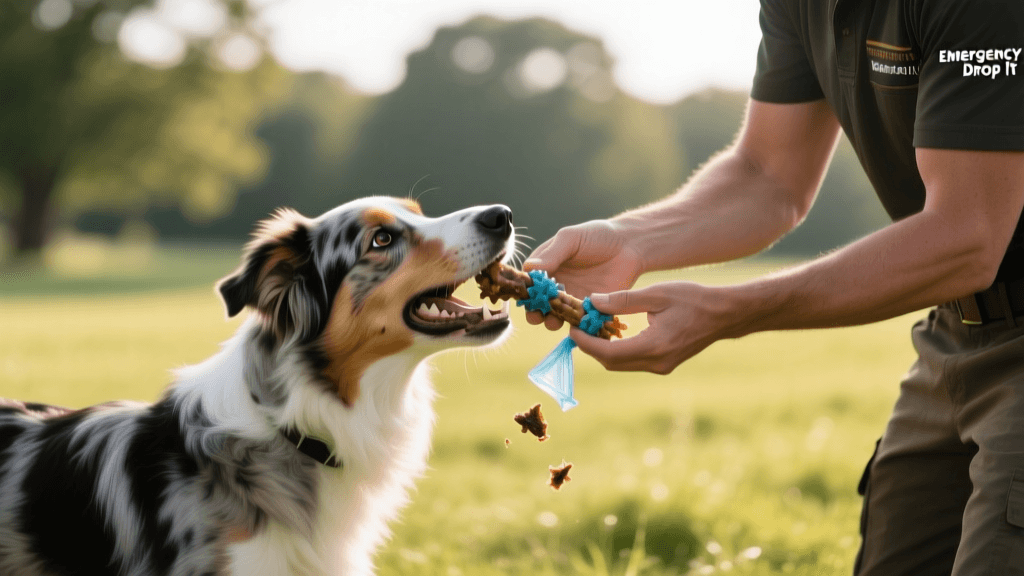
Furbo 360 Separation Anxiety Desensitization Guide 2026
Learn how to use the Furbo 360 camera for systematic departure cue desensitization to cure your dog's separation anxiety with our 2026 training protocol.
Understanding Canine Separation Anxiety in 2026
As we navigate the evolving hybrid work environments and strict return-to-office mandates of 2026, canine separation anxiety remains one of the most pressing behavioral challenges for pet owners. Dogs adopted during the peak remote-work era are now middle-aged or entering their senior years, and their established routines have been severely disrupted. Separation anxiety is not merely 'bad behavior' or a lack of obedience; it is a profound panic disorder. When left alone, dogs experiencing this condition suffer from acute cortisol spikes, leading to destructive behaviors, excessive vocalization, and even self-mutilation.
According to the ASPCA, separation anxiety is triggered when a dog becomes hyper-attached to their guardian and lacks the coping mechanisms to self-soothe in solitude. Traditional obedience training—such as teaching a dog to 'sit' or 'stay'—does little to address the underlying neurobiological panic. Instead, modern veterinary behaviorists advocate for systematic desensitization and counter-conditioning (DS/CC). In 2026, the integration of smart pet technology, specifically the Furbo 360 Dog Camera, has revolutionized how we implement these protocols at home, allowing owners to track, interrupt, and reshape their dog's emotional response to being left alone.
Why the Furbo 360 is Essential for Desensitization
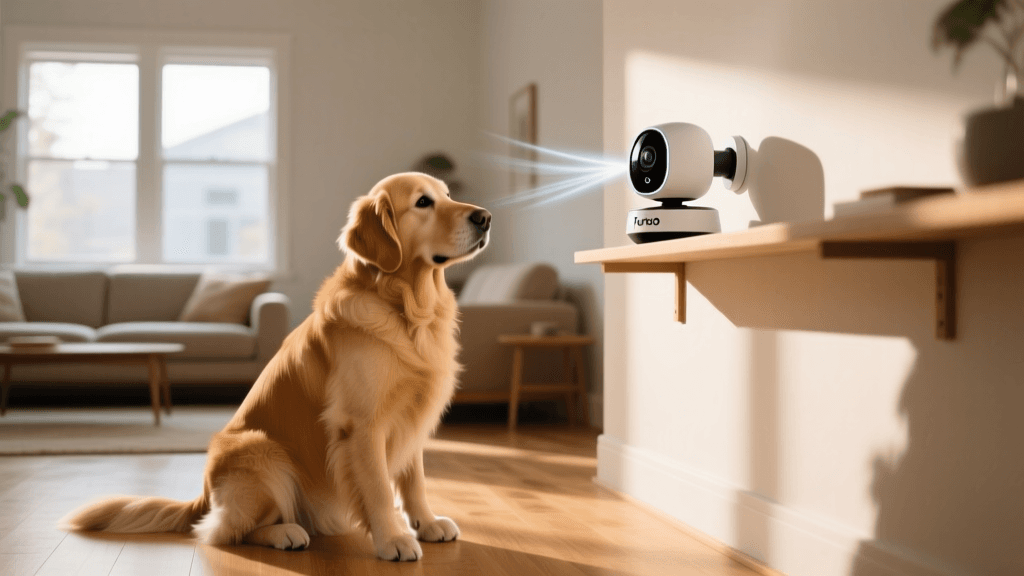
The Furbo 360 has cemented itself as the gold standard for separation anxiety training in 2026. Unlike static cameras, the Furbo 360 features a motorized base that provides a full 360-degree panoramic view, utilizing AI-driven auto-tracking to follow your dog as they pace—a common symptom of pre-departure anxiety. Furthermore, its advanced bark detection and anxiety-alert algorithms notify you the moment your dog's stress levels begin to elevate, allowing for real-time intervention.
However, the camera's most critical feature for behavioral conditioning is the remote treat-tossing mechanism. By pairing the Furbo's high-definition audio and treat dispenser with a structured departure cue protocol, owners can effectively change the dog's emotional association with the triggers that typically precede their panic.
The 2026 Departure Cue Desensitization Protocol
Dogs are highly observant of environmental patterns. Long before you walk out the door, your dog has already noticed the sequence of events that predict your departure: putting on shoes, picking up keys, grabbing a coat, and touching the doorknob. These are known as 'departure cues.' For a dog with separation anxiety, these cues trigger an immediate panic response. The goal of this protocol is to desensitize the dog to these cues by repeatedly presenting them without actually leaving, thereby stripping the cues of their predictive power.
Phase 1: Baseline Observation and AI Analysis
Before beginning active training, spend one week using the Furbo 360 to record your dog's baseline behavior. Utilize the 2026 firmware's 'Anxiety Summary' feature to identify exactly which departure cue triggers the first sign of stress. Does your dog begin pacing when you put on your socks? Do they whine when you pick up your keys? Identifying the primary trigger is crucial, as this will be the starting point of your desensitization hierarchy.
Phase 2: Counter-Conditioning Pre-Departure Cues
Once you have identified the triggers, you will begin counter-conditioning. This involves presenting the trigger and immediately providing a high-value reward via the Furbo 360's treat tosser. The objective is to rewire the dog's brain to associate the trigger with a positive outcome rather than impending isolation.
For example, if picking up your keys is the trigger, you will walk over to the keys, pick them up, and immediately use the Furbo app to toss a treat. You then put the keys down and ignore the dog. Repeat this 10 to 15 times per day. Over time, the dog will hear the jingle of the keys and look toward the Furbo 360 in anticipation of a treat, rather than trembling in fear of your departure.
Phase 3: Micro-Absences and Graded Exposure
Only after your dog shows zero signs of anxiety during all pre-departure cues should you attempt to leave the house. This phase involves 'micro-absences'—leaving the house for mere seconds and returning before the dog can become distressed. The Furbo 360's auto-tracking and live audio allow you to monitor your dog's body language in real-time. If the dog remains relaxed, you gradually increase the duration of your absence by increments of 5 to 10 seconds.
4-Week Departure Cue Training Schedule
The following structured schedule provides a framework for systematically desensitizing your dog to your departure routine. Remember, this timeline is flexible; if your dog shows anxiety at any step, revert to the previous successful step.
| Week | Target Departure Cue | Human Action | Furbo 360 Interaction |
|---|---|---|---|
| 1 | Picking up keys / wallet | Pick up items, sit back down on the couch | Manual treat toss immediately upon picking up items |
| 2 | Putting on shoes / coat | Put on shoes and coat, then take them off | Toss high-value treat, use calm verbal praise via audio |
| 3 | Touching / turning doorknob | Touch and turn the knob, release, step away | Automated treat toss sequence triggered by app |
| 4 | Opening door / Stepping out | Open door 2 inches, close it, step out for 5 seconds | Monitor via auto-tracking; toss treat upon safe return |
Selecting the Optimal Treats for the Furbo 360 Dispenser
The mechanical dispenser of the Furbo 360 in 2026 is calibrated to handle spherical or semi-spherical treats up to 0.4 inches (10mm) in diameter. Using treats that are too large, too crumbly, or excessively sticky will result in dispenser jams, which can startle an already anxious dog and disrupt the training session.
For separation anxiety training, the treat must be of exceptionally high value to override the dog's panic response. Standard kibble is rarely sufficient. We recommend using Zuke's Mini Naturals (broken in half to ensure they fit the 10mm threshold) or Plato Pet Treats Salmon Bites, which offer a strong olfactory stimulus that captures the dog's attention. For dogs with food sensitivities, single-ingredient freeze-dried beef liver chunks, specifically sized for small dispensers, are highly effective. Always load the camera with fresh treats daily to prevent the mechanism from clogging due to moisture buildup.
Common Pitfalls and Troubleshooting Setbacks
One of the most frequent mistakes owners make during desensitization is pushing the dog past their 'threshold.' The threshold is the exact point at which the dog transitions from a relaxed state to an anxious state. If you step outside for 30 seconds and your dog begins to pant heavily, pace, or whine, you have stayed away too long. You must return before the panic sets in. If the dog is already panicking when you return, you have inadvertently reinforced the anxiety cycle.
Another common pitfall is making a grand departure or arrival. In 2026, veterinary behaviorists emphasize the 'boring return' protocol. When you re-enter the home, do not greet your dog with high-pitched voices or physical affection. Ignore the dog completely until they are calm and all four paws are on the floor. This reduces the stark contrast between your presence and absence, making your departures and arrivals less emotionally charged events.
When to Involve a Veterinary Behaviorist
While the Furbo 360 and systematic desensitization are powerful tools, severe separation anxiety often requires pharmacological support. The VCA Animal Hospitals notes that behavioral modification is significantly more effective when paired with anti-anxiety medications that lower the dog's baseline arousal level. If your dog is injuring themselves, destroying structural elements of your home, or if they are entirely unable to consume high-value treats when you begin your departure routine, it is time to consult a board-certified veterinary behaviorist.
Medications such as Fluoxetine (Reconcile) or situational fast-acting agents like Trazodone can provide the chemical bridge necessary for your dog's brain to accept the new behavioral conditioning you are implementing via the Furbo 360. Medication is not a failure of training; it is a vital component of comprehensive veterinary care for panic disorders.
Conclusion
Curing separation anxiety is a marathon, not a sprint. By leveraging the advanced AI tracking, real-time audio, and treat-dispensing capabilities of the Furbo 360, you can systematically dismantle your dog's pre-departure panic and replace it with a sense of security. Stick to the 2026 departure cue desensitization protocol, respect your dog's emotional threshold, and maintain consistency. With patience and the right technological support, your dog can learn to feel safe, relaxed, and confident, even when you are miles away.
tom-renshaw
All our authors care for dogs every day — read more of their work on the authors page.