How to Integrate Dog Training Into Daily Wellness Routines
Learn how to seamlessly blend obedience training into your dog's daily wellness routine for better behavior, mental health, and a stronger bond.

The Intersection of Canine Wellness and Training
When most pet parents think of canine wellness, their minds immediately jump to physical health: annual veterinary check-ups, balanced nutrition, flea prevention, and daily exercise. However, true canine wellness is a holistic concept that encompasses mental, emotional, and behavioral health. According to the American Veterinary Medical Association (AVMA), preventive care for dogs must include environmental enrichment and behavioral conditioning to prevent stress-related illnesses and destructive habits. Training is not merely a chore to achieve a polite dog; it is a fundamental pillar of your dog's daily wellness routine.
Integrating obedience training and behavioral conditioning into your dog's daily schedule transforms mundane routines into powerful opportunities for cognitive stimulation. Mental work is incredibly taxing for dogs. In fact, veterinary behaviorists often note that fifteen minutes of focused mental enrichment and training can burn as much energy as an hour of physical walking. By weaving training into your dog's daily wellness schedule, you satisfy their innate drive to work, reduce anxiety, and forge an unbreakable bond based on clear communication and mutual trust.
The Science of Canine Cognitive Wellness
Dogs are naturally problem-solving scavengers and workers. In the wild, their ancestors spent up to 80% of their waking hours foraging and hunting. Today, most pet dogs are fed from a bowl in under three minutes, leaving them with a massive surplus of unspent mental energy. This cognitive boredom is a leading cause of behavioral issues such as excessive barking, chewing, and digging. By integrating training into daily wellness routines, you tap into their natural foraging and working instincts. The American Kennel Club (AKC) Training Resources heavily advocate for using daily meals and routines as training opportunities to promote cognitive health and stave off canine cognitive dysfunction as dogs age.
Designing the Ultimate Daily Wellness and Training Schedule
Creating a structured routine provides dogs with a sense of security. Predictability lowers cortisol levels and reduces anxiety. Below is a sample daily schedule that seamlessly blends physical wellness, mental enrichment, and obedience training.
| Time Block | Wellness Activity | Training Integration | Duration |
|---|---|---|---|
| 7:00 AM | Breakfast & Potty | Recall, 'Wait', & Scent Games | 15 mins |
| 12:00 PM | Midday Walk | Loose-Leash Walking & 'Leave It' | 30 mins |
| 3:00 PM | Mental Enrichment | 'Place' Command & Lick Mat Work | 20 mins |
| 7:00 PM | Dinner & Grooming | Impulse Control & Handling Desensitization | 20 mins |
| 9:00 PM | Evening Wind-Down | 'Settle' & Gentle Massage | 10 mins |
Morning Routines: Fueling the Body and the Brain
Morning is the perfect time to capitalize on your dog's natural hunger and enthusiasm. Instead of pouring half a cup of kibble into a stainless steel bowl, use your dog's breakfast as a training paycheck. This practice, known as 'ditching the bowl,' turns a passive eating experience into an active cognitive workout.
Breakfast Scent Games
Scatter feeding or using a Snuffle Mat encourages natural foraging behaviors. For a more structured training session, practice the 'Find It' command. Have your dog perform a 'Sit-Stay' in the kitchen, scatter their measured 1/2 cup of kibble across the living room rug, and release them with an enthusiastic 'Find It!' This builds scent discrimination, confidence, and impulse control simultaneously.
Impulse Control at the Door
Before heading out for the morning potty break, practice the 'Wait' command at the front door. Open the door slightly; if your dog leans forward, close it immediately. Repeat until your dog offers a sit or makes eye contact, then use a release word like 'Free' or 'Okay' to exit. This daily repetition builds vital impulse control that translates to safer behavior around traffic and strangers.
Midday Walks: Leash Manners and Environmental Socialization
The midday walk is a cornerstone of physical wellness, but it is equally critical for behavioral conditioning. Many owners treat walks as a human-centric exercise routine, dragging the dog from point A to point B. To maximize wellness, shift your perspective to a 'Sniffari'.
The Power of the Sniffari
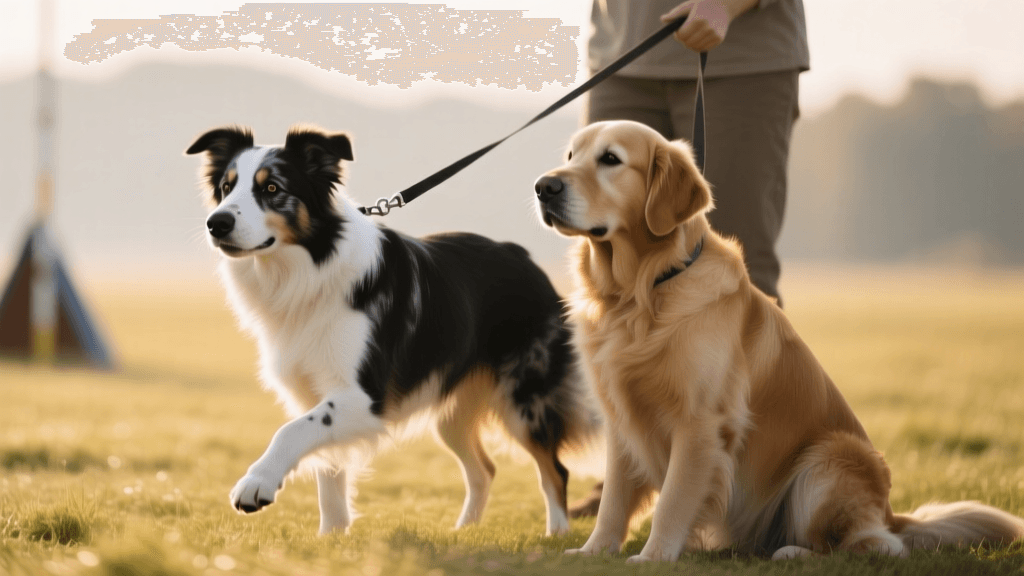
Allowing your dog to sniff their environment is mentally exhausting and deeply enriching. A dog's olfactory bulb is proportionally 40 times larger than a human's, and processing complex environmental scents stimulates their brain profoundly. Dedicate at least 15 minutes of your 30-minute walk purely to sniffing. Use this time to practice loose-leash walking; whenever the leash goes tight, stop walking. Only move forward when the leash is slack, teaching your dog that tension on the leash acts as a brake, not an accelerator.
Real-World 'Leave It'
Walks present endless opportunities to practice the 'Leave It' command. When your dog spots a discarded food wrapper or a dead animal, use your 'Leave It' cue. When they look away from the distraction and up at you, reward them with a high-value treat, such as a 1/4-inch piece of boiled chicken breast. This conditions your dog to look to you for guidance in the presence of environmental hazards.
Afternoon Enrichment: Beating the Midday Slump
The mid-afternoon is when many dogs become restless or destructive while their owners are working or busy. Integrating calming enrichment activities into this time block promotes emotional wellness and prevents the rehearsal of unwanted behaviors.
Lick Mats and the 'Place' Command
Licking is a self-soothing behavior for dogs that releases endorphins and lowers heart rates. Prepare a Hyper Pet IQ Treat Mat (retailing around $12) by spreading 1 to 2 tablespoons of plain, xylitol-free pumpkin puree mixed with a spoonful of plain Greek yogurt. Freeze the mat for two hours to increase the difficulty and duration of the activity.
Use this frozen treat to train the 'Place' command. Direct your dog to their designated cot or bed, reward them for settling, and then present the lick mat. If they pick up the mat and try to carry it away, gently guide them back to their 'Place.' This teaches your dog how to self-regulate and settle on a mat, a crucial skill for hosting guests or visiting the veterinarian.
Evening Wind-Down: Impulse Control and Cooperative Care
Evening routines are ideal for grooming, physical inspections, and cooperative care training. The ASPCA General Dog Care Guidelines emphasize the importance of regular grooming and handling to maintain physical health and detect early signs of illness. However, many dogs find brushing, nail trimming, and ear cleaning highly stressful.
Desensitization and Counter-Conditioning
Turn evening grooming into a positive training game through desensitization. Start by simply touching your dog's paw for one second, then immediately feeding a high-value treat. Gradually increase the duration of the touch, then introduce the nail clippers by touching them to the paw without clipping. This process, known as cooperative care, empowers the dog and builds trust. If your dog shows signs of stress (lip licking, yawning, pulling away), you have moved too fast; take a step back to the previous successful step. Spending just five minutes a day on handling desensitization can completely transform your dog's wellness visits from traumatic ordeals into calm, cooperative experiences.
Applying the Premack Principle in Daily Life
To truly integrate training into your dog's wellness routine, you must understand the Premack Principle, often referred to as 'Grandma's Law.' This behavioral theory states that a more probable behavior (something the dog really wants to do) can be used to reinforce a less probable behavior (something you want the dog to do).
- Going Outside: Sitting calmly (less probable) is rewarded by the door opening to the yard (more probable).
- Greeting Guests: Keeping four paws on the floor (less probable) is rewarded by getting to sniff and greet the visitor (more probable).
- Getting in the Car: Waiting for the cue (less probable) is rewarded by jumping into the car for a ride (more probable).
By applying the Premack Principle, the environment itself becomes the reward, and training becomes an invisible, continuous thread woven through every aspect of your dog's daily life.
Tracking Progress and Adjusting the Routine
Just as you would track your dog's weight or dietary intake for physical wellness, you should track their behavioral progress. Keep a small journal or use a notes app to record daily training successes and setbacks. Note which times of day your dog is most focused and which environmental distractions are the most challenging. If your dog consistently fails to hold a 'Stay' during the chaotic 6:00 PM dinner preparation, adjust the schedule to practice 'Stay' during quieter moments, and rely on management tools like a baby gate during high-stress periods.
Conclusion
Integrating dog training into daily wellness routines is about shifting your mindset from viewing training as an isolated event to seeing it as a lifestyle. By utilizing mealtimes for cognitive games, walks for environmental socialization, and grooming sessions for cooperative care, you provide a holistic wellness experience that nurtures your dog's body and mind. This consistent, compassionate approach not only yields a remarkably well-behaved companion but also ensures your dog lives a richer, more fulfilling, and mentally vibrant life.
jonas-cole
All our authors care for dogs every day — read more of their work on the authors page.