Canine Heatstroke: Emergency Response and Prevention Guide
Learn to identify, treat, and prevent canine heatstroke. Discover emergency cooling steps, critical warning signs, and safety gear to protect your dog.
Understanding the Physiology of Canine Heat Regulation
Dogs do not regulate their body temperature the same way humans do. While humans have millions of eccrine sweat glands distributed across their skin to release heat, dogs possess only a minimal number of these glands, primarily located in their paw pads. Instead, canines rely heavily on panting and vasodilation—the expansion of blood vessels near the skin's surface—to dissipate heat. When environmental temperatures exceed a dog's ability to cool itself, their core body temperature rises rapidly, leading to a life-threatening condition known as hyperthermia or heatstroke.
According to VCA Animal Hospitals, a dog's normal resting body temperature ranges between 101°F and 102.5°F. Once the core temperature surpasses 104°F, the dog enters the danger zone, where cellular damage and systemic organ failure can begin within minutes. Brachycephalic breeds (such as Bulldogs, Pugs, and Boston Terriers), senior dogs, and overweight canines are at an exponentially higher risk due to compromised airway anatomy and reduced cardiovascular efficiency.
Recognizing the Warning Signs: Early vs. Severe
Heatstroke is a progressive emergency. Recognizing the early clinical signs can mean the difference between a simple recovery and catastrophic organ failure.
Early Signs of Heat Stress
- Excessive, frantic panting: Breathing that does not slow down when the dog rests.
- Hypersalivation: Thick, ropey drool or excessive dripping.
- Bright red or brick-colored gums: Indicating rapid vasodilation and increased blood flow to the mucous membranes.
- Restlessness or anxiety: Pacing, inability to settle, or seeking out cool surfaces.
Severe Heatstroke Symptoms (Immediate Veterinary Emergency)
- Lethargy and weakness: Stumbling, disorientation, or inability to stand.
- Vomiting and diarrhea: Often containing blood due to gastrointestinal mucosal sloughing.
- Seizures or tremors: A result of neurological distress and brain swelling.
- Coma or unresponsiveness: The final stage before cardiovascular collapse.
The 15-Minute Emergency Response Protocol
If you suspect your dog is suffering from heatstroke, immediate at-home intervention is critical before and during transport to the nearest emergency veterinary clinic. Follow this step-by-step protocol to safely lower their core temperature.
- Relocate Immediately: Move the dog into an air-conditioned environment or a deeply shaded, well-ventilated area. Turn on ceiling fans or place a portable fan directly on the dog to promote convective cooling.
- Measure Core Temperature: Using a digital rectal thermometer (lubricated with a water-based lubricant or petroleum jelly), take the dog's temperature. A basic digital thermometer costs between $10 and $15 and is a mandatory item for any canine first-aid kit.
- Apply Cool (Not Cold) Water: Use a hose, wet towels, or a sponge to apply cool tap water to the dog's paw pads, armpits, groin, and the back of the neck. These areas have high concentrations of superficial blood vessels.
- Monitor and Stop Cooling at 103°F: This is a critical safety threshold. According to the ASPCA, you must stop active cooling measures once the dog's temperature reaches 103°F. Continuing to cool the dog past this point can induce rebound hypothermia, which is equally dangerous.
- Offer Small Sips of Water: Allow the dog to drink small amounts of cool water. Do not let them gulp large quantities, as this can lead to vomiting or bloat (Gastric Dilatation-Volvulus).
- Transport to the Vet: Even if the dog appears to recover, internal organ damage may have already occurred. Transport them to a veterinarian immediately for IV fluid therapy and bloodwork.
Canine Vitals and Heatstroke Comparison Chart
Use the following data table to assess your dog's condition based on their vital signs and physical symptoms.
| Metric / Vital Sign | Normal Range | Mild Heat Stress | Severe Heatstroke |
|---|---|---|---|
| Core Temperature | 101.0°F - 102.5°F | 103.0°F - 104.0°F | Above 104.5°F |
| Heart Rate | 60 - 140 bpm (size dependent) | Elevated, bounding pulse | Irregular, weak, or rapid |
| Gum Color | Pink, moist | Bright red or brick red | Pale, blue, or gray (cyanotic) |
| Respiration | 10 - 30 breaths/min | Heavy, continuous panting | Shallow, labored, or gasping |
| Mental State | Alert and responsive | Restless, anxious | Disoriented, collapsed, comatose |
Dangerous Myths and Mistakes to Avoid
In the panic of an emergency, well-meaning pet owners often make critical errors that can worsen the dog's condition.
- The Ice Bath Myth: Never submerge an overheating dog in an ice bath or apply ice packs directly to their skin. Extreme cold causes peripheral vasoconstriction—the narrowing of blood vessels near the skin. This traps the lethal heat inside the dog's core organs and prevents further heat dissipation.
- Wetting the Dog and Leaving Them in the Sun: Wetting a dog's coat and leaving them in direct sunlight or a closed space creates a 'greenhouse effect,' where the trapped humidity actually accelerates heatstroke.
- The 'Cracked Window' Fallacy: The Humane Society of the United States warns that on a 75°F day, the interior of a parked car can reach 100°F in just 20 minutes, even with the windows cracked. Never leave a dog unattended in a vehicle.
Proactive Prevention: Gear, Timing, and Hydration
Preventing heatstroke requires a combination of environmental awareness, proper scheduling, and the use of specialized safety gear.
The 7-Second Asphalt Test
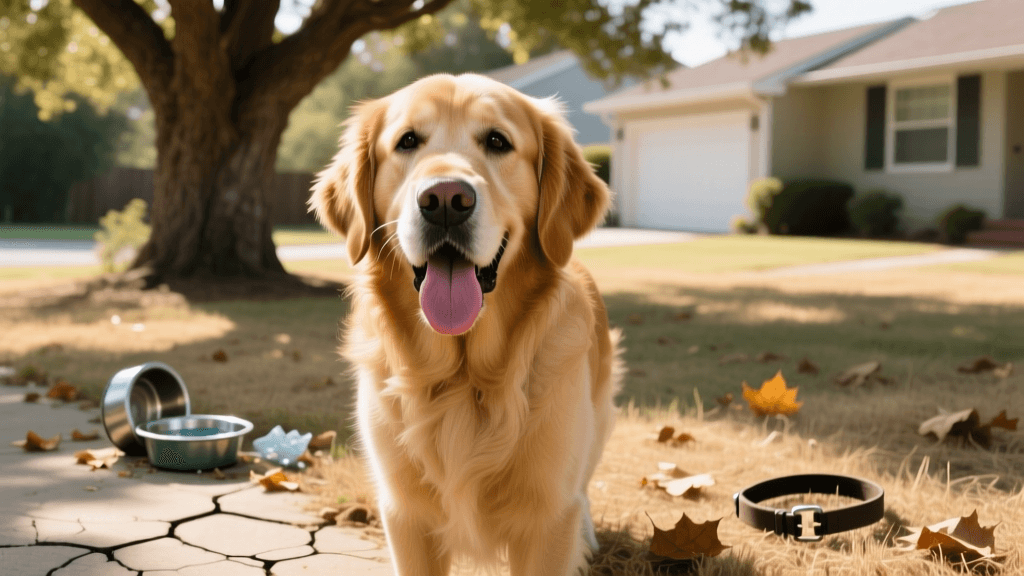
Dogs absorb heat directly through their paw pads from hot surfaces. Before taking your dog for a walk, place the back of your bare hand on the asphalt or concrete. If you cannot comfortably hold it there for a full seven seconds, the pavement is too hot for your dog's paws and will rapidly radiate heat into their body. Opt for grassy areas or wait until the evening.
Strategic Timing and Hydration
During the summer months, restrict all strenuous exercise to the early morning (before 8:00 AM) or late evening (after 8:00 PM). Ensure your dog is consuming adequate water. The general rule of thumb is one ounce of water per pound of body weight daily, but this requirement can double during periods of high heat and activity. Carry a portable water bottle like the Kurgo Zinger ($15) or a collapsible silicone bowl on all outings.
Invest in Cooling Gear
For working dogs, hiking companions, or breeds prone to overheating, invest in evaporative cooling vests. Products like the Ruffwear Swamp Cooler ($70 - $85) utilize a three-layer construction: an outer mesh that reflects heat, a middle absorbent layer that stores water, and an inner wicking layer that transfers moisture to the dog's core. To use, simply soak the vest in cold water, wring it out, and place it on the dog. Re-wet the vest every 45 to 60 minutes to maintain the evaporative cooling effect.
Post-Emergency Veterinary Care and Recovery
Even if you successfully lower your dog's temperature at home, a veterinary examination is non-negotiable. Heatstroke triggers a systemic inflammatory response that can lead to delayed complications such as Acute Kidney Injury (AKI), liver failure, and Disseminated Intravascular Coagulation (DIC)—a severe blood-clotting disorder. Your veterinarian will likely administer intravenous crystalloid fluids to support blood pressure and flush the kidneys, alongside a comprehensive blood panel to monitor organ enzymes and electrolyte imbalances. Recovery can take days to weeks, requiring strict cage rest, a bland diet, and continuous monitoring by your veterinary team.
priya-sutaria
All our authors care for dogs every day — read more of their work on the authors page.