Diagnosing and Managing Canine Osteoarthritis in Dogs
Learn how to diagnose canine osteoarthritis and explore effective treatments, joint supplements, and home modifications to improve your senior dog's mobility.
The Hidden Epidemic: Understanding Canine Osteoarthritis
Osteoarthritis (OA), also known as degenerative joint disease, is a progressive, inflammatory condition that leads to the deterioration of articular cartilage. While often dismissed as a normal part of aging, OA is a manageable medical condition that significantly impacts a dog's quality of life. When cartilage wears away, bone rubs against bone, causing chronic pain, decreased range of motion, and the formation of painful bone spurs (osteophytes).
According to the American Kennel Club, it is estimated that 20% of adult dogs and up to 80% of senior dogs suffer from some form of osteoarthritis, making it one of the most common chronic diseases in veterinary medicine.
Because dogs are evolutionarily hardwired to mask pain, diagnosing and treating this condition requires a proactive, multi-modal approach. This guide will walk you through the diagnostic process and provide actionable, specific solutions to restore your dog's mobility and comfort.
Problem Diagnosis: Spotting the Early Signs of Joint Pain
Unlike humans, dogs cannot verbalize joint stiffness or aching. Instead, canine osteoarthritis manifests through subtle behavioral and biomechanical changes. Early diagnosis is critical to slowing the progression of cartilage loss. Watch for the following clinical signs:
- Altered Gait and Biomechanics: A slight limp, 'bunny-hopping' with the hind legs, or a swaying gait. You may notice decreased weight-bearing on one specific limb.
- Reluctance to Perform Previously Loved Activities: Hesitation before jumping into the car, onto the bed, or climbing stairs. Refusal to go on long walks or lagging behind on the trail.
- Morning Stiffness: Noticeable stiffness after waking up or after prolonged rest, which often improves slightly after the dog 'warms up' with mild movement.
- Behavioral Changes: Uncharacteristic irritability, aggression when touched near the joints, excessive licking or chewing of specific joints (often the carpus or stifle), and withdrawal from family interactions.
- Muscle Atrophy: Visible shrinking of the thigh muscles (quadriceps and hamstrings) due to decreased use of the affected hind legs.
Veterinary Diagnosis: What to Expect at the Clinic
If you observe any of the signs above, schedule a veterinary orthopedic examination. The diagnostic process typically involves:
- Palpation and Range of Motion Testing: The veterinarian will manipulate each joint to check for crepitus (a grinding sensation), joint effusion (swelling), and decreased range of motion. They may also perform a 'drawer test' to rule out cranial cruciate ligament (CCL) tears, a leading secondary cause of OA.
- Radiographs (X-Rays): Essential for confirming the diagnosis. X-rays reveal joint space narrowing, subchondral bone sclerosis (hardening), and the presence of osteophytes.
- Orthopedic Foundation Scoring: For breeds prone to hip or elbow dysplasia, specialized scoring systems may be used to grade joint laxity and degeneration.
Actionable Solutions: A Multi-Modal Treatment Plan
There is no cure for canine osteoarthritis, but a multi-modal approach can effectively manage pain, reduce inflammation, and slow disease progression.
1. Weight Management and Diet
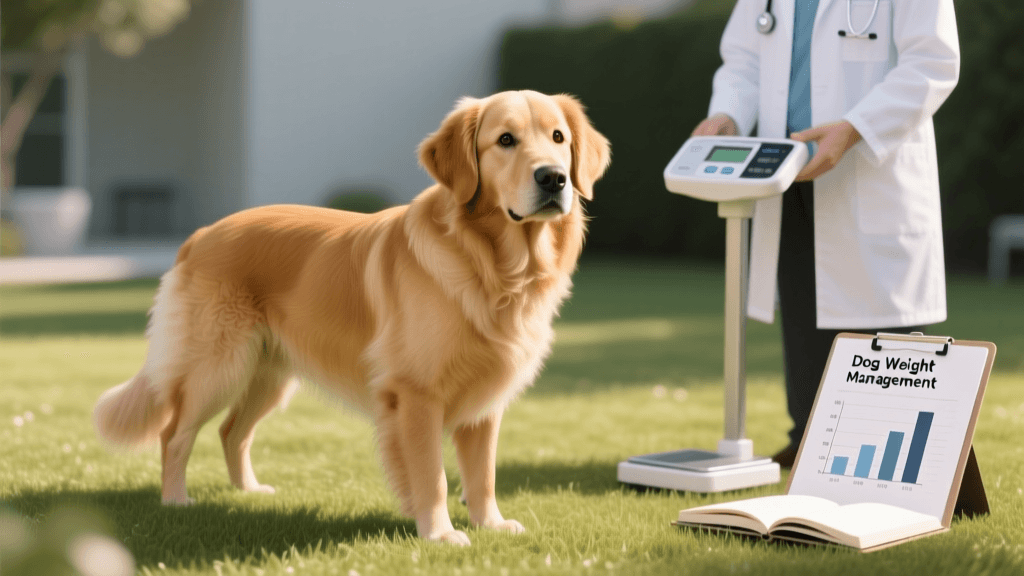
Excess body weight is the single most modifiable risk factor for OA progression. Every extra pound places exponential stress on compromised joints. The World Small Animal Veterinary Association (WSAVA) emphasizes maintaining a Body Condition Score (BCS) of 4 to 5 on a 9-point scale for arthritic dogs.
- Caloric Reduction: Reduce daily caloric intake by 10% to 20%. Use a measuring cup or digital kitchen scale rather than estimating kibble portions.
- Joint-Support Diets: Consider prescription mobility diets (e.g., Hill's Prescription Diet j/d or Royal Canin Mobility Support) that are fortified with therapeutic levels of Omega-3 fatty acids and joint-building nutrients.
2. Joint Supplements and Medications
Nutraceuticals and pharmaceuticals form the cornerstone of OA pain management. Below is a comparison of common interventions to discuss with your veterinarian:
| Treatment Type | Product Examples | Primary Benefit & Dosage | Estimated Monthly Cost (50lb Dog) |
|---|---|---|---|
| Oral Joint Supplements | Dasuquin Advanced, Cosequin DS | Provides Glucosamine HCl, Chondroitin Sulfate, and ASU to support cartilage matrix. Give daily. | $45 - $75 |
| Omega-3 Fatty Acids | Welactin 3D, Nordic Naturals Omega-3 Pet | Reduces joint inflammation. Target dose: 300mg combined EPA/DHA per 10kg of body weight daily. | $30 - $50 |
| Injectable Disease-Modifiers | Adequan Canine (Polysulfated Glycosaminoglycan) | Inhibits cartilage-degrading enzymes. Initial series: 2x/week for 4 weeks, then monthly maintenance. | $100 - $150 (Initial Series) |
| NSAIDs (Prescription) | Carprofen (Rimadyl), Meloxicam, Galliprant | Blocks COX enzymes to reduce pain and inflammation. Used during flare-ups or daily for severe OA. | $40 - $90 |
Note: Never administer human NSAIDs like ibuprofen or acetaminophen to dogs, as they are highly toxic and can cause fatal liver or kidney failure.
3. Environmental Modifications
Adapting your home environment prevents micro-traumas caused by slipping and jumping, which trigger painful OA flare-ups.
- Traction on Hard Floors: Hardwood and tile are hazardous for arthritic dogs. Lay down interlocking foam mats or non-slip area rugs (e.g., Gorilla Grip rug pads) in high-traffic areas and near the dog's bed.
- Ramps and Stairs: Eliminate the need to jump into vehicles or onto beds. Use a ramp with a minimum 1:4 slope ratio (for every 4 inches of length, the ramp rises 1 inch) to ensure the incline is gentle enough for compromised hind legs.
- Orthopedic Bedding: Invest in a high-density memory foam bed (minimum 4 inches thick) to relieve pressure points. Avoid beds stuffed with polyester fiberfill, which flatten out and offer zero joint support.
- Raised Food Bowls: Elevate food and water bowls to your dog's shoulder height to reduce cervical spine (neck) strain during meals.
4. Physical Therapy and Controlled Exercise
While rest is necessary during acute flare-ups, prolonged inactivity leads to muscle atrophy, which further destabilizes the joints. The goal is low-impact, controlled movement.
- Leash Walking: Replace long, off-leash park runs with structured, 15-minute leash walks twice daily. This prevents the dog from overexerting themselves and allows you to control the pace and terrain.
- Hydrotherapy: Underwater treadmills and swimming pools provide buoyancy, reducing joint load by up to 90% while the water's resistance builds supporting muscle mass.
- Canine Massage and Acupuncture: Certified canine rehabilitation therapists can perform myofascial release and acupuncture to alleviate compensatory muscle spasms in the back and shoulders.
Cost Breakdown: Budgeting for Arthritis Care
Managing a chronic condition requires a long-term financial commitment. As noted by the FDA's Center for Veterinary Medicine, pet owners should work closely with their veterinarians to balance efficacy with budget constraints. Here is an estimated annual budget for a moderate OA case:
- Daily Joint Supplements & Omega-3s: $600 - $900 / year
- Bi-Annual Vet Exams & X-Rays: $300 - $500 / year
- Environmental Upgrades (Beds, Ramps, Rugs): $200 - $400 (One-time or replacement costs)
- Prescription NSAIDs (as needed): $250 - $600 / year
Total Estimated Annual Cost: $1,350 - $2,400. Many pet insurance policies will cover prescription medications and veterinary exams for OA, provided the condition was not present before the policy's effective date.
Conclusion
Canine osteoarthritis is a progressive disease, but it does not have to dictate a decline in your dog's quality of life. By recognizing the subtle early signs of joint pain, securing a definitive veterinary diagnosis, and implementing a comprehensive, multi-modal treatment plan, you can keep your senior dog active, comfortable, and happy. Always consult with your primary veterinarian or a board-certified veterinary orthopedic specialist before starting new supplements or altering your dog's medication regimen.
jonas-cole
All our authors care for dogs every day — read more of their work on the authors page.