Canine Heatstroke: Emergency First Aid and Prevention Guide
Learn how to identify, treat, and prevent canine heatstroke. Discover emergency first aid steps, cooling products, and critical warning signs for dogs.
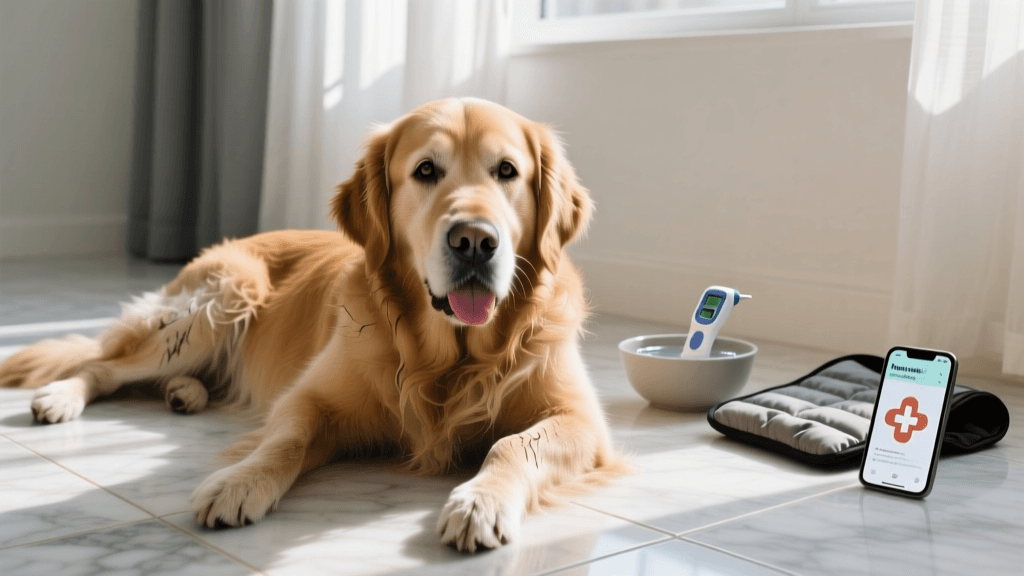
As the summer sun peaks, the joy of outdoor adventures with your dog can quickly turn into a life-threatening emergency. Canine heatstroke, clinically known as hyperthermia, is a severe condition that occurs when a dog's body temperature rises beyond its ability to self-regulate. Unlike humans, dogs cannot rely on widespread sweat glands to cool down, making them exceptionally vulnerable to rapid temperature spikes. According to VCA Animal Hospitals, heatstroke can lead to multi-organ failure, brain damage, and even death within a matter of minutes if left untreated.
This comprehensive emergency and safety guide will equip you with the knowledge to recognize the subtle warning signs of heat stress, execute a critical 15-minute first aid protocol, and invest in the right prevention gear to keep your canine companion safe during the hottest months of the year.
The Physiology of Canine Thermoregulation
To understand why heatstroke is so dangerous, it is essential to understand how dogs cool themselves. A dog's normal resting body temperature ranges from 101.0°F to 102.5°F. When environmental temperatures rise, dogs primarily dissipate heat through panting, which allows moisture to evaporate from their respiratory tract. They also rely on vasodilation—the expansion of blood vessels near the skin's surface, particularly in the face, ears, and paw pads—to release heat into the air.
However, when the ambient temperature approaches or exceeds the dog's internal body temperature, or when high humidity prevents the evaporation of panting moisture, these cooling mechanisms fail. The core temperature begins to spiral upward, triggering a systemic inflammatory response that can rapidly degrade cellular function.
Recognizing the Warning Signs of Hyperthermia
Heatstroke does not happen instantly; it progresses through stages. Early intervention during the heat stress or heat exhaustion phases can prevent the need for emergency veterinary hospitalization. The American Kennel Club (AKC) advises owners to monitor their dogs closely for the following physical and behavioral changes.
| Stage | Core Temperature | Physical Symptoms | Behavioral Signs | Action Required |
|---|---|---|---|---|
| Normal | 101.0°F - 102.5°F | Normal breathing, moist gums | Alert, responsive, playful | Routine care and hydration |
| Heat Stress | 103.0°F - 104.0°F | Heavy panting, excessive drooling, reddened gums | Restless, seeking shade, pacing | Move to shade, offer water, begin cooling |
| Heat Exhaustion | 104.1°F - 105.5°F | Rapid heart rate, vomiting, diarrhea, dry mucous membranes | Lethargic, confused, uncoordinated | Immediate first aid and transport to vet |
| Severe Heatstroke | 106.0°F and above | Seizures, collapse, bleeding disorders, coma | Unresponsive, loss of consciousness | CRITICAL: Rush to emergency vet immediately |
The 15-Minute Emergency First Aid Protocol
If you suspect your dog is suffering from heat exhaustion or heatstroke, the first 15 minutes are critical. Your goal is to lower the body temperature gradually and safely. Rapid cooling using ice or freezing water is extremely dangerous, as it causes peripheral vasoconstriction—trapping the dangerous heat inside the dog's core organs.
Follow these actionable steps immediately:
- Relocate to a Cool Environment: Move the dog indoors to an air-conditioned room or into the deepest shade available. Turn on ceiling fans or place a standing fan directly on the dog to promote convective heat loss.
- Measure Core Temperature: Use a digital rectal thermometer (such as the Vet-Temp brand, approx. $15) lubricated with petroleum jelly. If the temperature is above 104.0°F, begin cooling immediately. Stop active cooling once the temperature reaches 103.0°F to prevent hypothermia.
- Apply Lukewarm Water: Douse the dog with lukewarm or cool tap water (between 85°F and 90°F). Focus on the areas with the highest concentration of blood vessels: the paw pads, the groin, the armpits, and the back of the neck. Never submerge the dog's head, as this can lead to aspiration pneumonia.
- Encourage Hydration Safely: Offer small amounts of cool (not ice-cold) water or unflavored canine electrolyte solutions. Do not force water into the dog's mouth, as a lethargic dog may inhale the fluid into their lungs.
- Transport to the Veterinarian: Even if your dog appears to recover, internal organ damage may have already occurred. Call your nearest emergency veterinary clinic on the way so they can prepare for your arrival.
Essential Cooling Gear and Prevention Products
Prevention is always safer and more cost-effective than emergency treatment. Investing in high-quality cooling gear can help regulate your dog's temperature during summer walks and outdoor lounging. Below is a comparison of top-rated, veterinarian-recommended cooling products.
| Product Name | Type | Mechanism of Action | Average Cost | Best Use Case |
|---|---|---|---|---|
| Ruffwear Swamp Cooler Vest | Evaporative Cooling Vest | Soak in water; water evaporates to pull heat from the core. | $70 - $80 | Hiking, daytime walks, outdoor sports |
| Arf Pets Self Cooling Mat | Pressure-Activated Gel Mat | Internal gel absorbs body heat upon contact; requires no water. | $30 - $45 | Indoor lounging, crate training, car rides |
| K&H Pet Products Coolin' Comfort Cot | Elevated Cooling Cot | Internal water reservoir cools the breathable mesh fabric. | $45 - $60 | Patio resting, backyard shade, camping |
| Kurgo Dog Cooling Bandana | Evaporative Neck Wrap | Wet the inner core and wrap around the neck to cool major blood vessels. | $15 - $20 | Short walks, park visits, travel |
High-Risk Profiles and Environmental Triggers
While any dog can succumb to heatstroke, certain physiological and environmental factors drastically increase the risk. According to the ASPCA, owners of the following high-risk dogs must exercise extreme caution when temperatures exceed 75°F:
- Brachycephalic Breeds: Dogs with short snouts (Pugs, French Bulldogs, English Bulldogs, Shih Tzus) have compromised airways, making panting highly inefficient. They can overheat in minutes.
- Thick-Coated Breeds: Huskies, Malamutes, and Samoyeds possess dense undercoats designed for freezing climates. Never shave these breeds in the summer, as their double coat actually provides insulation against solar radiation; instead, rely on cooling vests and shade.
- Senior and Overweight Dogs: Excess adipose tissue acts as an insulator, trapping heat. Senior dogs often have underlying cardiovascular issues that impair efficient blood circulation and thermoregulation.
- The Humidity Factor: A temperature of 85°F with 90% humidity is far more dangerous than 95°F with 20% humidity. High humidity prevents the evaporation of saliva and respiratory moisture, rendering a dog's primary cooling mechanism useless.
Veterinary Intervention and Financial Preparation
When a dog arrives at the emergency clinic with severe heatstroke, the veterinary team will initiate aggressive life-saving measures. Treatment typically includes intravenous (IV) fluid therapy to restore blood volume and flush toxins, oxygen supplementation, and continuous core temperature monitoring. Blood work is required to check for secondary complications such as Disseminated Intravascular Coagulation (DIC), acute kidney injury, and elevated liver enzymes.
Pet owners should be financially prepared for these emergencies. The cost of emergency heatstroke treatment, including initial stabilization, overnight hospitalization, and follow-up blood panels, typically ranges from $800 to $2,500, depending on the severity of organ involvement. Having a comprehensive pet insurance policy or a dedicated emergency savings fund is a vital component of responsible dog ownership and emergency safety planning.
Final Safety Reminders
Never leave your dog in a parked vehicle, even with the windows cracked or the air conditioning running. On an 80°F day, the interior of a car can reach 120°F in just 15 minutes. By understanding the signs of heat stress, utilizing proper cooling gear, and acting swiftly during an emergency, you can ensure your dog remains safe, healthy, and happy through the hottest days of the year.
priya-sutaria
All our authors care for dogs every day — read more of their work on the authors page.