Canine Cognitive Dysfunction: Expert Behavioral Analysis & Care
Discover expert behavioral analysis on Canine Cognitive Dysfunction. Learn early signs, management strategies, and supplements to support aging dogs.
Understanding Canine Cognitive Dysfunction (CCD)
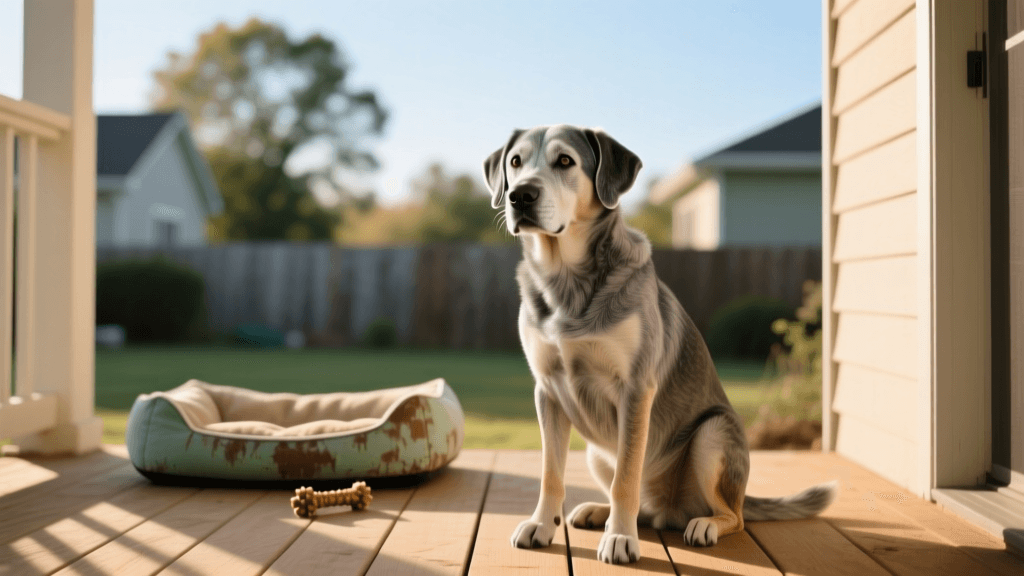
Aging is an inevitable biological process, but profound cognitive decline is not a mandatory consequence of seniority. As a veterinary behaviorist, I frequently evaluate senior dogs whose owners dismiss profound neurological and behavioral shifts as 'just getting old.' In reality, many of these dogs are suffering from Canine Cognitive Dysfunction (CCD), a progressive neurodegenerative disease closely analogous to Alzheimer's disease in humans. CCD affects an estimated 14% to 35% of dogs over the age of 11, yet it remains vastly underdiagnosed.
From an expert behavioral analysis perspective, CCD is not merely a loss of memory; it is a fundamental alteration in how a dog processes sensory input, regulates sleep-wake cycles, and interacts with its environment. Early detection and targeted behavioral interventions can significantly slow the progression of symptoms and improve the quality of life for both the dog and the owner. According to the ASPCA, recognizing the subtle early markers of Cognitive Dysfunction Syndrome (CDS) is critical for implementing effective management protocols before severe anxiety and disorientation take root.
The DISHA Assessment: Spotting the Behavioral Shifts
Veterinary behaviorists utilize the DISHA acronym to categorize and evaluate the clinical signs of CCD. This framework helps differentiate normal age-related physical decline (like osteoarthritis or sensory loss) from true neurological cognitive impairment.
- Disorientation: Wandering aimlessly, getting stuck in corners, or failing to recognize familiar rooms and family members.
- Interactions: Altered social behavior, including increased irritability, clinginess, or a sudden lack of interest in greeting owners.
- Sleep-Wake Cycle Changes: Pacing or vocalizing at night while sleeping excessively during the day (sundowning).
- House Soiling: Loss of previously established housetraining, often without any apparent medical cause like a UTI.
- Activity Level Changes: Repetitive behaviors (licking, pacing) or a marked decrease in purposeful activity and exploration.
Comparative Analysis: Normal Aging vs. CCD
Owners often struggle to distinguish between normal senior slowing and pathological cognitive decline. The table below outlines the key behavioral differentials we analyze in clinical settings.
| Behavioral Domain | Normal Senior Aging | Canine Cognitive Dysfunction (CCD) |
|---|---|---|
| Spatial Awareness | Slower to navigate stairs due to joint stiffness. | Stares blankly at walls; gets trapped behind furniture. |
| Social Interaction | Less playful; prefers gentle, familiar affection. | Fails to recognize owners; exhibits uncharacteristic aggression or fear. |
| Sleep-Wake Cycle | Sleeps more overall; wakes easily for meals/walks. | Severe nighttime restlessness; paces and vocalizes in the dark. |
| House Training | May need more frequent bathroom breaks due to weaker sphincter tone. | Soils indoors and shows no awareness or remorse; forgets door signals. |
Behavioral Phenotypes: Pacing, Vocalization, and Sundowning
Two of the most distressing symptoms for owners are nocturnal pacing and vocalization. From a behavioral standpoint, nighttime pacing is rarely a sign of excess energy; it is a self-soothing mechanism triggered by spatial anxiety and sensory deprivation. As vision and hearing decline, the dark environment becomes highly disorienting. The dog paces to generate proprioceptive feedback and attempts to 'find' its place in the home.
Vocalization (howling, whining, or repetitive barking at night) is often a manifestation of 'sundowning'—a phenomenon where confusion and anxiety peak as the sun sets. The American Kennel Club (AKC) notes that dogs with CCD experience severe disruptions in their circadian rhythms, leading to inverted sleep cycles that require active environmental management to correct.
Environmental Management: The 15-Minute Twilight Protocol
To manage sundowning and nighttime anxiety, I prescribe a structured environmental modification routine to my clients. This protocol must be initiated 45 minutes before the dog's typical onset of evening anxiety.
- Lighting Adjustment (Lux Control): Do not plunge the house into darkness. Use warm-toned, low-level amber nightlights (around 50-100 lux) along hallways and near the dog's bed. This reduces spatial disorientation without disrupting melatonin production.
- Acoustic Masking: Play continuous brown noise or specialized canine calming frequencies (around 432 Hz) at a volume of 50 decibels. This masks startling household noises that a confused senior dog might misinterpret as threats.
- Scent Anchoring: Place a worn t-shirt with the owner's scent directly in the dog's orthopedic bed. Olfactory processing remains intact longer than visual or auditory processing, providing a neurological 'anchor' of safety.
- Late-Night Enrichment: Provide a frozen Kong stuffed with low-fat Greek yogurt and a dash of chamomile tea 30 minutes before bed. The act of licking releases endorphins and promotes parasympathetic nervous system activation (rest and digest).
Clinical Nutrition and Nootropic Supplementation
Behavioral modification must be supported by neuro-nutrition. The aging canine brain suffers from oxidative stress and decreased glucose metabolism. We can bypass this by providing alternative energy sources and neuroprotective compounds.
Medium-Chain Triglycerides (MCTs)
The aging brain struggles to metabolize glucose. MCT oils, specifically those high in C8 (caprylic acid), are converted by the liver into ketones, which readily cross the blood-brain barrier to provide an alternative energy source for neurons. Dosage Protocol: Introduce slowly to avoid gastrointestinal upset. Start with 1/4 teaspoon per 15 pounds of body weight, gradually increasing to 1 teaspoon per 15 pounds daily. Products like Bulletproof Brain Octane C8 MCT Oil are highly recommended for their purity.
Phosphatidylserine and SAMe
Phosphatidylserine is a phospholipid critical for cellular membrane function in the brain. Clinical studies show it improves spatial learning and social interaction in dogs with CCD. Product Recommendation: Senilife or Vetz Petz Antioxidant. Additionally, S-Adenosylmethionine (SAMe) supports neurotransmitter synthesis and liver health. Nutramax Denamarin is the veterinary gold standard. For a 50-pound dog, the dosage is typically one 225mg tablet daily, administered on an empty stomach for maximum absorption.
Omega-3 Fatty Acids (EPA/DHA)
High doses of EPA and DHA reduce neuroinflammation. Look for triglyceride-form fish oils with a combined EPA/DHA concentration of at least 1000mg per pump. The American Veterinary Medical Association (AVMA) emphasizes that senior diets should be heavily fortified with antioxidants and Omega-3s to combat cellular aging.
Pharmacological Interventions and Cost Expectations
When environmental and nutritional interventions are insufficient, pharmacological support is necessary. The most common FDA-approved medication for CCD is Selegiline hydrochloride (brand name Anipryl). Selegiline is a monoamine oxidase-B (MAO-B) inhibitor that increases dopamine levels in the brain, improving sleep-wake cycles and reducing aimless pacing.
Cost and Administration: Selegiline is typically administered once daily in the morning. The cost ranges from $40 to $120 per month, depending on the dog's weight and whether a compounded generic version is used. It is crucial to note that Selegiline cannot be combined with SSRIs, tricyclic antidepressants, or certain flea/tick preventatives (like amitraz) due to the risk of serotonin syndrome.
Expert Takeaway: Medication is not a cure; it is a window of opportunity. Selegiline stabilizes the dog's neurochemistry enough for behavioral enrichment and environmental modifications to take effect. Always pair pharmacological interventions with daily, low-impact sensory enrichment.
When to Consult a Veterinary Behaviorist
If your dog exhibits sudden, severe aggression, extreme panic attacks, or stops eating due to confusion, consult a board-certified veterinary behaviorist (DACVB) immediately. General practice veterinarians are excellent at ruling out medical mimics of CCD (such as hypertension, brain tumors, or severe hepatic encephalopathy), but a behaviorist can design a bespoke, multi-modal treatment plan.
Managing Canine Cognitive Dysfunction requires patience, empathy, and a scientific approach to behavior. By understanding the neurological roots of your dog's actions, you can transform their twilight years from a period of confusion into a time of comfort, dignity, and sustained connection.
tom-renshaw
All our authors care for dogs every day — read more of their work on the authors page.