German Shepherd vs Golden Retriever: Joint Health Care
Compare joint health risks between German Shepherds and Golden Retrievers. Learn about hip dysplasia, screening costs, and the best joint supplements.

Introduction to Large Breed Orthopedic Health
When selecting a large breed dog, prospective owners often focus heavily on temperament, size, and coat type. However, from a veterinary and holistic wellness perspective, evaluating a breed's genetic predisposition to orthopedic conditions is paramount. Large breeds are notoriously susceptible to joint degradation, which can severely impact their quality of life, mobility, and overall lifespan. Two of the most popular large breeds in the world, the German Shepherd Dog (GSD) and the Golden Retriever, both carry significant genetic risks for orthopedic diseases, though their specific anatomical vulnerabilities and secondary health complications differ.
Choosing between these two beloved breeds requires a deep understanding of their unique joint health profiles, the financial commitment required for preventive screening, and the daily management protocols necessary to keep them mobile. By comparing the orthopedic realities of the German Shepherd and the Golden Retriever, you can make an informed, health-centric decision that aligns with your lifestyle, budget, and capacity for long-term veterinary care.
The German Shepherd Joint and Spine Profile
The German Shepherd is a highly active, agile working dog, but its distinct physical conformation—specifically the sloping back and angulated hindquarters—makes it uniquely vulnerable to a spectrum of orthopedic and neurological issues. According to the Orthopedic Foundation for Animals (OFA), German Shepherds consistently rank poorly regarding hip dysplasia prevalence, with approximately 19% to 20% of evaluated dogs showing some degree of dysplasia.
Beyond the hips, GSDs are highly prone to elbow dysplasia and a debilitating condition known as lumbosacral stenosis (cauda equina syndrome), which involves the narrowing of the spinal canal in the lower back. This can lead to severe pain, hind limb weakness, and incontinence. Furthermore, the breed is at a higher risk for degenerative myelopathy (DM), a progressive, incurable disease of the spinal cord that mimics the symptoms of severe hip dysplasia but is entirely neurological. Because of these compounding spinal and joint risks, GSD owners must be hyper-vigilant about maintaining a lean body condition score (BCS of 4/9) to minimize mechanical stress on the hindquarters and spine.
The Golden Retriever Joint and Mobility Profile
Golden Retrievers possess a stockier, more level topline compared to the GSD, but they are equally burdened by genetic orthopedic flaws. The OFA reports that Golden Retrievers also see hip dysplasia rates hovering around 20%. However, Goldens are particularly notorious for elbow dysplasia and a high susceptibility to Cranial Cruciate Ligament (CCL) tears—the canine equivalent of a human ACL tear. The Merck Veterinary Manual notes that the combination of rapid puppy growth, genetic laxity in the joint capsule, and a heavy, muscular front end makes the Golden's elbows highly susceptible to fragmented coronoid process (FCP) and ununited anconeal process (UAP).
Additionally, when discussing Golden Retrievers, joint health cannot be entirely separated from their tragic predisposition to cancer, particularly osteosarcoma (bone cancer), which frequently occurs near the major joints of the long bones. While osteosarcoma is not a developmental joint disease like dysplasia, it severely compromises mobility and requires aggressive surgical and oncological interventions. Therefore, a Golden Retriever's joint care plan must be integrated with rigorous, bi-annual senior wellness screenings to monitor both mechanical wear and malignant cellular changes.
Comparative Health Data and Financial Planning
Understanding the financial and medical commitments associated with each breed is crucial for responsible ownership. Below is a comparative breakdown of their orthopedic risk profiles and the estimated lifetime costs for preventive and reactive joint care.
| Health Feature | German Shepherd Dog | Golden Retriever |
|---|---|---|
| OFA Hip Dysplasia Prevalence | ~19.8% (Moderate/High Risk) | ~20.5% (Moderate/High Risk) |
| Elbow Dysplasia Risk | Moderate | High |
| Primary Spinal/Neurological Risk | Degenerative Myelopathy, Lumbosacral Stenosis | Wobbler Syndrome (Cervical Spondylomyelopathy) |
| Ligament Tear Risk (CCL) | Moderate | High |
| Initial Screening Cost (PennHIP/OFA) | $300 - $500 | $300 - $500 |
| Lifetime Joint Supplement Cost | $2,500 - $4,500 | $2,500 - $4,500 |
| Orthopedic Bed Necessity | Critical (Spine & Hips) | High (Elbows & Hips) |
Actionable Preventive Care Protocol by Life Stage
Whether you choose a GSD or a Golden, implementing a structured, age-specific orthopedic care protocol is essential. The American Kennel Club (AKC) emphasizes that early intervention and environmental management are the cornerstones of delaying the onset of osteoarthritis.
1. Puppyhood (8 Weeks to 18 Months)
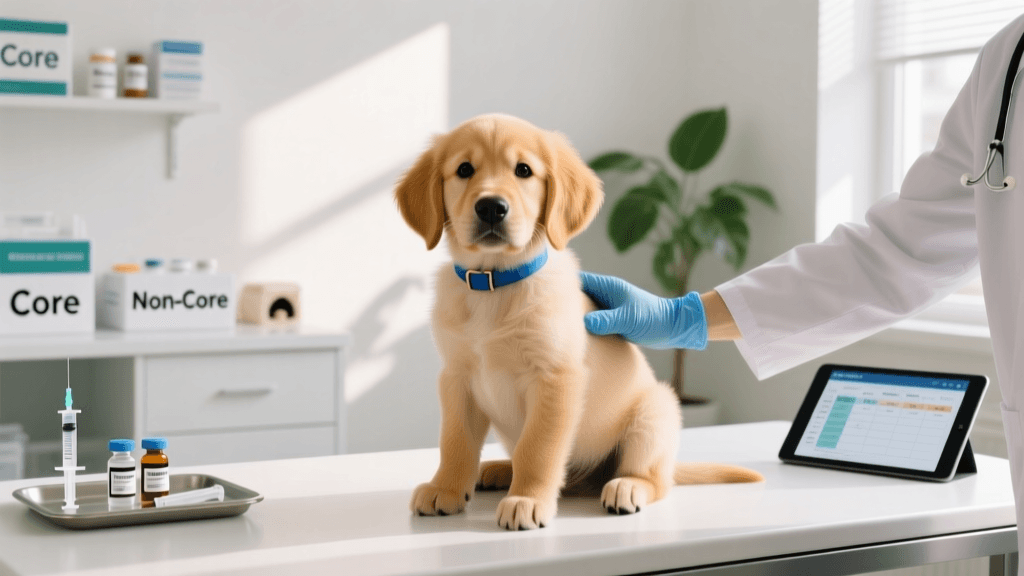
Screening: Do not wait until your dog is two years old to assess their joints. Schedule a PennHIP evaluation at 16 weeks of age. Unlike traditional OFA x-rays, PennHIP measures joint laxity using a distraction index, providing a highly accurate prediction of future osteoarthritis. Expect to pay between $300 and $500 for this procedure.
Nutrition: Feed a large-breed specific puppy diet (e.g., Purina Pro Plan Large Breed Puppy) that restricts calcium and phosphorus to prevent rapid bone growth. Keep your puppy lean; you should be able to easily feel their ribs without pressing hard.
Exercise: Enforce the '5-minute rule' for structured walks (5 minutes of walking per month of age, twice a day). Avoid high-impact activities like frisbee, agility jumping, or running on concrete until the growth plates close at 18 to 24 months.
2. Adulthood (18 Months to 7 Years)
Supplementation: Begin a high-quality joint supplement containing Glucosamine, Chondroitin, and ASU (Avocado/Soybean Unsaponifiables). Nutramax Dasuquin Advanced (approx. $65 for 84 soft chews) is a veterinary gold standard that includes EPA/DHA and Boswellia serrata extract to actively suppress joint inflammation.
Conditioning: Engage in low-impact core strengthening exercises. Swimming and underwater treadmill sessions ($50-$80 per session) are phenomenal for building the muscle mass required to support dysplastic hips without grinding the cartilage.
3. Senior Years (7+ Years)
Environment: Invest in a high-density orthopedic bed. The Big Barker 7-inch Orthopedic Dog Bed (approx. $280) is clinically shown to reduce joint pain and improve mobility in large breeds. Place interlocking foam mats or non-slip area rugs over hardwood floors to prevent catastrophic CCL tears caused by slipping.
Pain Management: Work with your veterinarian to introduce Solensia (frunevetmab), a monthly monoclonal antibody injection specifically designed to neutralize Nerve Growth Factor (NGF) and drastically reduce osteoarthritis pain in dogs.
Dietary Interventions for Joint Health
Beyond daily supplements, integrating therapeutic diets can alter the biochemical environment of a dysplastic joint. Diets fortified with high levels of Omega-3 fatty acids (specifically EPA) help down-regulate the inflammatory enzymes that degrade cartilage. Prescription options like Hill's Prescription Diet j/d Joint Care or Royal Canin Veterinary Diet Mobility Support contain clinically proven levels of EPA and antioxidants. These diets typically cost between $80 and $110 for a 25lb bag, but they often negate the need for daily NSAID medications, thereby protecting your dog's liver and kidneys from long-term pharmaceutical side effects.
Conclusion
Selecting between a German Shepherd and a Golden Retriever from a health perspective means choosing between two different orthopedic management strategies. The German Shepherd requires intense focus on spinal health, hindquarter muscle conditioning, and neurological monitoring. The Golden Retriever demands rigorous elbow screening, weight management to protect the cranial cruciate ligaments, and comprehensive cancer screenings in their senior years. Both breeds require a significant financial and temporal investment in preventive care, including early PennHIP screening, premium joint supplements like Dasuquin, and environmental modifications. By understanding these breed-specific vulnerabilities and committing to a proactive, science-backed wellness protocol, you can ensure your large breed companion enjoys a vibrant, active, and pain-free life.
priya-sutaria
All our authors care for dogs every day — read more of their work on the authors page.