Decoding Canine Calming Signals for Leash Reactivity Training 2026
Decode canine calming signals in 2026 to transform leash reactivity. Discover actionable body language cues and expert desensitization techniques for your dog.
The Paradigm Shift in 2026 Canine Behavioral Science
Leash reactivity remains one of the most common challenges for dog owners in 2026. However, modern behavioral science has fundamentally shifted away from outdated dominance-based theories toward a deeper, more empathetic understanding of canine communication. Today, certified behaviorists recognize that a dog lunging or barking at the end of a leash is rarely displaying unprovoked aggression; rather, they are exhibiting a profound communication breakdown. By learning to decode canine calming signals, handlers can intervene before a dog reaches their emotional threshold, transforming stressful neighborhood walks into powerful opportunities for trust-building and emotional regulation.
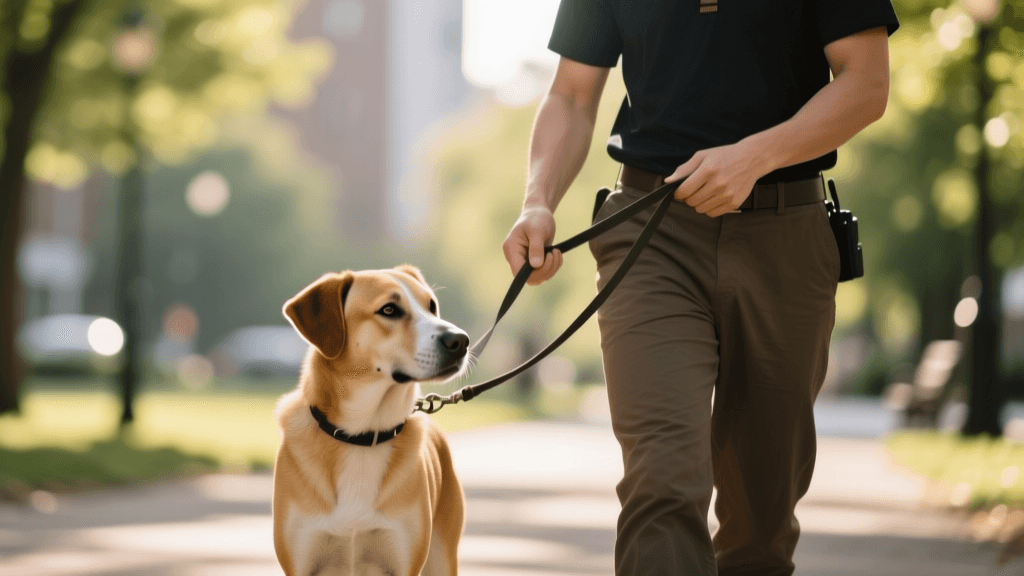
Understanding these signals requires a shift in perspective. We must stop viewing the leash as a steering wheel and start treating it as a telegraph wire, transmitting subtle emotional data between human and dog. When we miss these early warnings, we force our dogs to escalate to barking, lunging, or snapping just to be heard.
Identifying the Top 5 Canine Calming Signals
Calming signals are subtle body language cues dogs use to self-soothe, de-escalate tension, and communicate peaceful intentions to their environment. According to the Humane Society of the United States, recognizing these subtle stress indicators is the critical first step in preventing reactive outbursts. When your dog displays these signals on a walk, they are telling you that they are feeling overwhelmed and need more spatial or emotional distance from a trigger.
| Calming Signal | Physical Description | Meaning on the Leash | Handler Action Required |
|---|---|---|---|
| Lip Licking / Tongue Flicks | Rapid, short flicks of the tongue over the nose or lips. | Early indicator of anxiety or confusion regarding a trigger. | Increase distance immediately; offer a high-value treat to reset focus. |
| Yawning | Exaggerated, wide yawns when not tired or waking up. | Attempting to self-soothe and lower their own heart rate. | Pause the walk; allow the dog to sniff the ground to decompress. |
| Turning Away / Head Turns | Dog turns their head to the side or presents their side to a trigger. | Communicating peaceful intentions; asking the trigger to back off. | Do not force forward movement; step laterally away from the trigger. |
| Ground Sniffing | Sudden, intense, and focused sniffing of a bare patch of dirt or grass. | Displacement behavior to avoid direct eye contact with an approaching dog. | Give slack in the leash; allow the sniffing as a coping mechanism. |
| Curving the Path | Walking in an arc rather than a straight line toward a person or dog. | Polite canine greeting; avoiding the confrontation of a head-on approach. | Mirror the curve; never pull the dog in a straight line toward a trigger. |
The Human Element: How Your Body Language Affects the Leash
As the American Kennel Club frequently highlights in its behavioral resources, canine communication is a two-way street. Dogs are masters of reading human biomechanics. In 2026, force-free trainers emphasize that human tension directly translates into leash tension, which triggers a dog's opposition reflex and heightens their arousal levels.
To support your dog's calming signals, you must also adopt a calming physical presence:
- Soften Your Posture: Avoid squaring your shoulders directly toward an approaching trigger. Turn your body slightly sideways to present a less confrontational silhouette.
- Remember to Breathe: Dogs can hear changes in your breathing patterns. Exhale slowly and audibly when a trigger appears to signal to your dog that there is no immediate danger.
- Loosen the Grip: A tight leash acts as an amplifier for anxiety. Keep a 'J-curve' of slack in the leash whenever possible, only gathering it up safely if an immediate environmental hazard requires it.
- Avoid Direct Staring: Staring at an approaching dog or person transfers your hyper-fixation to your dog, validating their suspicion that the trigger is indeed a threat.
2026 Equipment Standards for Reactive Dogs
Proper equipment is non-negotiable when implementing a communication-based training protocol. The days of using corrective collars that suppress warning signals are long gone, as modern veterinary behaviorists agree that suppressing a growl or a lip lick only leads to unpredictable biting incidents down the line.
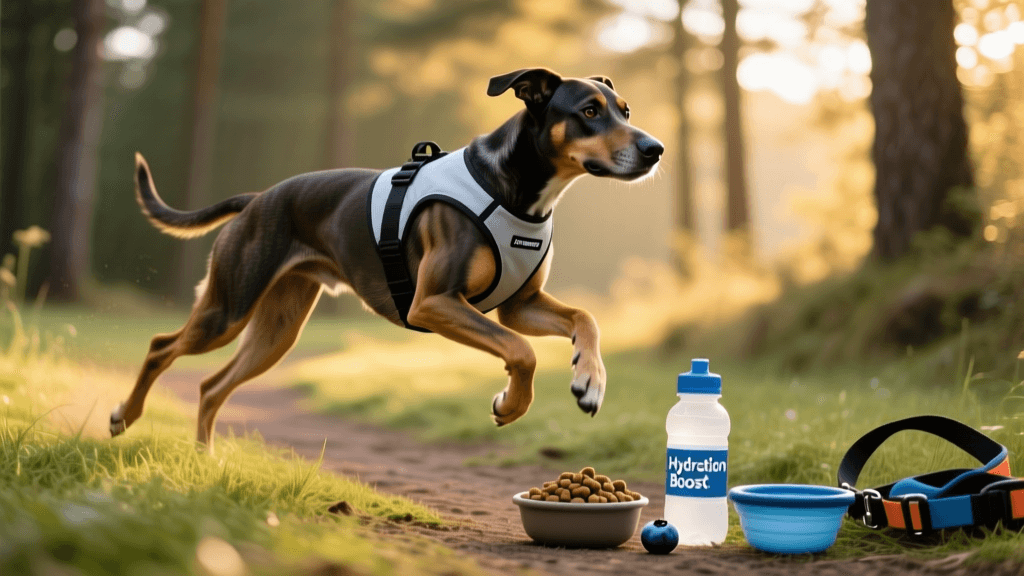
The Haqihana Y-Front Harness: This remains a top recommendation in 2026 for reactive dogs. The anatomical Y-shape completely frees the scapula (shoulder blade), allowing for natural biomechanical movement. More importantly, it prevents the choking sensation that triggers panic in dogs when they reach the end of the leash. Attaching your leash to the front chest ring gently redirects forward momentum without causing physical discomfort.
Mendota Pets BioThane Long Line (15-Foot): A standard 4-foot leash offers zero room for a dog to exhibit calming signals like curving or ground sniffing. A 15-foot BioThane long line provides the necessary spatial buffer. BioThane is the 2026 industry standard because it is waterproof, dirt-proof, and doesn't burn the handler's hands if the dog suddenly pulls.
Doggone Good Trainer's Treat Pouch: Speed of reinforcement is critical. Wearing a high-capacity pouch on your hip allows you to deliver treats within 0.5 seconds of a desired behavior, cementing the neural pathway before the dog can revert to a reactive state.
The Engage-Disengage Protocol: A Step-by-Step Guide
Once you can read your dog's calming signals and are equipped with the right gear, you can begin the Engage-Disengage game. This desensitization protocol rewires the dog's emotional response to triggers, moving them from fear to anticipation of a reward.
Step 1: Map the Sub-Threshold Zone
Find the distance at which your dog notices a trigger (like another dog) but does not react with barking or lunging. They might offer a calming signal like a lip lick or an ear flick, but they can still take treats gently. This is your baseline distance, often 50 to 100 feet in urban environments.
Step 2: The Engage (Mark the Look)
The moment your dog looks at the trigger, use a marker word like 'Yes!' or click a clicker. You are marking the exact moment they process the trigger without reacting. This interrupts the escalation ladder before the dog feels the need to lunge.
Step 3: The Disengage (Reward the Turn)
After your marker, your dog should naturally turn their head back toward you to receive their reward. Deliver a high-value treat (such as freeze-dried beef liver or Zuke's Mini Naturals) directly at your hip seam. This encourages the dog to voluntarily disengage from the trigger and check in with you.
Step 4: Repetition and Distance Reduction
Repeat this process 10 to 15 times per session. Over the course of several weeks, as your dog begins to offer the disengage behavior before you even mark it, you can decrease the distance to the trigger by 5-foot increments. If your dog refuses a treat or offers a hard stare, you have crossed the threshold and must immediately increase your distance.
Common Mistakes That Sabotage Communication
Even well-meaning owners can accidentally override their dog's calming signals. The most frequent mistake in 2026 remains the 'extinction burst' error. When a dog offers a subtle signal like turning away, and the owner ignores it and pulls them forward, the dog learns that subtle communication fails. They will inevitably skip the subtle signals in the future and jump straight to barking and lunging, which the owner finally responds to by pulling them away. By doing so, we accidentally reinforce the explosive behavior because it was the only thing that successfully made the scary trigger go away.
Another common error is 'poisoning the cue.' If you repeatedly ask your dog to 'sit' or 'look at me' when they are terrified of an approaching skateboarder, you associate those obedience cues with extreme fear. Instead of demanding obedience, prioritize emotional regulation by simply increasing distance and allowing your dog to decompress through sniffing.
When to Call a Professional
If your dog's reactivity involves redirected aggression (biting the handler when frustrated), or if you feel physically unsafe managing them on walks, it is time to seek professional help. The International Association of Animal Behavior Consultants strongly recommends working with a certified professional who utilizes force-free, fear-free methodologies. In 2026, the gold standard for behavior modification relies entirely on positive reinforcement, environmental management, and reading canine body language, ensuring your dog feels profoundly safe while learning new coping skills. By honoring your dog's calming signals, you build a foundation of mutual respect that turns a reactive dog into a confident, communicative companion.
robin-maitland
All our authors care for dogs every day — read more of their work on the authors page.