Canicross Competition Prep 2026: Harness Fitting & Interval Training
Master canicross competition prep in 2026 with expert interval training routines and proper harness fitting tips for peak canine athletic performance.
Introduction to the 2026 Canicross Season
Canicross, the dynamic sport of cross-country running with your dog, has seen explosive growth over the last few years. As we enter the 2026 competitive season, the margins between a podium finish and the middle of the pack are smaller than ever. Success in modern canicross is no longer just about having a fast dog; it requires a meticulous blend of canine biomechanics, advanced interval training protocols, and precise nutritional timing. Whether you are preparing for a local 5K trail race or aiming to qualify for the International Federation of Sleddog Sports (IFSS) World Championships, understanding the science behind your dog's athletic output is critical. This comprehensive guide will walk you through the exact harness fitting techniques, biometric tracking strategies, and interval training schedules you need to peak your canine athlete in 2026.
The Biomechanics of Harness Fitting
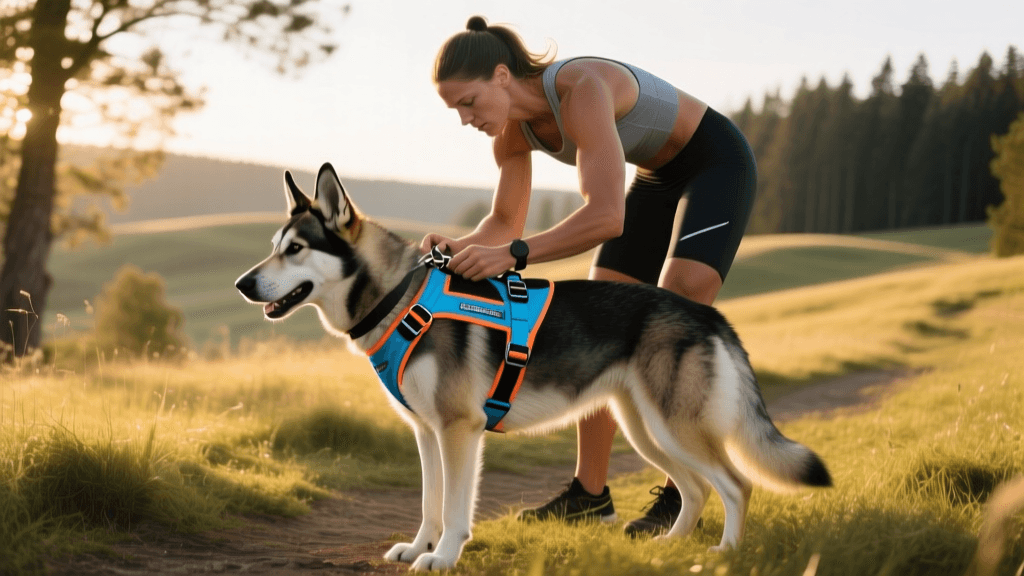
The most common point of failure in canicross is an improperly fitted harness. A poorly fitted rig restricts shoulder extension, limits lung capacity, and causes chafing that can sideline your dog for weeks. In 2026, the two dominant harness styles for competitive pulling remain the X-Back and the Freemotion (or half-harness) designs.
X-Back vs. Freemotion Harnesses
The traditional X-Back harness is ideal for dogs with a natural, deep pulling gait and a long stride. It distributes force evenly across the chest and back, terminating at the base of the tail. However, if your dog has a shorter back or tends to pull with a higher head carriage, an X-Back can ride up and restrict the trachea. The Freemotion harness, which features a padded neck opening and a lower back attachment point, is engineered to keep the dog's spine in a neutral alignment, allowing for maximum lung expansion during high-intensity sprints.
The 2026 Fitting Protocol
- The Neck Check: You must be able to slide two fingers flat against your dog's neck under the harness. Any tighter, and you risk tracheal collapse during high-tension pulls.
- The Shoulder Clearance: The front straps must sit above the scapula. Run your hand under the armpit area; there should be no fabric rubbing against the elbow joint during a full forward stride.
- The Tail Base Anchor: For X-Back harnesses, the rear loops should rest gently at the base of the tail without pulling into the fur when the line is slack.
Always conduct a dynamic fitting. Have your dog pull against a fixed object or a heavy tire to observe how the harness shifts under actual load. Static fittings in your living room will not reveal the biomechanical flaws that appear on the trail.
Biometric Tracking and Heat Management
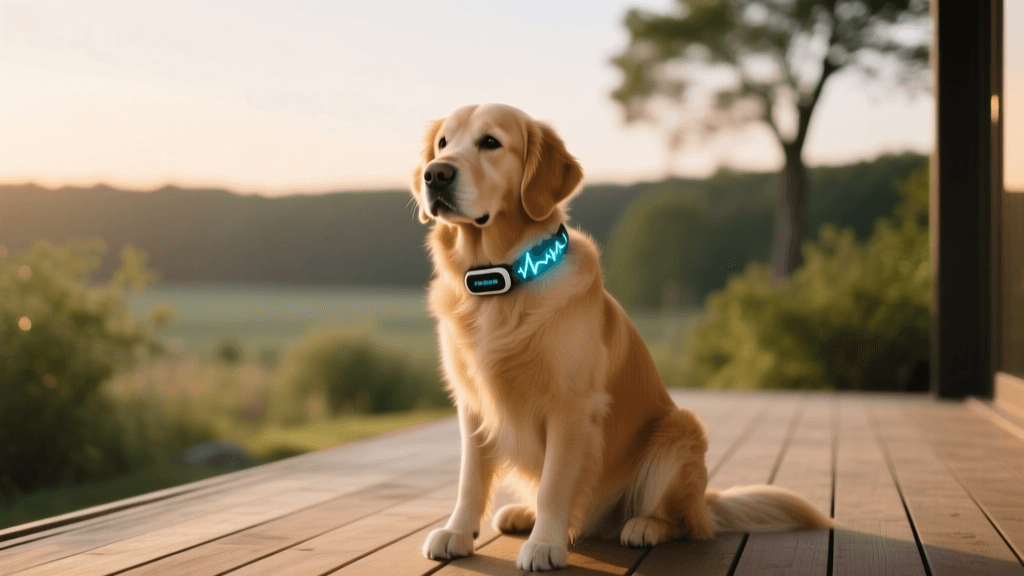
The 2026 season has brought remarkable advancements in canine wearable technology. Modern biometric smart collars now offer real-time core temperature estimations and advanced heart rate variability (HRV) tracking. Monitoring your dog's recovery metrics via HRV is essential for preventing overtraining syndrome. If your dog's resting HRV drops by more than 15% from their baseline over a three-day period, it is a clear physiological indicator to swap a high-intensity interval session for an active recovery walk. Furthermore, with global temperatures trending warmer, utilizing ingestible telemetry pills or advanced thermal-sensing collar attachments during summer training camps is now a standard safety practice recommended by veterinary sports medicine professionals to prevent exertional heat stroke.
Command Vocabulary and Line Tension
A flawless harness and peak cardiovascular fitness mean nothing if your dog does not understand directional commands or fails to maintain line tension. In canicross, a slack line is wasted energy and a tripping hazard. You must train your dog to maintain a 'tight line' at all times.
- Line Out: The foundational command where the dog moves forward until the bungee leash is taut and holds the position.
- Hike / Let's Go: The release command to begin pulling forward.
- Gee (Right) and Haw (Left):strong> Directional trail commands. Practice these at every fork in the trail, even during casual walks, to build muscle memory.
- On By / Leave It: Crucial for passing other runners, wildlife, or discarded food on the trail without breaking stride.
- Easy: A command to slow the pace and reduce tension, useful for technical descents or approaching water crossings.
The 8-Week Interval Training Protocol
To prepare for a mid-distance canicross race (typically 5K to 10K), you must transition your dog from a base-building aerobic phase to high-intensity anaerobic threshold work. The following Fartlek and hill-repeat protocol is designed for a healthy, adult dog (over 18 months old) who has already completed a veterinary sports screening. For authoritative guidelines on safe canine conditioning and sports participation, always consult the American Kennel Club (AKC) canine sports resources and ensure your dog is cleared for high-impact activities.
| Week | Training Focus | Workout Type | Distance / Time | Intensity |
|---|---|---|---|---|
| 1 | Base Aerobic | Steady State Trail Run | 3 miles / 25 mins | Zone 2 (Conversational) |
| 2 | Base Aerobic | Steady State Trail Run | 4 miles / 35 mins | Zone 2 |
| 3 | Threshold Intro | Fartlek (1 min hard / 2 min easy) | 3 miles total | Zone 3-4 (Pulling hard) |
| 4 | Power & Strength | Steep Hill Repeats (6x 100m) | 2 miles total | Zone 4-5 (Max pull) |
| 5 | Threshold Peak | Fartlek (2 min hard / 1 min easy) | 4 miles total | Zone 4 (Sustained pull) |
| 6 | Race Simulation | Time Trial on Course Terrain | 5K Distance | Race Pace |
| 7 | Taper & Speed | Short Sprints (4x 200m) | 2 miles total | Zone 5 (Explosive) |
| 8 | Active Recovery | Light Sniffari / Free Run | 1-2 miles | Zone 1 (Restoration) |
Executing the Fartlek Sessions
Fartlek, meaning 'speed play', is highly effective for canicross because it mimics the natural undulating pace of a trail race. During the 'hard' intervals, use your 'Hike' command and encourage maximum forward drive. Your dog should be pulling with enough force that you feel a significant transfer of momentum through your hip belt. During the 'easy' intervals, issue the 'Easy' or 'Trot' command, allowing the bungee line to go slightly slack while your dog maintains a light jog to clear lactic acid. Never allow the dog to stop completely or sniff during the easy intervals, as this breaks the psychological drive of the pull.
Competition Day Nutrition and Hydration
Glycogen loading and hydration strategies in 2026 have moved far beyond simply offering a bowl of water before a race. Canine athletes require precise metabolic fueling to sustain high-output pulling over varied terrain.
Pre-Race Fueling
Feed your dog a high-fat, moderate-protein meal 10 to 12 hours before the race start. This allows for complete gastric emptying, preventing the dreaded 'bloat' (Gastric Dilatation-Volvulus) while ensuring that fatty acids are available in the bloodstream for sustained energy. On the morning of the race, offer a 'meatball'—a small, easily digestible mixture of soaked kibble, warm water, and a spoonful of salmon oil—exactly 90 minutes before your start time. This provides a quick spike of blood glucose without overloading the stomach.
Trail Hydration and Electrolytes
Dogs cool themselves primarily through panting and vasodilation in their paw pads, making them highly susceptible to dehydration. At every water checkpoint, or immediately post-race, offer a canine-specific electrolyte solution. Avoid human sports drinks, as the high sugar content and artificial sweeteners can cause severe gastrointestinal distress. Look for 2026-formulated canine recovery pastes that contain sodium, potassium, and branched-chain amino acids (BCAAs) to accelerate muscle repair. Always review the latest veterinary safety protocols regarding exertion and hydration via organizations like the World Small Animal Veterinary Association (WSAVA) to ensure your protocols align with current medical consensus.
Pre-Race Veterinary Checks and Rule Compliance
Before stepping onto the starting line of any sanctioned event, your dog must pass a veterinary check. Officials will examine your dog's gait, check for signs of dehydration (via skin tenting and gum moisture), and inspect their paws for abrasions. Furthermore, familiarize yourself with the latest equipment regulations. The International Federation of Sleddog Sports (IFSS) rules strictly dictate the required length and elasticity of bungee lines, as well as the mandatory use of hip belts for the runner and pulling harnesses for the dog. Using a standard walking collar or a non-elastic leash will result in immediate disqualification and poses a severe injury risk to your dog's cervical spine.
Conclusion: The Path to the Podium
Excelling in canicross in 2026 requires a holistic approach that respects your dog's physiological limits while systematically pushing their athletic ceiling. By investing time in a biomechanically sound harness fit, leveraging modern biometric data to prevent overtraining, and executing a structured interval program, you and your canine partner will arrive at the starting line primed for success. Remember that the ultimate goal of any dog sport is to deepen the bond between human and hound. Celebrate the miles, respect the trail, and enjoy the unparalleled thrill of flying down a dirt path in perfect synchronization with your best friend.
hannah-wickes
All our authors care for dogs every day — read more of their work on the authors page.