Decoding Canine Stress Signals: 2026 Biometric Collars
Learn to decode canine stress signals in 2026 using biometric collars. Discover HRV monitoring, calming cues, and actionable tips for a happier dog.
The Evolution of Canine Communication in 2026
For decades, dog owners and trainers have relied primarily on visual observation to understand their canine companions. We watch for tail wags, ear positions, and vocalizations to gauge how our dogs are feeling. However, as we navigate through 2026, the intersection of veterinary behavioral science and wearable technology has fundamentally transformed how we interpret canine communication. Today, understanding your dog is no longer just about reading physical body language; it is about combining those visual cues with real-time biometric data to uncover the hidden emotional states of our pets.
Canine stress signals, often referred to as 'calming signals,' are subtle behaviors dogs use to self-soothe, de-escalate tension, and communicate discomfort. While pioneers in canine behavior have long taught us to look for lip licking, yawning, and averting gaze, these signals can be easily missed in the chaos of daily life. Furthermore, some dogs are remarkably stoic, masking their internal anxiety until it reaches a boiling point. This is where the 2026 generation of biometric smart collars comes into play, offering an unprecedented window into your dog's autonomic nervous system.
The Hidden Language: Recognizing Calming Signals
Before we can leverage modern technology, we must ground ourselves in the foundational science of dog behavior. According to the RSPCA's guide on canine body language, dogs use a complex array of micro-expressions and postural shifts to communicate their emotional state to both humans and other animals. These signals are not always indicative of severe fear; often, they are polite requests for space or indicators of mild cognitive overload.
When a dog enters a new environment, meets a boisterous puppy, or hears a sudden noise, they may exhibit appeasement behaviors. These are evolutionary tools designed to prevent conflict. Recognizing these early warning signs is critical for preventing chronic stress and behavioral fallout. By pairing your visual observations with the physiological data provided by modern wearables, you can create a comprehensive profile of your dog's emotional triggers.
Common Canine Stress Signals and Biometric Correlations
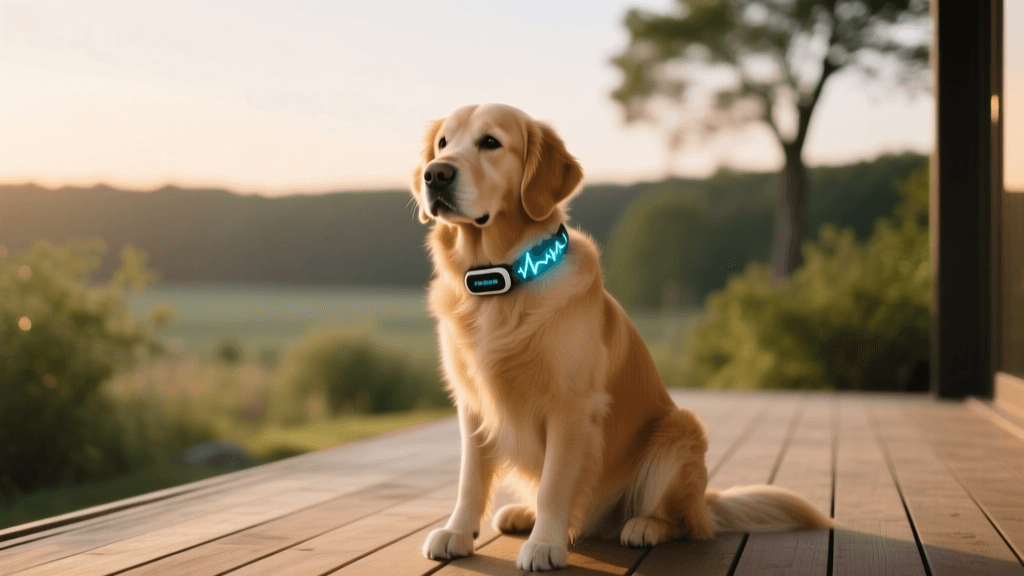
In 2026, advanced smart collars utilize optical heart rate sensors and accelerometers to track Heart Rate Variability (HRV). HRV is the measure of the variation in time between each heartbeat, controlled by the autonomic nervous system. A high HRV indicates a relaxed, adaptable dog (parasympathetic dominance), while a low HRV indicates stress, fatigue, or anxiety (sympathetic dominance). Below is a breakdown of how visual signals correlate with the biometric data captured by modern wearables.
| Visual Signal | Traditional Meaning | 2026 Biometric Correlation (HRV) |
|---|---|---|
| Yawning (out of context) | Stress, anticipation, or appeasement | Sudden, short-term drop in HRV; spike in resting heart rate |
| Lip Licking / Nose Flicks | Mild discomfort or cognitive confusion | Gradual HRV decline during training sessions |
| Averting Gaze / Turning Away | Request to de-escalate social pressure | Elevated heart rate despite low physical movement (accelerometer) |
| Sniffing the Ground Suddenly | Displacement behavior to avoid interaction | Stabilizing HRV as the dog self-soothes through olfactory engagement |
| Shaking Off (when dry) | Resetting the nervous system after tension | Rapid recovery phase; HRV begins to climb back to baseline |
The 2026 Biometric Revolution: How Wearables Decode Stress
The smart collars of 2026 are far removed from the basic GPS trackers of the past decade. Today's devices are equipped with veterinary-grade photoplethysmography (PPG) sensors that can read a dog's pulse through their fur, combined with AI-driven algorithms that differentiate between physical exertion and emotional distress. This distinction is vital. A high heart rate during a game of fetch is healthy and expected. A high heart rate while the dog is lying under the dining table during a dinner party is a massive red flag for anxiety.
The American Veterinary Medical Association (AVMA) frequently highlights the importance of proactive health monitoring, and modern behavioral health is a key component of overall wellness. By monitoring your dog's baseline HRV over a two-week period, the companion apps for these 2026 collars establish a unique 'emotional fingerprint' for your pet. When your dog encounters a trigger—such as a delivery driver or a loud truck—the app sends a gentle haptic alert to your smartwatch, notifying you that your dog's stress metrics have crossed a predefined threshold, even if they appear physically calm.
Key Features of 2026 Biometric Collars for Behavior Monitoring
- Contextual AI Analysis: Cross-references GPS location, accelerometer data, and heart rate to determine if a physiological spike is due to exercise or anxiety.
- Resting Heart Rate (RHR) Trends: Tracks long-term RHR elevations, which can indicate chronic environmental stress or underlying pain before visual symptoms appear.
- Decompression Metrics: Measures how quickly your dog's HRV returns to baseline after a stressful event, providing a quantifiable measure of their resilience and recovery.
- Multi-Dog Syncing: Allows owners to view the simultaneous stress metrics of multiple dogs in the same household to identify hidden social friction.
Actionable Protocols: Responding to Your Dog's Signals
Data is only as valuable as the action it inspires. Once you have identified your dog's specific stress signals and confirmed them via biometric feedback, you must implement protocols to help them cope. The American Kennel Club's training and behavior resources emphasize the necessity of advocacy and environmental management in building a confident dog.
1. The Decompression 'Sniffari' Protocol
When your collar's app indicates a sustained drop in HRV following a stressful event (like a vet visit or a loud storm), engage in a decompression walk. Use a long line (15 to 30 feet) in a quiet, natural area. Allow the dog to dictate the pace and direction. Sniffing engages the parasympathetic nervous system, actively lowering the heart rate and increasing HRV. Biometric data from 2026 studies shows that 20 minutes of uninterrupted sniffing can reduce a dog's circulating cortisol levels more effectively than 45 minutes of structured physical exercise.
2. Environmental Modification and Visual Barriers
If your dog's biometric data shows chronic stress spikes while looking out the front window, you must manage the environment. Apply frosted window film to the lower half of the glass to block the view of passing dogs and pedestrians. Provide a 'safe zone' in a quiet interior room, equipped with a white noise machine and a familiar, scent-rich bed. Monitor the collar's data over the next seven days to verify that the environmental change has successfully lowered the dog's daytime resting heart rate.
3. Adjusting Training Thresholds
During training sessions, watch for lip licking and ear pinning. If you see these signals, check your app. If the HRV is dropping, your dog is approaching their cognitive or emotional threshold. Stop the session immediately, ask for a simple, high-reward behavior they know well (like a hand target), and end on a positive note. Pushing a dog past their threshold while their biometrics indicate stress will only deepen their anxiety and degrade their trust in you.
Managing Multi-Dog Households Through Data
One of the most profound applications of 2026 biometric technology is in multi-dog households. Human eyes cannot easily monitor the subtle, micro-aggressions or resource-guarding tensions that occur between two dogs sharing a space. Often, one dog may be experiencing chronic stress due to spatial pressure from a more confident housemate, yet they show no outward aggression.
By outfitting both dogs with biometric collars, owners can utilize the 'Multi-Dog Syncing' feature to view overlapping stress graphs. You might discover that Dog A's HRV plummets every time Dog B enters the kitchen, even if no growling or snapping occurs. This invisible tension is a ticking time bomb for behavioral issues. Armed with this data, you can implement strategic spatial management, such as feeding the dogs in separate rooms, using baby gates to create distinct resting zones, and ensuring both dogs receive individual, one-on-one enrichment time away from the social pressure of their housemate.
Conclusion: Bridging the Communication Gap
As we continue through 2026, the synergy between traditional canine behavioral observation and cutting-edge biometric wearables offers an incredible opportunity to deepen the human-animal bond. By learning to read the subtle calming signals your dog displays and validating those observations with real-time HRV and heart rate data, you transition from a passive observer to an active, empathetic advocate for your dog's mental health. Remember that technology is a tool to enhance your understanding, not replace your intuition. Use the data to inform your choices, but always rely on your deep, personal connection with your dog to guide your daily life together.
robin-maitland
All our authors care for dogs every day — read more of their work on the authors page.