Best Calming Products for Canine Separation Anxiety
Discover the psychology behind canine separation anxiety and explore our buyer's guide to the best calming beds, wraps, and pheromones for stressed dogs.
The Psychology Behind Canine Separation Anxiety
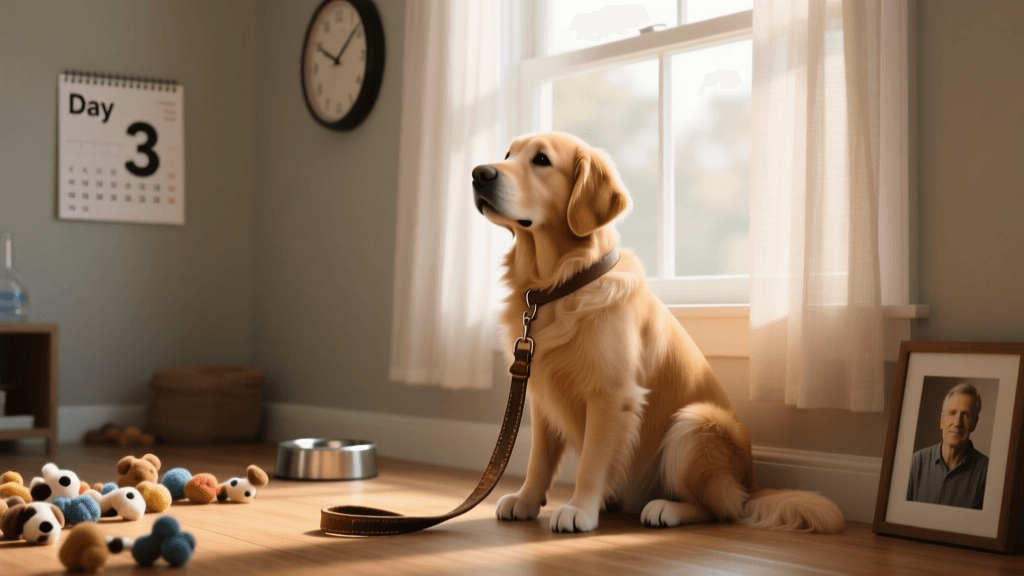
To effectively choose a calming product, we must first understand the neurological and psychological roots of canine separation anxiety. Dogs are obligate social animals, descended from pack-oriented ancestors. In a domestic setting, their human family becomes their primary pack and source of security. When a dog with hyper-attachment is left alone, they do not simply feel bored; they experience a profound panic response akin to a human panic attack. The amygdala triggers a fight-or-flight response, flooding the bloodstream with cortisol and adrenaline. This is why destructive behavior, excessive vocalization, and inappropriate elimination occur—it is a desperate, instinctual attempt to reunite with the pack or escape confinement. According to the ASPCA, separation anxiety is one of the most prevalent behavioral issues in modern dogs, requiring a multi-faceted approach that combines behavioral modification with environmental and physiological support.
How Calming Products Alter Canine Neurology
Calming products are not magic cures; rather, they are tools designed to hack the canine nervous system. By stimulating specific sensory pathways—such as deep tactile pressure, olfactory receptors, or proprioceptive nesting instincts—these products encourage the parasympathetic nervous system to engage. This 'rest and digest' state counteracts the adrenaline spike, lowering the heart rate and reducing the physical symptoms of panic. When used correctly, these products lower the dog's threshold of reactivity, making them more receptive to counter-conditioning and desensitization training.
Buyer’s Guide: Top 3 Calming Solutions Reviewed
1. Deep Pressure Therapy: ThunderShirt Classic Dog Anxiety Jacket
Deep Pressure Therapy (DPT) is a well-documented psychological intervention used in both human and veterinary medicine. The ThunderShirt applies gentle, constant pressure to the dog's torso, similar to swaddling an infant. This pressure stimulates the release of endorphins and oxytocin, naturally soothing the nervous system. The American Kennel Club frequently recommends anxiety wraps for dogs triggered by environmental stressors, including thunderstorms, travel, and isolation.
- Best For: Dogs who pace, pant, or tremble when left alone.
- Sizing & Measurements: Available in 7 sizes (XXS to 3XL). Measure your dog's chest girth at the widest part of the ribcage. A Medium fits 18-26 inch chests (25-50 lbs).
- Cost: $45 - $55 depending on size and retailer.
- Actionable Advice: Do not put the ThunderShirt on only when you are leaving the house, or the dog will associate the jacket with your departure. Put it on during calm, positive activities (like feeding or cuddling) for 30 minutes a day to build a positive psychological association.
2. Nesting Instincts: Best Friends by Sheri The Original Calming Donut
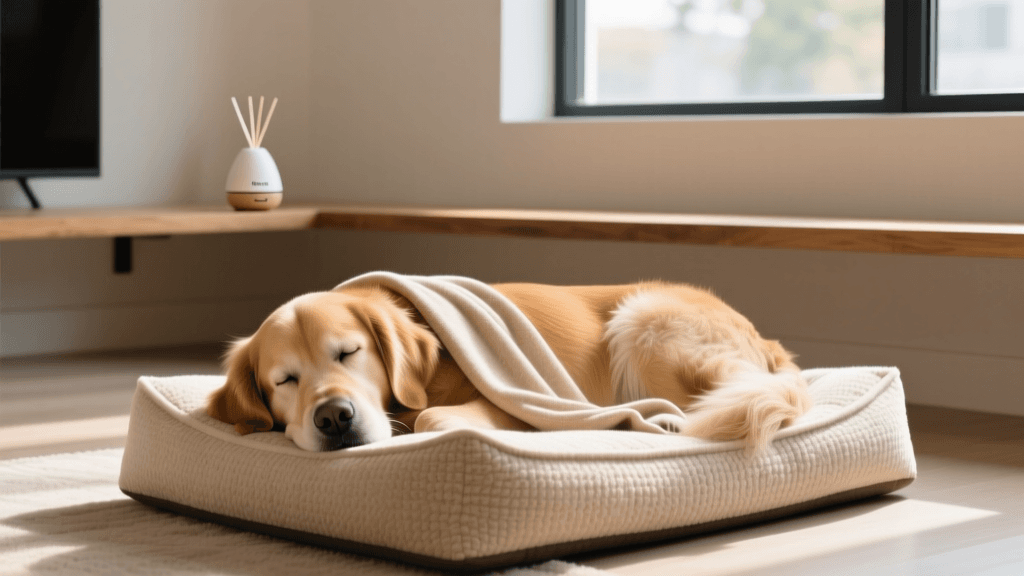
Tapping into a dog's ancestral denning and nesting instincts, the Calming Donut bed utilizes a raised rim to create a sense of physical security. Psychologically, the raised edge mimics the physical barrier of a den or the protective curve of a mother dog's body. The plush, faux-shag fur provides tactile stimulation that resembles littermates, which can significantly reduce feelings of isolation in single-dog households.
- Best For: Dogs who seek out tight spaces, burrow under blankets, or curl into tight balls when anxious.
- Sizing & Measurements: Comes in 23-inch (up to 25 lbs), 30-inch (up to 45 lbs), 36-inch (up to 70 lbs), and 45-inch (up to 100+ lbs) diameters. Always size up if your dog prefers to stretch out.
- Cost: $30 - $120 based on diameter.
- Actionable Advice: Place the bed in a low-traffic, draft-free corner of the room where your dog naturally retreats. Rub a worn t-shirt of yours over the faux fur to transfer your scent, leveraging your dog's olfactory bond with you to provide comfort in your absence.
3. Olfactory Soothing: ADAPTIL Calm Home Diffuser
Dogs experience the world primarily through their olfactory system, possessing up to 300 million olfactory receptors compared to our 6 million. ADAPTIL utilizes synthetic Dog-Appeasing Pheromones (DAP), which replicate the pheromones produced by a nursing mother dog to reassure her puppies. VCA Animal Hospitals notes that these pheromones are detected by the vomeronasal organ, sending direct signals to the brain's limbic system to induce a state of emotional security without any sedative effects.
- Best For: Generalized household anxiety, multi-dog tension, and creating a baseline of calm in the dog's primary resting area.
- Specifications: One diffuser head covers up to 700 square feet. Refills last 30 days.
- Cost: $25 for the starter kit (diffuser + 1 refill); $18 for subsequent 30-day refills.
- Actionable Advice: Plug the diffuser into the wall outlet in the room where your dog spends the most time isolated. Ensure it is not placed under furniture, near open windows, or behind curtains, as airflow is required to disperse the pheromones effectively. Plug it in 24 hours before a known stressor to allow the chemical concentration to build in the environment.
Comparison Chart: Matching the Product to Your Dog
| Product | Mechanism of Action | Best Behavioral Profile | Price Range |
|---|---|---|---|
| ThunderShirt Classic | Deep Pressure Therapy (Tactile) | Pacing, trembling, hyper-vigilance | $45 - $55 |
| Best Friends Calming Donut | Denning/Nesting (Proprioceptive) | Burrowing, seeking tight spaces, shivering | $30 - $120 |
| ADAPTIL Calm Diffuser | DAP Pheromones (Olfactory) | Generalized anxiety, vocalization, restlessness | $25 (Starter Kit) |
Integrating Products with Behavioral Modification
It is a common misconception among dog owners that purchasing a calming product will instantly cure separation anxiety. From a behavioral psychology standpoint, these products are merely threshold-lowering tools. They take the edge off the panic response, moving the dog from the 'red zone' (where learning is impossible due to cortisol overload) into the 'green zone' (where cognitive processing and associative learning can occur).
Products do not train dogs; they create the neurological environment in which training can succeed. Always pair calming aids with systematic desensitization to departure cues.
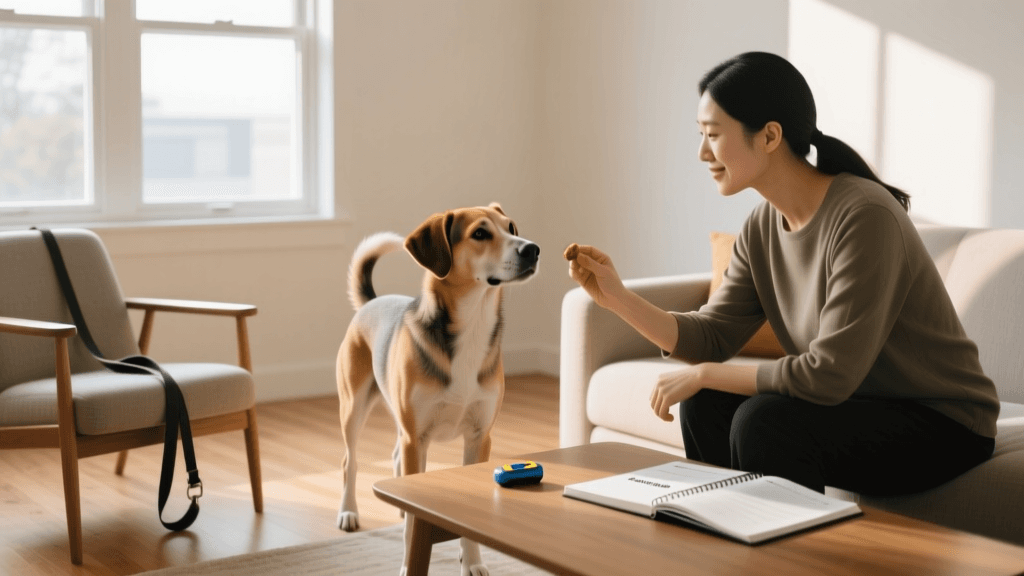
Systematic desensitization involves breaking down your departure routine into its smallest, non-triggering components. If putting on your shoes causes your dog to whine and pace, start by simply touching your shoes while the ADAPTIL diffuser is running and the dog is resting in their Calming Donut. Reward calm behavior with a lick mat or a frozen Kong toy. Progress to slipping one foot into the shoe, then both, then standing up, then walking to the door. If at any point the dog exhibits anxiety behaviors, you have moved too quickly and must return to the previous successful step. The calming products serve as the psychological scaffolding that keeps the dog's arousal levels manageable during this tedious but vital process.
Final Thoughts on Managing Canine Distress
Understanding your dog's separation anxiety requires empathy and a willingness to look at the world through their sensory and psychological lens. By combining the tactile security of a ThunderShirt, the denning comfort of a Calming Donut bed, and the olfactory reassurance of ADAPTIL pheromones, you can build a comprehensive support system for your pet. Remember that true behavioral healing takes time, patience, and a commitment to addressing the root psychological causes of your dog's distress. Consult with a certified veterinary behaviorist if your dog's anxiety results in self-injury or severe property destruction, as pharmaceutical intervention may be necessary alongside these environmental products.
priya-sutaria
All our authors care for dogs every day — read more of their work on the authors page.