Viral Doodle Breeds: What TikTok Doesn't Tell New Owners
Thinking of getting a viral Doodle breed? Discover the hidden costs, grooming realities, and temperament facts social media influencers leave out.
The "TikTok Made Me Get a Dog" Phenomenon
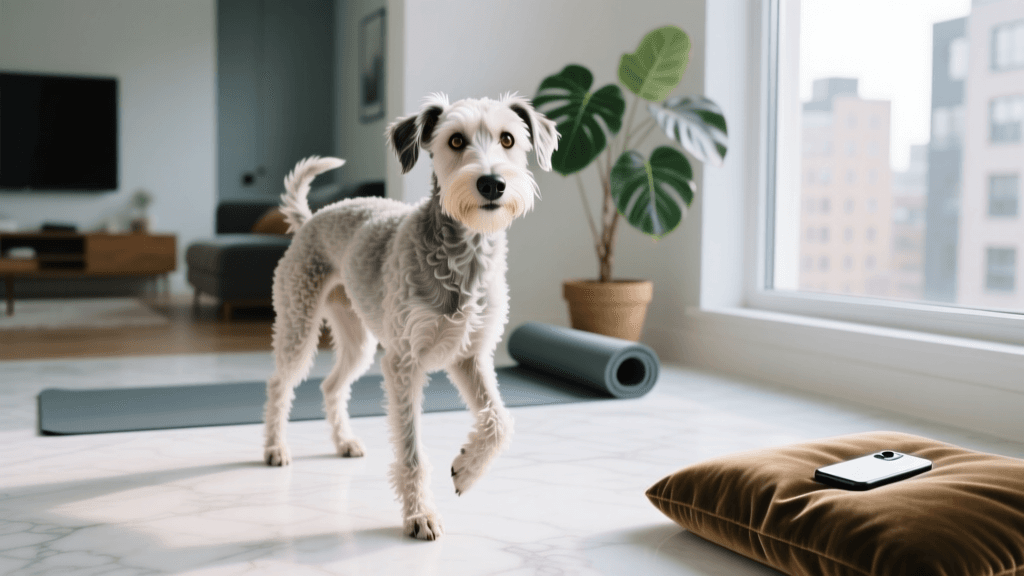
Social media platforms like TikTok and Instagram have undeniably transformed the way we discover, interact with, and ultimately choose our pets. Scroll through your feed for five minutes, and you are bound to encounter a fluffy, teddy-bear-faced dog performing adorable tricks, wearing pastel bandanas, or cuddling in aesthetically pleasing apartment settings. The hashtag #Goldendoodle alone boasts billions of views, and the broader "Doodle" craze has sparked a massive surge in demand for designer dogs. But what happens when the camera stops rolling, the ring light turns off, and you are left holding the leash?
While watching a 15-second clip of a perfectly trained Cavapoo or a Bernedoodle playing gently with a toddler makes dog ownership look effortless, the reality of raising these viral breeds is far more complex. As a prospective dog owner, it is crucial to look past the viral filter and understand the financial, physical, and emotional commitments required to care for these trending animals. In this comprehensive guide, we will break down the hidden realities of the viral Doodle craze, the true costs of ownership, and how to make an informed decision before bringing a social media star into your home.
The Reality of the Viral Doodle Craze
Designer dogs—specifically crosses between Poodles and other purebreds like Golden Retrievers, Labrador Retrievers, or Bernese Mountain Dogs—dominate current internet trends. Their appeal is obvious: they combine the intelligence of the Poodle with the friendly disposition of the secondary breed, often resulting in a dog that is highly trainable and photogenic. However, the intersection of internet fame and canine genetics has created a landscape rife with misinformation.
The "Hypoallergenic" Myth and Coat Genetics
One of the most pervasive myths propagated by social media influencers is that all Doodles are 100% hypoallergenic and non-shedding. In reality, no dog is truly hypoallergenic. Allergies are primarily triggered by dander (dead skin flakes), saliva, and urine, not just the hair itself. Furthermore, the shedding and allergy-friendliness of a Doodle depend entirely on its genetic generation.
- F1 Generation (50% Poodle, 50% Retriever): These dogs often have wavy, fleece-like coats that can still shed moderately. They are a gamble for severe allergy sufferers.
- F1B Generation (75% Poodle, 25% Retriever): Bred back to a Poodle, these dogs have curlier coats that trap dander better, making them more suitable for mild allergy sufferers.
- F2 and Multi-Gen: The genetics become highly unpredictable here, and coat types can vary wildly even within the same litter.
Before purchasing a viral breed based on allergy claims, always spend time with the specific puppy or adult dog, and consult with an allergist. Relying on a TikTok video for medical advice regarding pet allergies is a recipe for a heartbreaking surrender.
Grooming: The Hidden Financial Drain
Influencers rarely show the hours of brushing required to keep a Doodle's coat from turning into a matted, painful mess. Poodle-mix hair grows continuously, much like human hair, and requires rigorous maintenance. If you skip brushing for just a few days, mats can form close to the skin, leading to painful skin infections and the need for a "shave down" at the groomer.
To maintain a viral-worthy coat, you must invest in high-quality tools and professional services:
- Premium Slicker Brush: The Chris Christensen Big G Slicker Brush (approx. $65) or the Artero Vitality Slicker are industry standards for penetrating dense Doodle coats without scratching the skin.
- Steel Comb: A greyhound-style steel comb ($15) is mandatory to check for tangles down to the skin after brushing.
- Professional Grooming: Expect to pay between $80 and $150 every 4 to 6 weeks for a bath, haircut, and nail trim. In high-cost-of-living cities, this can exceed $200 per visit.
- Annual Grooming Budget: Realistically, you should budget $1,200 to $2,000 annually just for coat maintenance.
Data Table: Viral Breeds vs. Reality
To help you visualize the gap between social media perception and daily reality, review the comparison chart below detailing the top three trending designer breeds.
| Viral Breed | Social Media Perception | Reality: Exercise Needs | Reality: Grooming | Est. Annual Cost |
|---|---|---|---|---|
| Goldendoodle | Lazy apartment couch potato | 60-90 mins vigorous daily exercise | High maintenance; prone to matting | $2,500 - $3,500 |
| Bernedoodle | Perfect gentle giant for kids | 45-60 mins daily; sensitive to heat | Extremely thick coat; high cooling costs | $3,000 - $4,500 |
| Cavapoo | Low-energy purse dog | 30-45 mins daily; prone to separation anxiety | Frequent eye tearing; regular trims | $1,800 - $2,800 |
Energy Levels and Behavioral Realities
Behind every viral video of a dog calmly sipping a "puppuccino" at a cafe is a foundation of rigorous training and adequate physical exertion. Poodles were originally bred as water retrievers, and Golden Retrievers are gun dogs. When you cross them, you are not getting a low-energy lap dog; you are getting an athletic, highly intelligent working dog that requires a job to do.
A standard or medium Goldendoodle requires a minimum of 60 to 90 minutes of vigorous exercise daily. This means more than just a 10-minute walk around the block to sniff a fire hydrant. It requires running, hiking, fetch, or structured agility work. Without proper physical and mental stimulation, these intelligent dogs will invent their own entertainment, which often manifests as destructive chewing, excessive barking, or digging up your landscaping.
Actionable Enrichment Tips:
- Use a KONG Classic ($15) stuffed with frozen plain pumpkin and kibble to provide 30 minutes of mental stimulation while you work from home.
- Invest in a snuffle mat ($25) to encourage natural foraging behaviors and slow down fast eaters.
- Enroll in positive reinforcement obedience classes within the first month of bringing your puppy home.
The Sourcing Dilemma: Ethical Breeding vs. Shelters
The viral demand for Doodles has unfortunately given rise to a massive influx of backyard breeders and online puppy scams. When a specific type of dog trends on social media, unethical breeders capitalize on the hype by churning out puppies in poor conditions, prioritizing profit over health testing and temperament.
If you are determined to buy a designer puppy, you must do your due diligence. According to The Humane Society of the United States, a responsible breeder will always allow you to visit the premises, meet the mother dog, and provide documented health clearances (such as OFA hip and elbow scores, and genetic testing for conditions like von Willebrand's disease). They will also ask you as many questions as you ask them, ensuring their puppies are going to capable homes.
Conversely, the "pandemic puppy" boom and subsequent viral trends have led to a heartbreaking aftermath in animal shelters. Many impulse buyers realized that raising a viral breed was too expensive or time-consuming. ASPCA shelter statistics indicate that millions of dogs enter shelters annually, and breed-specific rescues (like the Doodle Rescue Collective) are frequently overwhelmed with surrendered designer dogs that were bought on impulse. Adopting an adult Doodle from a rescue allows you to bypass the grueling puppy biting phase, gives you a dog with a known temperament, and saves a life.
Preparing Your Home: Actionable Steps and Costs
Before bringing a trending breed home, your living space must be properly prepared. The American Kennel Club (AKC) emphasizes the importance of creating a safe, designated environment for a new dog to prevent anxiety and property damage.
- Crate Sizing: For a medium-to-large Doodle, purchase a 42-inch wire crate with a divider panel ($70-$90). This allows the crate to grow with your puppy, ensuring it is a safe den rather than a space where they can soil one corner and sleep in the other.
- Puppy-Proofing: Get down on your hands and knees. Block off any gaps under furniture or behind appliances that are wider than 3 inches. Use bitter apple spray on baseboards and electrical cords.
- Cleaning Supplies: Accidents will happen. Stock up on an enzymatic cleaner like Nature's Miracle Advanced Stain and Odor Eliminator ($12 per bottle). Standard household cleaners will not break down the uric acid crystals, meaning your dog will continue to mark the same spot if not treated properly.
- Veterinary Budget: Set aside $300 to $500 for the first year's initial veterinary visits, which include a wellness exam, core vaccines (DHPP, Rabies), and a spay/neuter procedure.
"Owning a dog is not just a privilege; it is a profound commitment that spans a decade or more. The internet may sell you the aesthetic of a dog, but only you can provide the patience, training, and love they actually require."
Conclusion: Looking Past the Viral Filter
There is no denying that Doodles and other designer breeds make wonderful, loving, and highly entertaining companions. Their popularity on social media is a testament to their charm and adaptability. However, a dog is a living, breathing creature, not a prop for your next viral post or a fleeting trend to be discarded when the novelty wears off.
By understanding the hidden costs of grooming, the intense exercise requirements, and the ethical complexities of sourcing your puppy, you transition from an impulsive scroller to a responsible, educated dog owner. Take your time, evaluate your lifestyle honestly, and ensure that you are ready to embrace the messy, chaotic, and deeply rewarding reality of dog ownership—long after the camera stops recording.
hannah-wickes
All our authors care for dogs every day — read more of their work on the authors page.