DIY Dog Agility Training: Build a Backyard Course on a Budget
Learn how to build a budget-friendly DIY dog agility course in your backyard. Save money while boosting your dog's obedience and fitness.
The High Cost of Canine Agility (And How to Beat It)
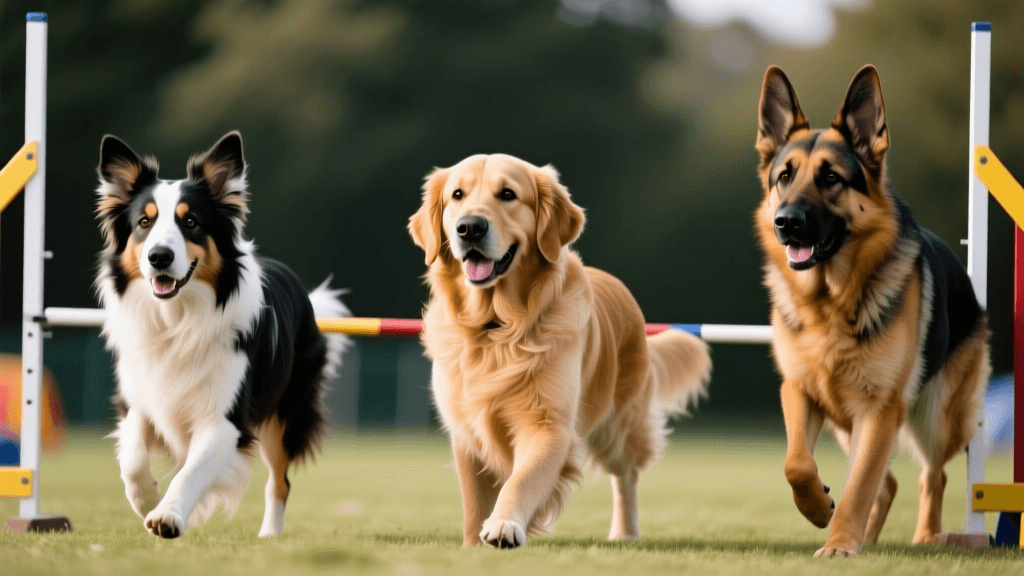
Dog agility is one of the most rewarding sports you can share with your canine companion. It builds confidence, strengthens the human-animal bond, and provides essential physical and mental stimulation. According to the American Kennel Club (AKC), agility is a fantastic way to channel a dog's natural energy into a structured, positive outlet. However, purchasing a professional-grade backyard agility course can easily cost between $600 and $1,500. For budget-conscious dog owners, this price tag can turn an exciting training goal into an unattainable dream.
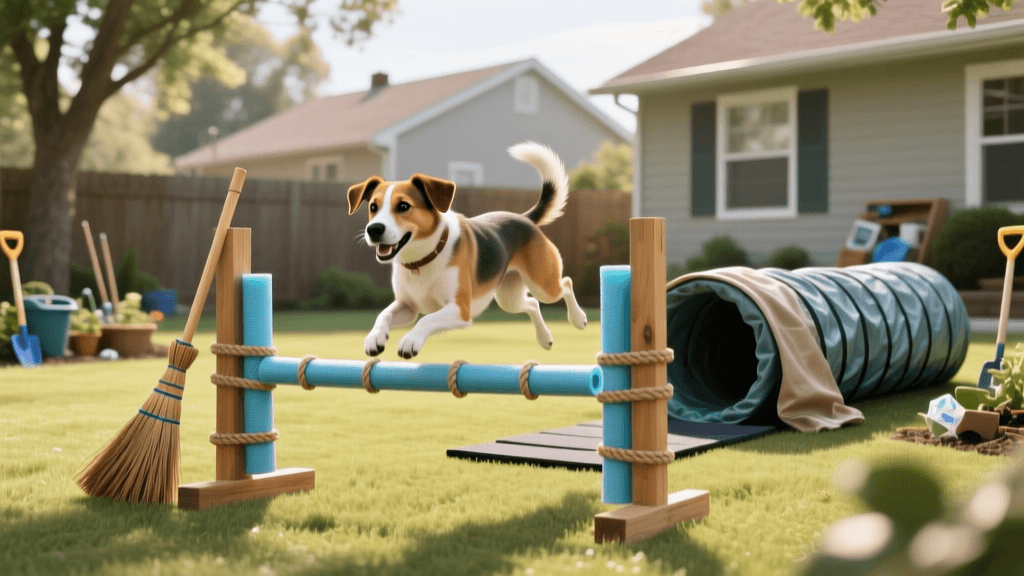
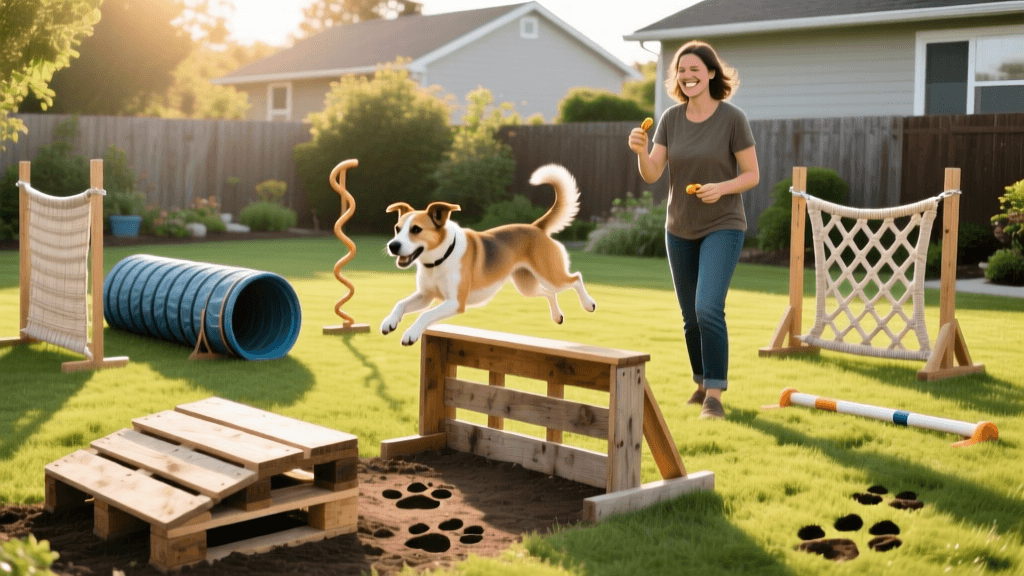
Fortunately, you do not need to spend a fortune to start agility training at home. By utilizing affordable materials from your local hardware store and employing smart, positive reinforcement training techniques, you can build a fully functional, safe, and highly effective DIY agility course for under $100. This guide will walk you through the exact materials, measurements, and training protocols needed to transform your backyard into a budget-friendly agility arena.
Commercial vs. DIY Agility Equipment: Cost Comparison
Before we dive into the construction phase, let us look at the financial breakdown. Building your own equipment requires a small investment of time, but the financial savings are staggering. Below is a comparison chart detailing the estimated costs of commercial competition-grade equipment versus our budget-friendly DIY alternatives.
| Equipment Type | Commercial Cost (Est.) | DIY Cost (Est.) | Total Savings |
|---|---|---|---|
| Standard Bar Jump | $150 - $250 | $15 - $20 | ~$200 |
| Tire Jump | $180 - $300 | $10 - $15 | ~$250 |
| Weave Poles (Set of 6) | $120 - $180 | $20 - $30 | ~$130 |
| Pause Table / Box | $100 - $150 | $0 - $5 | ~$130 |
| Total Course | $550 - $880 | $45 - $70 | $710+ |
By choosing the DIY route, you save over $700—money that can be better spent on high-quality dog food, routine veterinary care, or advanced training classes.
Essential DIY Agility Obstacles and How to Build Them
1. The PVC Standard Jump (Cost: ~$15)
The standard bar jump is the foundation of any agility course. To build a sturdy, adjustable, and safe jump, head to your local hardware store and purchase the following:
- One 10-foot length of 1/2-inch PVC pipe (approx. $4)
- Four 1/2-inch PVC T-connectors (approx. $1 each)
- Four 1/2-inch PVC end caps (approx. $0.50 each)
- One lightweight wooden dowel or a pool noodle for the jump bar ($3)
Cutting Measurements: Cut the PVC pipe into two 36-inch uprights and four 12-inch base pieces. Assemble the base by attaching the 12-inch pieces to the T-connectors to form two stable 'T' shapes. Insert the 36-inch uprights into the center of the T-connectors. Place the end caps on the bottom of the base feet to prevent dirt from entering the pipes. To hold the jump bar, you can either drill small holes through the uprights every 4 inches to rest nails on, or purchase inexpensive PVC jump cups online. Always ensure the jump bar is lightweight and will easily fall off if your dog misjudges the height, preventing injury.
2. The Hula Hoop Tire Jump (Cost: ~$10)
The tire jump is a crowd favorite and incredibly easy to replicate on a budget. You will need a standard plastic hula hoop from a dollar store or toy aisle ($1) and two short bungee cords ($4). Using the same PVC base design as the standard jump, create a tall rectangular frame. Use the bungee cords to suspend the hula hoop in the center of the frame.
Safety Warning: Never use zip-ties, wire, or rigid rope to hang the hoop. If a dog catches a paw or their collar on the hoop, the bungee cords will stretch or snap, allowing the hoop to break away safely. This breakaway feature is a mandatory safety standard in professional agility and is vital for your DIY setup.
3. The Backyard Weave Poles (Cost: ~$20)
Weave poles are notoriously expensive and difficult to train. Commercial sets feature complex bases and adjustable wires. For a budget-friendly backyard alternative, purchase a pack of 10 heavy-duty fiberglass garden stakes or landscaping stakes from a home improvement store (usually around $15 to $20 for a multi-pack). Space the stakes exactly 24 inches apart in a straight line, pushing them firmly into the grass or dirt. Because these stakes have a slight flex, they are forgiving if your dog bumps into them while learning the weaving motion.
4. The Pause Box (Cost: $0 - $5)
In competition, dogs must jump onto a raised table and hold a 'stay' command for 5 seconds. For backyard training, you do not need a raised table; a flat 'pause box' is safer and just as effective for teaching impulse control. Use landscaping spray paint ($5) to mark a 3-foot by 3-foot square on your lawn, or repurpose an old rubber welcome mat you already have lying around the house ($0).
Budget-Friendly Training Protocols
Building the equipment is only half the battle; teaching your dog to use it requires patience, consistency, and the right rewards. The Humane Society of the United States emphasizes that positive reinforcement—rewarding desired behaviors with treats, praise, or play—is the most effective and humane way to train dogs. This is especially true for agility, where confidence is key.
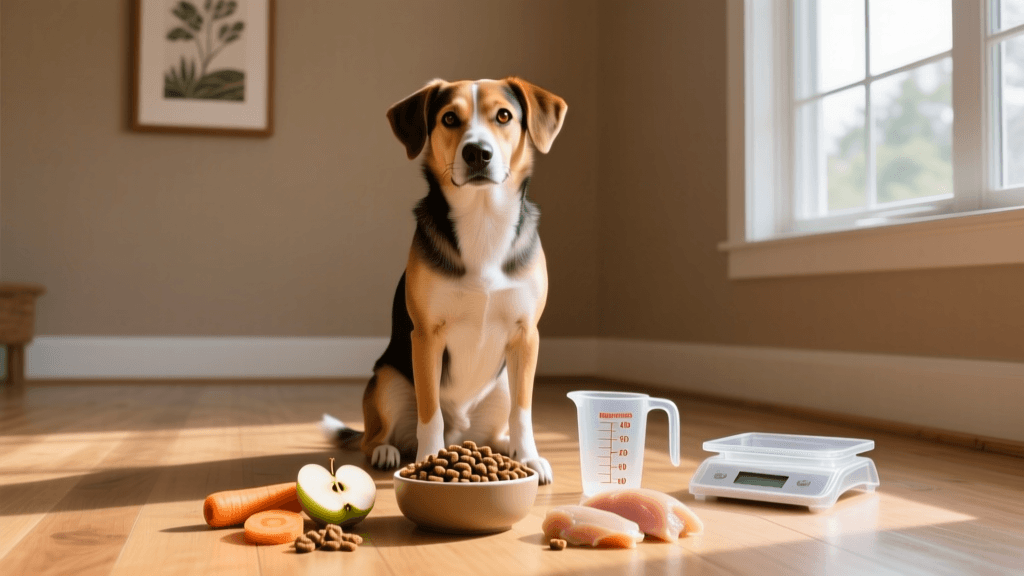
The Reward System: You will be giving out a high volume of treats during 15-minute training sessions. To avoid blowing your grocery budget or overfeeding your dog, opt for low-calorie, high-value training treats. A $6 bag of Zuke's Mini Naturals (only 3 calories per treat) or homemade boiled chicken breast diced into pea-sized pieces are excellent, budget-conscious choices. Avoid expensive, large biscuit treats that take too long to chew and break the dog's focus.
Session Timing: Keep your agility training sessions short and sweet. Aim for 10 to 15 minutes, three times a week. Dogs learn best in short bursts of intense focus. Ending the session while your dog is still eager to play ensures they will be excited for the next training day.
Shaping the Behavior: When introducing a new obstacle like the PVC jump, start with the bar resting directly on the ground. Lure your dog over the bar using a treat in your hand, saying 'Jump!' as they step over. Gradually raise the bar by only 1 or 2 inches at a time over several weeks. Never force or drag a dog over an obstacle, as this creates fear and hesitation.
Safety First: Protecting Your Dog on a Budget
While saving money on equipment is a great goal, you should never compromise on your dog's physical safety. Agility is a high-impact sport, and improper training can lead to severe orthopedic injuries. Veterinary experts at VCA Animal Hospitals warn that repetitive high-impact exercises on hard surfaces or before a dog has fully matured can cause long-term joint damage.
- Respect Growth Plates: Never force a puppy under 12 to 18 months of age to jump over raised bars or perform tight weave pole entries. Their growth plates are still open, and high-impact landings can cause permanent skeletal deformities. For puppies, keep all jump bars flat on the ground and focus purely on obstacle familiarization and flat-work obedience.
- Surface Matters: Always set up your DIY course on soft, forgiving surfaces like natural grass or dirt. Never practice agility on concrete, asphalt, or slick hardwood floors, as this can lead to torn cruciate ligaments (CCL) and severe paw pad abrasions.
- Warm-Up and Cool-Down: Treat your dog like a canine athlete. Spend 5 minutes before every session doing light jogging, stretching, and playing tug-of-war to warm up their muscles. After the session, take them for a slow, sniff-heavy walk to bring their heart rate down gradually.
Conclusion
Dog agility is a testament to the incredible bond between human and hound. By embracing a budget-friendly approach to dog care, you can construct a safe, engaging, and highly effective DIY agility course right in your own backyard. With a few PVC pipes, a hula hoop, a pocket full of low-calorie treats, and a commitment to positive reinforcement, you and your dog can experience the thrill of agility without the financial stress. Start building today, and watch your dog's confidence soar over every jump.
priya-sutaria
All our authors care for dogs every day — read more of their work on the authors page.