Border Collie vs. Malinois: Training Needs Compared
Compare the training needs, trainability, and costs of Border Collies and Belgian Malinois to choose the right working breed for your lifestyle.
The Ferraris of the Dog World: An Overview
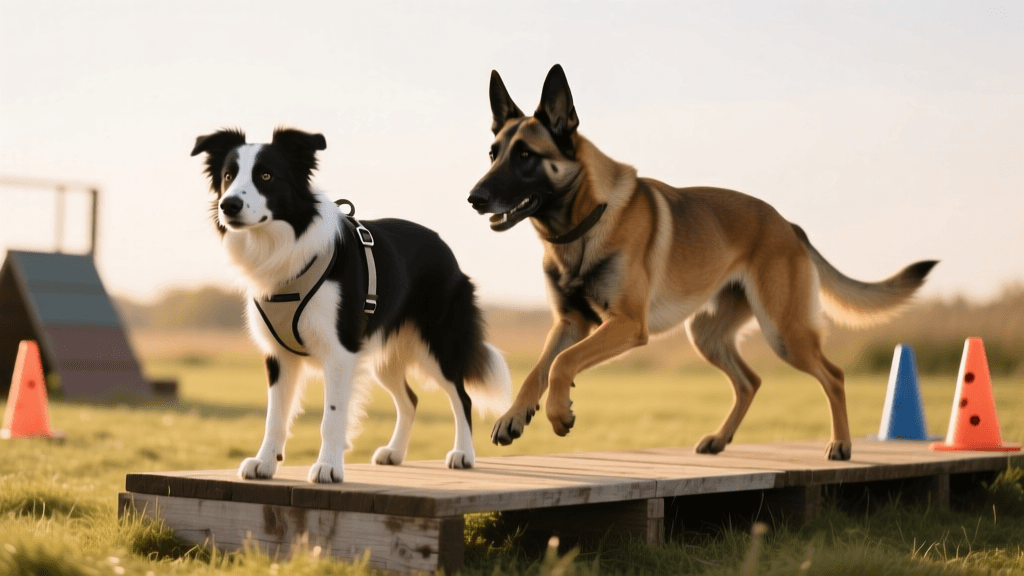
When prospective owners begin researching highly intelligent, trainable dog breeds, two names inevitably rise to the top: the Border Collie and the Belgian Malinois. According to the American Kennel Club (AKC), the Border Collie is widely considered the most intelligent dog breed in the world, prized for its uncanny ability to learn complex herding tasks. Similarly, the Belgian Malinois is the gold standard for military and police work due to its intense drive and trainability. However, trainable does not always mean easy to train. Selecting between these two powerhouse breeds requires a deep understanding of their distinct learning styles, behavioral conditioning needs, and the financial and temporal investments required.
Trainability and Learning Styles
Border Collie: The Biddable Thinker
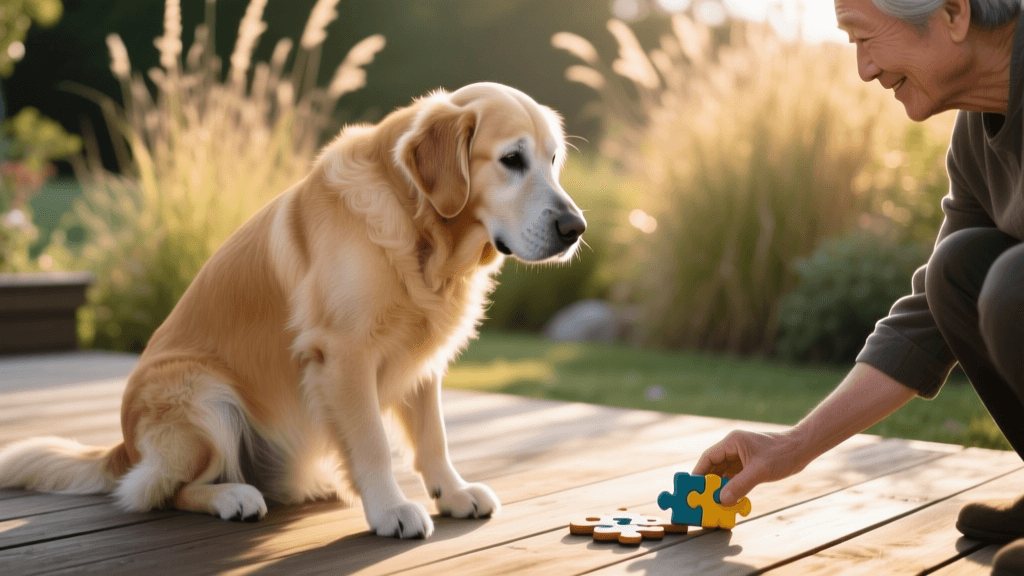
Border Collies are renowned for their 'biddability'—a term used by professional trainers to describe a dog's inherent desire to work cooperatively with a human handler. They are highly sensitive to their owner's tone of voice, body language, and even subtle shifts in mood. Because they were bred to control the movement of sheep with minimal physical contact, they excel at shaping behaviors through positive reinforcement and clicker training. A Border Collie will often figure out what you want before you even finish giving the cue. However, this extreme sensitivity means they can easily shut down or become neurotic if subjected to harsh, punitive training methods.
Belgian Malinois: The Driven Athlete
The Belgian Malinois, on the other hand, is a dog of immense physical and mental power. While they are deeply bonded to their handlers (often referred to as 'velcro dogs'), their learning style is rooted in high-arousal drive states. Malinois thrive on action, movement, and high-stakes engagement. They are less sensitive to verbal corrections than Border Collies and require a handler who is confident, consistent, and capable of setting firm boundaries. Training a Malinois often involves 'drive-building'—using toys, tugs, and bite-work to motivate the dog to perform complex obedience sequences with speed and precision.
Core Training Requirements and Time Commitment
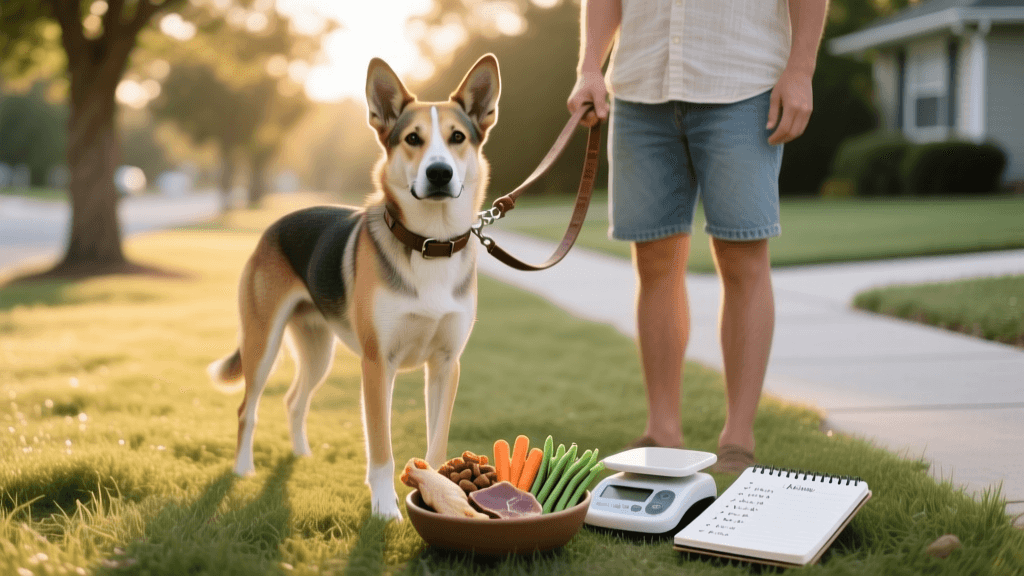
Both breeds require a massive investment of time, but the nature of that time differs. A Border Collie needs sustained mental puzzles and agility work, while a Malinois requires intense physical exertion combined with rigorous obedience drills. Below is a comparative breakdown of their daily training needs and estimated costs for dedicated owners.
| Feature | Border Collie | Belgian Malinois |
|---|---|---|
| Primary Drive | Herding / Fetch / Mental | Prey / Defense / Handler |
| Daily Physical Exercise | 90 - 120 minutes | 120 - 180 minutes |
| Daily Mental Training | 60 minutes minimum | 90 minutes minimum |
| Handler Focus | High (Eager to please) | Extreme (Velcro dog) |
| Sensitivity to Correction | High (Soft) | Low to Moderate (Hard) |
| Estimated Monthly Training Cost | $150 - $250 | $200 - $400 |
Essential Gear for High-Drive Training
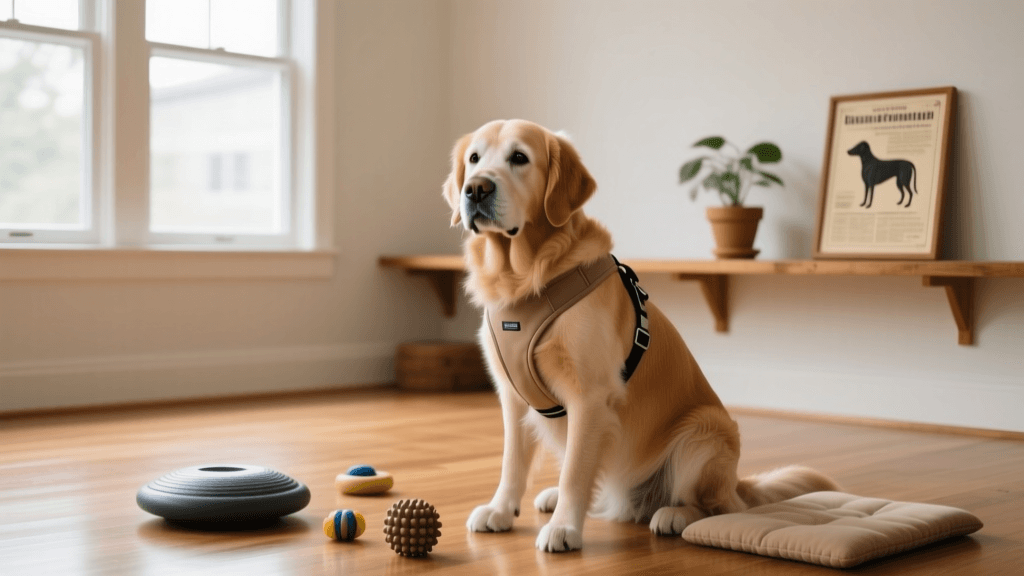
To successfully train either of these breeds, you must invest in professional-grade equipment. Cheap gear will break under the intense pulling and biting force these dogs can generate. Here is a recommended starter kit for high-drive working breeds:
- Julius-K9 IDC Powerharness (Approx. $200 - $250): Essential for safe leash walking and engagement training. Ensure you measure the dog's chest girth properly; a Medium/Large fits most adult Malinois, while a Size Mini-Mini or Mini fits most Border Collies.
- Kong Classic Extreme (Black) (Approx. $25): The standard red Kong is easily destroyed by a Malinois. The black Extreme version is necessary for stuffing with high-value treats and freezing to provide 30-45 minutes of mental enrichment.
- Outward Hound Nina Ottosson Dog Brick Puzzle (Approx. $15 - $20): Ideal for Border Collies to stimulate their problem-solving skills during meal times, slowing down their eating and engaging their foraging instincts.
- Heavy-Duty Flirt Pole (Approx. $40 - $60): Brands like Squishy Face Studio offer bungee-style flirt poles that allow you to safely satisfy the intense prey drive of a Malinois or the herding instinct of a Border Collie without damaging your shoulder joints or the dog's teeth.
Socialization and Behavioral Conditioning
Socialization for these breeds goes far beyond simply meeting new people. It is about behavioral conditioning and exposure to environmental stressors. The American Veterinary Society of Animal Behavior (AVSAB) emphasizes that proper puppy socialization should begin before the puppy is fully vaccinated, focusing on positive experiences with novel surfaces, sounds, and environments.
Managing Breed-Specific Instincts
For the Border Collie, early conditioning must focus on managing the herding instinct. Without proper outlets, a Border Collie will attempt to 'herd' moving cars, bicycles, and running children, which can lead to dangerous nipping behaviors. Training must involve teaching a solid 'leave it' command and redirecting their focus to a ball or frisbee when triggers appear.
For the Belgian Malinois, socialization must address their natural suspicion and defense drive. A poorly socialized Malinois can become reactive or aggressive toward strangers and other dogs. You must systematically expose them to crowds, loud noises, and unfamiliar dogs, rewarding calm, neutral behavior with high-value rewards like real meat or a game of tug.
Obedience and Trick Training Milestones
When mapping out a training curriculum, expect different timelines for each breed. Border Collies can often master basic obedience (sit, down, stay, recall) by 12 weeks of age, and can begin learning complex trick sequences and agility foundations by 6 months. Their ability to retain a vast vocabulary of cues is staggering; some Border Collies can learn over 1,000 distinct nouns.
The Malinois also learns quickly, but their impulse control takes much longer to mature. While a Malinois puppy may know the mechanics of a 'stay' command at 12 weeks, maintaining that stay amidst high-level distractions (like a decoy in a bite suit or a running squirrel) requires months of proofing. Advanced obedience, such as off-leash heeling and distance control, is typically not reliable until the dog reaches 18 to 24 months of mental maturity.
Common Training Pitfalls to Avoid
One of the most common mistakes owners make with Border Collies is over-exercising them physically while neglecting mental fatigue. A Border Collie that runs five miles a day will simply build the endurance to run ten miles the next day. Mental fatigue via scent work or trick training is far more effective at tiring them out.
Conversely, a major pitfall with the Belgian Malinois is suppressing their drive. Some owners try to train the 'mal' out of the Malinois by keeping them in a crate or using aversive collars to stop them from engaging with the world. This leads to frustration, barrier reactivity, and behavioral fallout. Instead, you must channel their drive into structured games with strict rules, such as impulse control tug-of-war.
Which Breed is Right for Your Training Goals?
If your goal is to participate in dog sports like agility, disc dog, or advanced trick training, and you prefer a sensitive, highly cooperative partner, the Border Collie is an exceptional choice. They are generally more forgiving of novice handler mistakes and thrive in a positive, game-based training environment.
If you are an experienced handler interested in protection sports (like IGP or French Ring), scent detection, or rigorous tactical obedience, the Belgian Malinois is unparalleled. They require a handler who views training not as a chore, but as a daily lifestyle commitment. Ultimately, selecting the right breed is about matching the dog's innate drives with your personal training capabilities, lifestyle, and long-term goals.
priya-sutaria
All our authors care for dogs every day — read more of their work on the authors page.