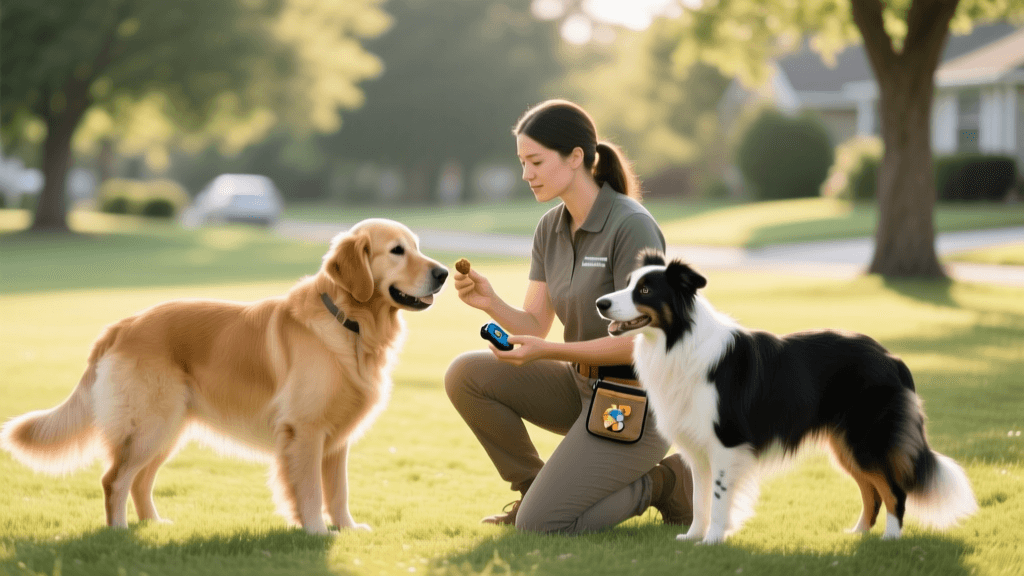
Training Dogs With Food Allergies: Safe Treats & Tips
Discover how to maintain effective reward-based training for dogs with food allergies. Learn safe treat options, dietary tips, and nutrition strategies.

The Intersection of Canine Nutrition and Obedience Training
Positive reinforcement is the cornerstone of modern dog training. Whether you are teaching basic obedience, advanced agility, or behavioral modification for reactivity, high-value rewards are essential. However, for dog owners managing pets with food allergies, sensitive stomachs, or inflammatory bowel disease (IBD), the training treat bowl can become a source of anxiety. Every new ingredient introduced during a training session carries the risk of triggering a flare-up, leading to itchy skin, gastrointestinal distress, and a complete loss of focus. This deep dive explores the critical intersection of canine health, nutrition, and behavioral conditioning, providing actionable strategies to keep your dog motivated, healthy, and ready to learn.
Understanding Canine Food Allergies vs. Intolerances
Before adjusting your training protocol, it is vital to understand the physiological reality of canine adverse food reactions. According to the U.S. Food and Drug Administration (FDA), true food allergies in dogs are relatively uncommon compared to environmental allergies (atopic dermatitis). A true food allergy involves an immune system response to a specific protein, such as beef, dairy, chicken, or wheat. Symptoms often manifest as chronic ear infections, paw licking, and facial redness. In contrast, food intolerances do not involve the immune system but rather a digestive inability to process an ingredient, leading to diarrhea, vomiting, or excessive gas. For a dog in a training environment, both conditions are equally detrimental. A dog experiencing pruritus (itching) or gastrointestinal cramping cannot focus on a 'stay' command or a complex trick. The brain is entirely consumed by physical discomfort, rendering classical and operant conditioning nearly impossible.
The 10% Rule: Balancing Rewards with Daily Nutrition
When managing an allergic dog, owners often resort to single-ingredient treats or homemade options. However, this can lead to severe caloric imbalances. The World Small Animal Veterinary Association (WSAVA) Global Nutrition Committee emphasizes the '10% Rule,' which dictates that treats and training rewards should never constitute more than 10% of a dog's total daily caloric intake. The remaining 90% must come from a complete and balanced diet to prevent severe micronutrient deficiencies. Let us break down the math for a typical 30-pound (13.6 kg) active dog undergoing daily training. The Resting Energy Requirement (RER) is calculated as 70 x (body weight in kg)^0.75. For a 13.6 kg dog, the RER is approximately 490 calories. Multiplied by an activity factor of 1.6 for an active, training dog, the daily caloric need is roughly 784 calories. Therefore, the absolute maximum caloric allowance for training treats is 78 calories per day. If you are using standard commercial training treats that average 3 to 5 calories each, you have a budget of about 15 to 26 treats per day. In high-repetition obedience sessions, this budget can be exhausted in ten minutes.
Strategies for Caloric Management and Treat Sizing
How do you conduct a 30-minute shaping session with only 20 treats? The answer lies in treat size manipulation and the strategic use of the dog's daily kibble ration. First, abandon the idea that a treat must be a 'cookie.' In canine behavioral science, the value of the reward is determined by its taste and smell, not its volume. A piece of hypoallergenic treat the size of a green pea is neurologically sufficient to trigger a dopamine release and reinforce a behavior. Second, measure out your dog's daily allocation of their prescribed hypoallergenic kibble (such as a hydrolyzed protein diet) and use a portion of it as your low-value training rewards. Reserve the high-value, novel-protein treats exclusively for breakthrough moments, high-distraction environments, or counter-conditioning protocols.
Comparison Chart: Hypoallergenic and Limited-Ingredient Training Treats
When selecting commercial treats for an allergic dog, always look for Limited Ingredient Diets (LID) or single-source novel proteins. Below is a comparison of top-tier options suitable for sensitive dogs.
| Brand & Product | Primary Protein | Calories per Treat | Approx. Cost (USD) | Best Training Use |
|---|---|---|---|---|
| Vital Essentials Freeze-Dried Minis | Rabbit / Turkey | 1.5 kcal | $12.00 / 3.5oz | High-value shaping, agility |
| Zuke's Z-Bites (Limited Recipe) | Salmon / Duck | 3.0 kcal | $8.00 / 6oz | Quick repetition, basic obedience |
| Stella & Chewy's Meal Mixers | Venison / Kangaroo | 2.5 kcal | $15.00 / 8oz | Scent work, high distraction |
| Prescription Hydrolyzed Kibble | Hydrolyzed Soy/Chicken | 3.5 kcal | $90.00 / 25lb | Low-value, high-volume luring |
The Power of Novel Proteins in Behavioral Conditioning
For dogs with confirmed allergies to common proteins like chicken, beef, or lamb, utilizing novel proteins is a game-changer for high-value training. A novel protein is a meat source that the dog has never been exposed to, meaning their immune system has not yet developed IgE antibodies against it. Examples include kangaroo, alligator, rabbit, and venison. In behavioral modification, particularly when dealing with leash reactivity or fear-based aggression, the reward must be potent enough to override the dog's amygdala-driven fight-or-flight response. A piece of freeze-dried kangaroo liver carries a strong olfactory profile that can effectively redirect a reactive dog's attention back to the handler. However, novel proteins are expensive and rich. They should be reserved strictly for the 'jackpot' moments in training—such as a successful recall away from a squirrel or a calm threshold crossing.
Navigating the Strict Elimination Diet Trial
If your veterinarian suspects a food allergy, they will likely prescribe a strict 8-to-12-week elimination diet trial using a hydrolyzed protein prescription diet (e.g., Royal Canin Hydrolyzed Protein or Hill's Prescription Diet z/d). Hydrolysis breaks the protein chains down into sizes so small that the immune system cannot recognize them as threats. During this trial, absolutely no outside treats, flavored medications, or table scraps can be introduced, or the trial is invalidated. This poses a massive hurdle for dog trainers. The solution is to use the prescription kibble itself as the primary reward. To increase the palatability and 'value' of the kibble for training, you can soak it in warm water or low-sodium, onion-free bone broth (verify with your vet first) to create a soft, highly aromatic paste. This paste can be squeezed from a reusable food tube, allowing for rapid-fire reward delivery during clicker training sessions without the handler having to fumble with dry kibble.
Fading the Lure and Variable Reinforcement Schedules
Because allergic dogs have a strict daily caloric ceiling, you cannot rely on continuous reinforcement (rewarding every single rep) for the entirety of the dog's life. Once a behavior like 'down' or 'heel' is fluently understood, you must transition to a variable ratio reinforcement schedule. This is the same psychological mechanism that makes slot machines addictive to humans. By rewarding only the fastest or most precise responses, and skipping the rewards for mediocre attempts, you actually maintain a higher level of motivation while drastically cutting down on treat consumption. Pair this with 'fading the lure'—removing the food from your hand and using only an empty hand signal, followed by a reward from a hidden treat pouch. This prevents the dog from becoming reliant on the visual presence of food to comply with a command, preserving both their waistline and their gastrointestinal health.
Beyond the Food Bowl: The Premack Principle and Life Rewards
When health constraints severely limit caloric intake, trainers must pivot to non-food reinforcers. The Premack Principle, a foundational concept in behavioral psychology, states that a more probable behavior can be used to reinforce a less probable behavior. In dog training, this translates to using 'life rewards.' For an allergic dog on a strict caloric budget, a successful 'sit-stay' can be rewarded not with a treat, but with the opportunity to sniff a fire hydrant, chase a tennis ball, or receive a vigorous chest scratch. Toys, particularly tug ropes and flirt poles, create massive spikes in canine arousal and dopamine, making them exceptional rewards for agility and obedience dogs. By mapping out what your dog naturally loves to do, you can build a robust reinforcement hierarchy that bypasses the digestive tract entirely.
Conclusion: Health-First Training Methodologies
Training a dog with food allergies requires a paradigm shift from volume-based rewarding to precision-based conditioning. By understanding the physiological limits of your dog's digestive and immune systems, adhering to the WSAVA 10% caloric rule, and strategically deploying novel proteins and life rewards, you can achieve elite obedience results without compromising your dog's health. Remember that a comfortable, pain-free dog is a receptive learner. Always consult with a board-certified veterinary nutritionist or your primary veterinarian before introducing new proteins into an allergic dog's regimen, ensuring that your training journey remains as healthy as it is successful.
beth-carrasco
All our authors care for dogs every day — read more of their work on the authors page.